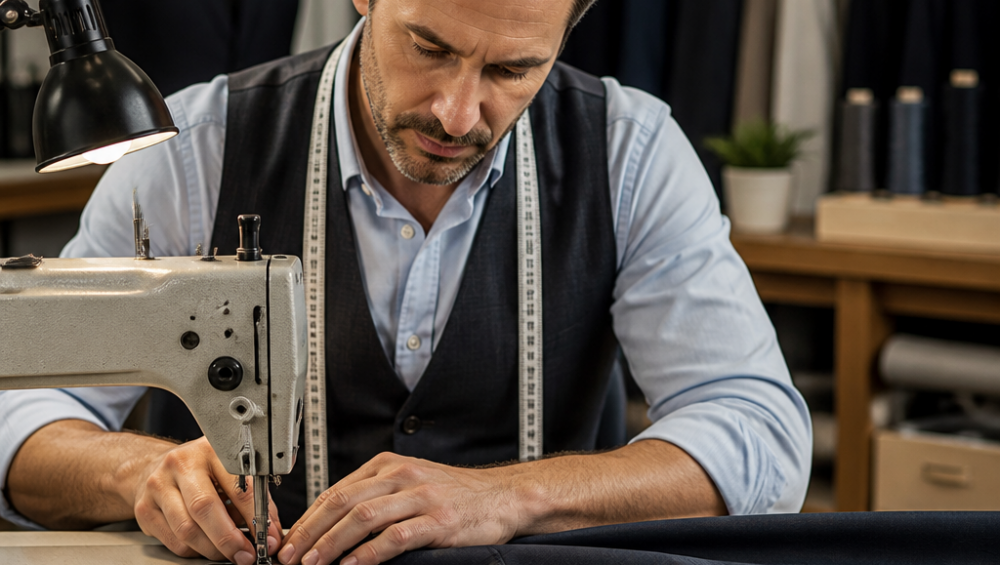
Your work pants are dragging on the floor, or they break at an awkward spot above your shoes. You fold them up, iron them down, or reach for a roll of hemming tape. You tell yourself it will do for now. But “for now” has a way of becoming permanent, and a DIY hem on work pants is one of those small decisions that quietly costs you more than you expect. A professional pant hem is not a luxury reserved for suits and formalwear. It is the baseline for any pair of pants you wear to do your job.
Table of Contents
- Quick Takeaways
- What a Professional Pant Hem Actually Does
- The Real Cost of DIY Hemming
- Trouser Break Types and Why They Matter at Work
- Comparison: DIY Tape vs. Machine Sewing vs. Professional Alteration
- Fabric Matters More Than Most People Think
- When to Bring Your Work Pants In for a Hem
- Frequently Asked Questions
- References
Quick Takeaways
| Key Insight | Explanation |
|---|---|
| Hemming tape fails after repeated washing | Adhesive-based hems typically degrade within 10 to 20 wash cycles, leaving you with a fallen, uneven hem at the worst possible moment. |
| Trouser break affects your professional image directly | The wrong break length, whether too long or too short, signals that clothing was not properly fitted. A professional alteration sets the right break for your body and your role. |
| Fabric type changes the entire hemming approach | Wool, polyester blends, and stretch fabrics each require different needle types, stitch tensions, and pressing temperatures. DIY equipment rarely handles this variation well. |
| Same-day and rush services remove the “I need them tonight” excuse | Professional alteration services with walk-in rush options mean you do not have to resort to a tape fix under deadline pressure. |
| Work pants are a recurring investment worth protecting | A well-hemmed pair of quality work trousers lasts significantly longer because the hem takes the abrasion, not the fabric above it. |
| A professional hem preserves the original construction | Skilled alterations staff maintain the original seam mitre, lining tack, and crease line, details that a home hem invariably disrupts. |
| Upfront pricing makes it easy to budget | Services with transparent, published pricing (like hems starting from $14.89 at Stitch It) remove the guesswork and make professional hemming an obvious, routine choice. |
What a Professional Pant Hem Actually Does
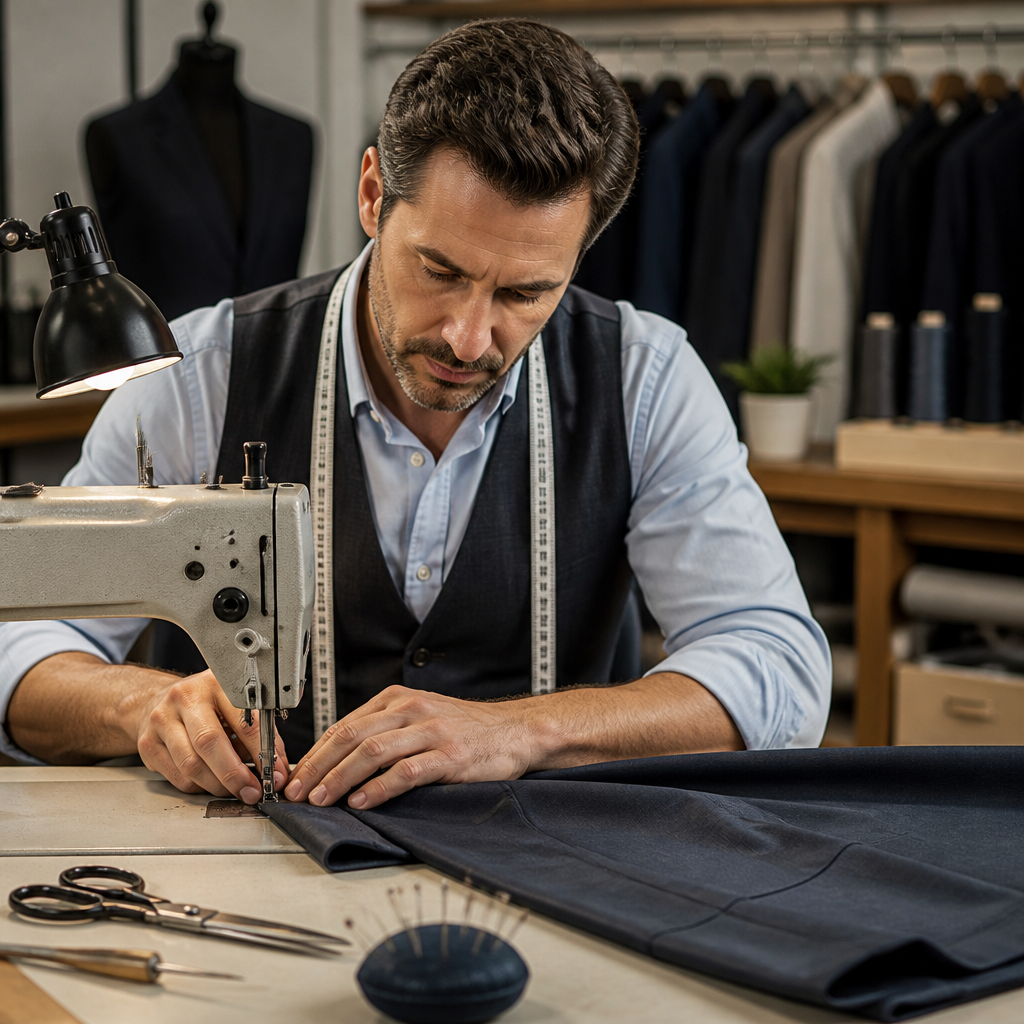
A professional hem is not just a fold and a stitch. When an experienced alterations specialist hems a pair of work trousers, they assess the fabric weight, the existing construction, the seam allowance, and the way the trouser hangs on your specific body. That assessment takes about thirty seconds for someone who does this every day. It takes a first-timer considerably longer, and they still miss most of what they are looking at.
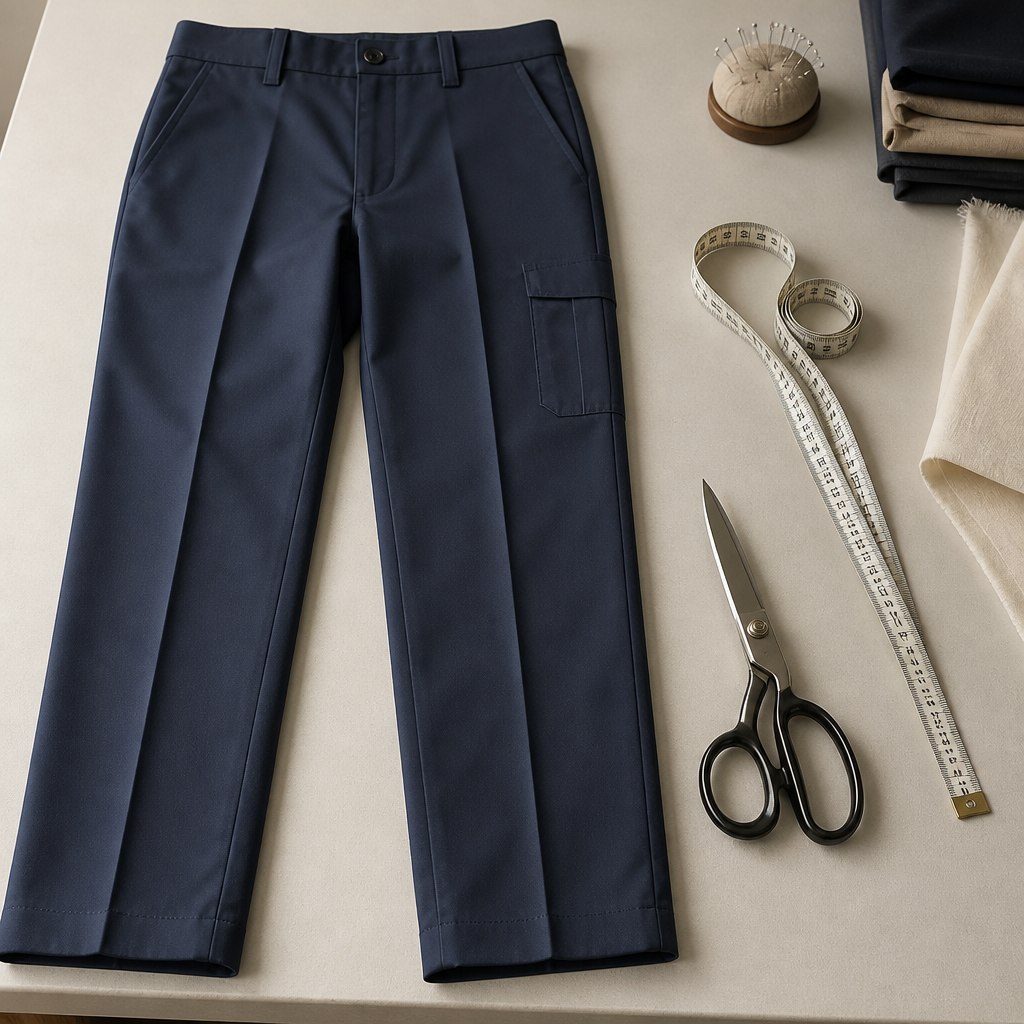
The finished result of a proper professional hem includes a mitered seam at each leg opening so the hem lies flat without bulging at the sides, a blind stitch that is invisible from the outside, and a pressed crease that aligns with the original factory crease. None of those things happen automatically when you fold fabric up and run it through a basic sewing machine at home.
There is also a practical durability point that rarely gets discussed. The hem itself is a sacrificial layer, taking the scuff, friction, and wear that would otherwise eat into the trouser leg above it. When a hem is done correctly, it wears out gradually and can be re-hemmed. When it is done badly, it frays, peels, or unravels, and the damage works its way up into fabric you cannot replace.
Pro tip: Always wear the shoes you plan to pair with your work pants when you go in for a hem. The heel height changes your effective trouser length by as much as an inch, and an alteration done without the shoes is an alteration that may need to be redone.
The Real Cost of DIY Hemming
Let us be specific about what goes wrong with DIY hemming, because it is not just about aesthetics. The failures are predictable, they are common, and they tend to happen at inconvenient times.
Hemming Tape Durability Problems
Hemming tape is sold as a quick fix, and that description is accurate in a way its proponents did not intend. It is quick, and it is a fix. Even “permanent” hemming tape adhesive weakens with repeated washing and wearing. Industry experience points to significant adhesive degradation within roughly 10 to 20 wash cycles, meaning a pair of work pants you wear twice a week can start showing hem failure within a few months. High-heat drying accelerates that timeline considerably, and dry cleaning chemicals can dissolve the bond entirely.
The stiffness is a separate issue. Tape creates a hem that feels and moves differently from a sewn one. On dress trousers or uniform pants in lighter fabrics, that stiffness is often visible as a slight ridge along the hem edge, particularly when the trouser moves.
Machine Sewing at Home Goes Wrong Predictably
Puckering is the most common problem when hemming pants on a home sewing machine. The curved shape of a trouser leg opening means excess fabric accumulates as you stitch around the circumference, and without the technique of easing that fabric in correctly, you end up with a gathered or bunched hem. Fixing a puckered hem often means starting over, which means more stress on the fabric and a shorter seam allowance to work with the second time.
Thread tension is another variable most home machines are not calibrated to handle correctly for heavy trouser fabric. Too tight and the hem pulls. Too loose and the stitches loop visibly on the underside.
The difference between a professional finish and a visible mistake at the hem almost always comes down to technique, not tools. Matching your hemming method to your fabric type and construction is the part that experience cannot be replaced.
The Time Calculation Nobody Runs
People who hem their own pants at home rarely account for time honestly. Measuring, pinning, pressing, stitching, pressing again, checking, and correcting takes a genuine time investment on a first or occasional attempt. For a pair of pants you need for work tomorrow, that is time spent under pressure on a task you will stress about. Dropping trousers off at a professional alteration shop and picking them up ready to wear is a categorically different experience.
Trouser Break Types and Why They Matter at Work
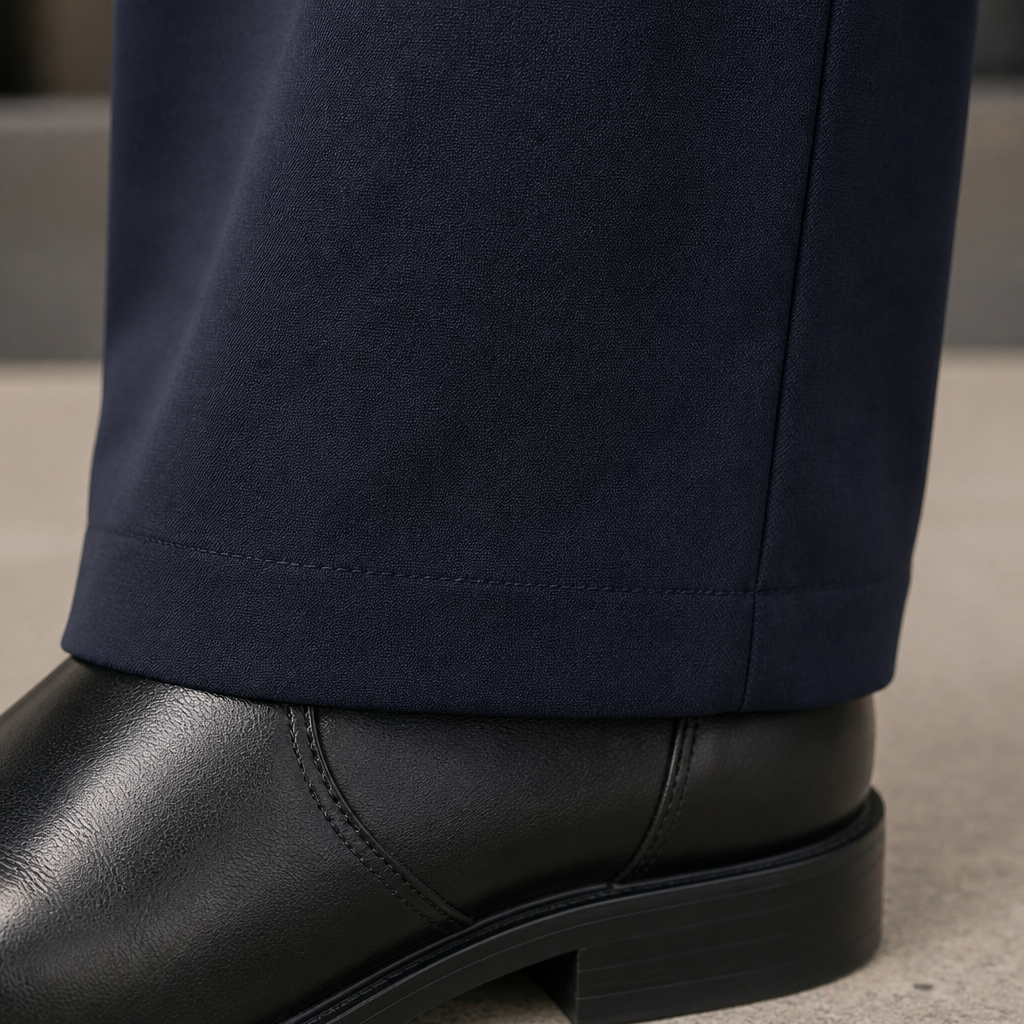
The break is the point where the front of your trouser leg contacts the top of your shoe and creates a fold in the fabric. Getting this right is the single most important aesthetic decision in hemming work pants, and it varies by role, dress code, and personal fit.
No Break
A no-break hem hangs so the trouser bottom just skims the top of the shoe without any fabric folding. The hem sits straight and clean. This look reads as modern and precise, and it works well for slim-cut trousers and contemporary professional environments. It is unforgiving of slight length variations, which is exactly why it needs to be set by someone who knows what they are doing.
Half Break (Medium Break)
A half break creates a slight dent at the front of the trouser where it meets the shoe, roughly a quarter to half inch of contact. This is the most broadly appropriate choice for work environments, whether your office runs formal or business casual. It suits most trouser cuts and shoe styles and reads as properly fitted without being fashion-forward. For most people getting work pants hemmed, this is the right answer.
Full Break
A full break allows noticeable fabric bunching and folding at the ankle. This is a traditional, conservative look that suits fuller-cut trousers and certain formal contexts. It is not the best choice for most contemporary workwear, and when it is not intentional, it simply reads as pants that are too long.
Pro tip: If you are unsure which break to ask for, tell the alterations specialist what kind of work you do and what footwear you typically wear. A good alterations professional will look at how the trouser is cut and recommend accordingly, not just hem to a generic length.
Comparison: DIY Tape vs. Machine Sewing vs. Professional Alteration
| Approach | Durability and Finish Quality | Best Suited For |
|---|---|---|
| DIY Hemming Tape | Low. Adhesive weakens with washing, creates stiffness, and leaves visible ridge on fine fabrics. Dry cleaning incompatible with most tape products. | Absolute emergencies on casual, inexpensive pants you do not intend to dry clean. Not suitable for work pants you wear regularly. |
| DIY Machine Sewing | Variable. Results depend heavily on operator skill and machine quality. Puckering, uneven tension, and unaligned seams are common without significant experience. | Simple straight-cut casual trousers in forgiving fabrics, for someone with genuine sewing experience. Still not recommended for dress trousers or uniform pants. |
| Professional Pant Hem (Alterations Service) | High. Properly mitred seams, blind stitching, fabric-matched thread, correct pressing for the specific fabric. Maintains original construction details. | Any work pants, dress trousers, uniform trousers, or formal pants where fit and durability matter. The right choice for anything you wear professionally. |
Fabric Matters More Than Most People Think
Work pants come in a much wider range of fabrics than most people consider when they decide to hem them at home. Lightweight wool suiting, polyester-wool blends, stretch fabrics with Lycra or spandex content, heavier cotton twills, and synthetic uniform fabrics all behave differently under a needle and iron.
Wool requires a specific pressing cloth and pressing temperature. Too much direct heat creates a shine on the fabric surface that is permanent and highly visible on dark trousers. Many home irons do not have the fine temperature control needed to press wool properly, and the damage only becomes visible after it is done.
Stretch fabrics present a different problem. A standard stitch on a stretch trouser leg will pop when the fabric moves, because the stitch has no give. Hemming stretch work pants correctly requires either a stretch stitch setting or a serger, neither of which most home setups include.
Uniform fabrics, particularly those used in healthcare, hospitality, and trades, often have specific construction requirements set by the employer. A professional alterations service with experience in uniform work knows how to maintain those specifications, including keeping reinforced edges intact and matching thread colour precisely.
At Stitch It, the alterations team works across all of these fabric categories regularly, including uniform alterations for clients who need consistent, specification-compliant results across multiple garments. That breadth of experience with fabric-specific technique is exactly what a tape roll and a home machine cannot replicate.
When to Bring Your Work Pants In for a Hem
The most common reason people put off a professional hem is timing. The pants are needed soon, the alteration feels like an errand, or the assumption is that the process takes days. None of those objections hold up against what professional alteration services actually offer.
New Pants Always Need to Be Checked
Off-the-rack work pants are cut to a generic inseam length that fits a statistical average, not you. Even pants that feel approximately right when you try them on in a store will look different when you are wearing your actual work shoes on your actual feet at your actual posture. Every new pair of work trousers should be assessed for hem length before the first wear. Going in for a hem before the first wear also means the trouser has not been washed yet, which removes any shrinkage variable from the equation.
When the Hem Shows Signs of Wear
Fraying at the hem edge, a hem that has started to unravel at one seam, or a hem that has dropped on one side and not the other are all signs that the hem needs professional attention. Catching this early means a clean re-hem. Waiting until the fabric above the hem starts to fray means you have lost the seam allowance you need and the trouser may not be salvageable.
Rush and Same-Day Situations
A last-minute work event, a new uniform requirement starting Monday, or a pair of replacement trousers that arrived late are all situations where the hemming tape temptation is strongest. Walk-in alteration services with same-day and rush options exist specifically for these situations, and the result is always better than an emergency tape fix. Stitch It offers same-day and rush services for walk-ins, which removes the “I need them tonight” justification for doing it yourself.
Pro tip: Bring two or three pairs of work pants in at once rather than one at a time. The cost per item stays the same, the quality is consistent across your wardrobe, and you handle the errand in a single visit rather than several.
Frequently Asked Questions
How much does a professional pant hem cost?
Professional pant hemming is one of the most affordable alteration services available. At Stitch It, hems start from $14.89. Industry ranges for basic trouser hems typically run from around $15 to $45 depending on fabric, construction, and whether a cuff needs to be maintained. Given the durability and quality difference over a DIY fix, it is a straightforward return on investment for pants you wear regularly.
How long does a work pants alteration take at a professional shop?
Standard pant hemming typically turns around within a day or two at most alteration services. Same-day and rush services are available at locations like Stitch It for walk-in customers who need the work done faster. The timeline is almost always shorter than people assume, which removes one of the main reasons people attempt DIY fixes.
Can any pair of work pants be hemmed professionally?
Almost any pair of trousers can be hemmed professionally, including those with cuffs, those in stretch fabrics, uniform pants with specific construction requirements, and lined dress trousers. The key variables are the seam allowance available in the current hem and the fabric type. A professional alterations specialist can assess whether a garment has enough seam allowance to work with before any cutting happens.
Is it worth hemming inexpensive work pants professionally?
Yes. The cost of a professional hem is a flat service fee that does not scale with the garment’s price. If you wear the pants regularly, a properly hemmed pair at any price point will last longer and look better than the same pants with a failed adhesive hem. The calculation changes only if the pants cost less than the alteration itself, at which point replacement makes more sense than repair.
What is the right trouser break for a professional workplace?
For most professional environments, a half break (also called a medium break) is the most appropriate and versatile choice. It works across dress codes from business formal to business casual, suits most trouser cuts, and reads as intentionally fitted rather than fashion-forward. If you are unsure, tell your alterations specialist about your role and footwear and ask for their recommendation based on how your specific trouser is cut.
Can I get my pants hemmed and dry cleaned in the same visit?
Yes, at full-service alteration and dry cleaning providers like Stitch It, you can drop off pants for both hemming and dry cleaning in a single visit. This is worth doing when you pick up new work trousers, since you can have them hemmed and cleaned before they go into your regular rotation, rather than handling these as two separate errands.
We would love to hear from you. Have you had a professional hem change the way a pair of work pants fit and look, or do you have a question about getting your trousers altered? Leave a comment and let us know your experience.
References
- Hemming tape vs. sewing: a detailed guide to pant hemming methods, durability, and common mistakes
- DIY alterations vs. professional tailor: pros, cons, and the alteration risk matrix
- Guide to suit pant lengths and the five types of trouser break
- 2026 alteration pricing guide: average costs for common clothing alterations including pant hems