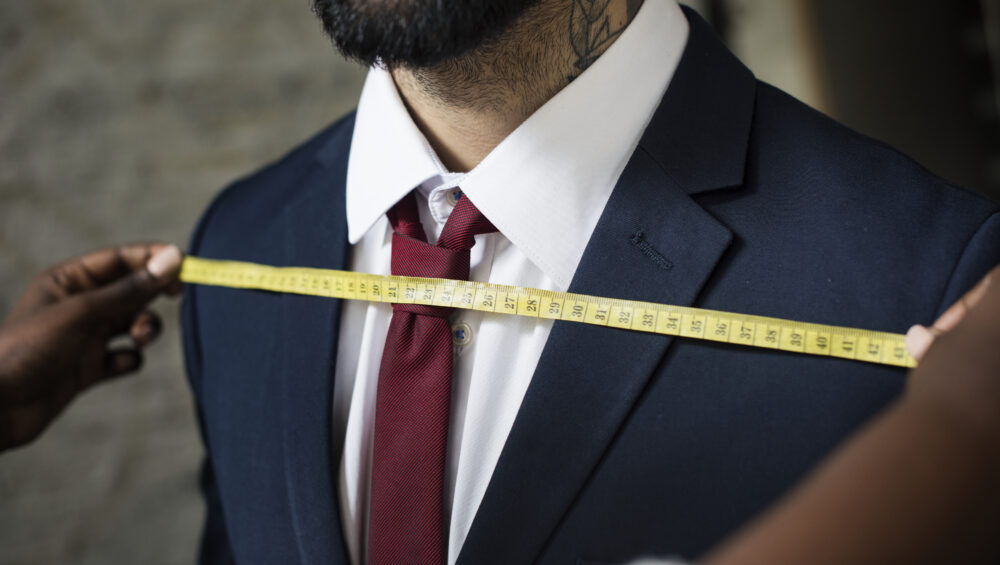
You slip on a suit jacket, button the middle button, and the fabric pulls across your chest like it wants to escape. Most people assume the jacket is simply the wrong size and the purchase is wasted. In practice, a tight suit jacket chest alteration is often possible, but only if the problem sits in the right place and the garment has enough hidden fabric to work with. This guide explains what a tailor can take in, what can be let out, and the signs that a jacket should go back on the rack.
Table of Contents
- Quick Takeaways
- Why a Suit Jacket Pulls Across the Chest
- What a Tailor Can Take In in the Chest
- Letting Out a Suit Jacket: What Limits It
- When a Chest Alteration Is Not Worth Doing
- Chest Fit Options Compared
- Preparing for a Chest Fitting
- Frequently Asked Questions
- References
Quick Takeaways
| Key Insight | Explanation |
|---|---|
| Diagonal wrinkles from the buttons are the clearest sign | They usually mean the front panels are too narrow, which is the most fixable version of a tight chest. |
| Taking in is routine, letting out is not | A tailor can reduce width in most jackets, but letting out depends on seam allowance that many ready-to-wear jackets lack. |
| Check the shoulders before anything else | If the shoulder seam sits past your natural shoulder, chest work will not fix it, and the jacket is usually a pass. |
| Ask to see the seam allowance | Before agreeing to any let-out, have the tailor open the lining at the side seam and show you how much fabric is there. |
| Fit the jacket over the shirt you will wear | A thin shirt and a heavier dress shirt can change the chest reading enough to alter the result. |
| Test movement, not just the mirror | Raise your arms and reach forward. Pressure that moves to the armpit points to the armhole, not the chest. |
| Ask how the 30-Day Fit Guarantee applies | Know what happens if the altered jacket still feels off before you agree to the work. |
Why a Suit Jacket Pulls Across the Chest
Before anyone picks up a needle, the first job is working out what the tightness actually is. A jacket that feels tight across the chest may be missing room in the front panel, but it can also be a shoulder or armhole problem that feels like chest pressure. Stand in front of a mirror, button the jacket the way you normally would, and watch where the fabric moves.
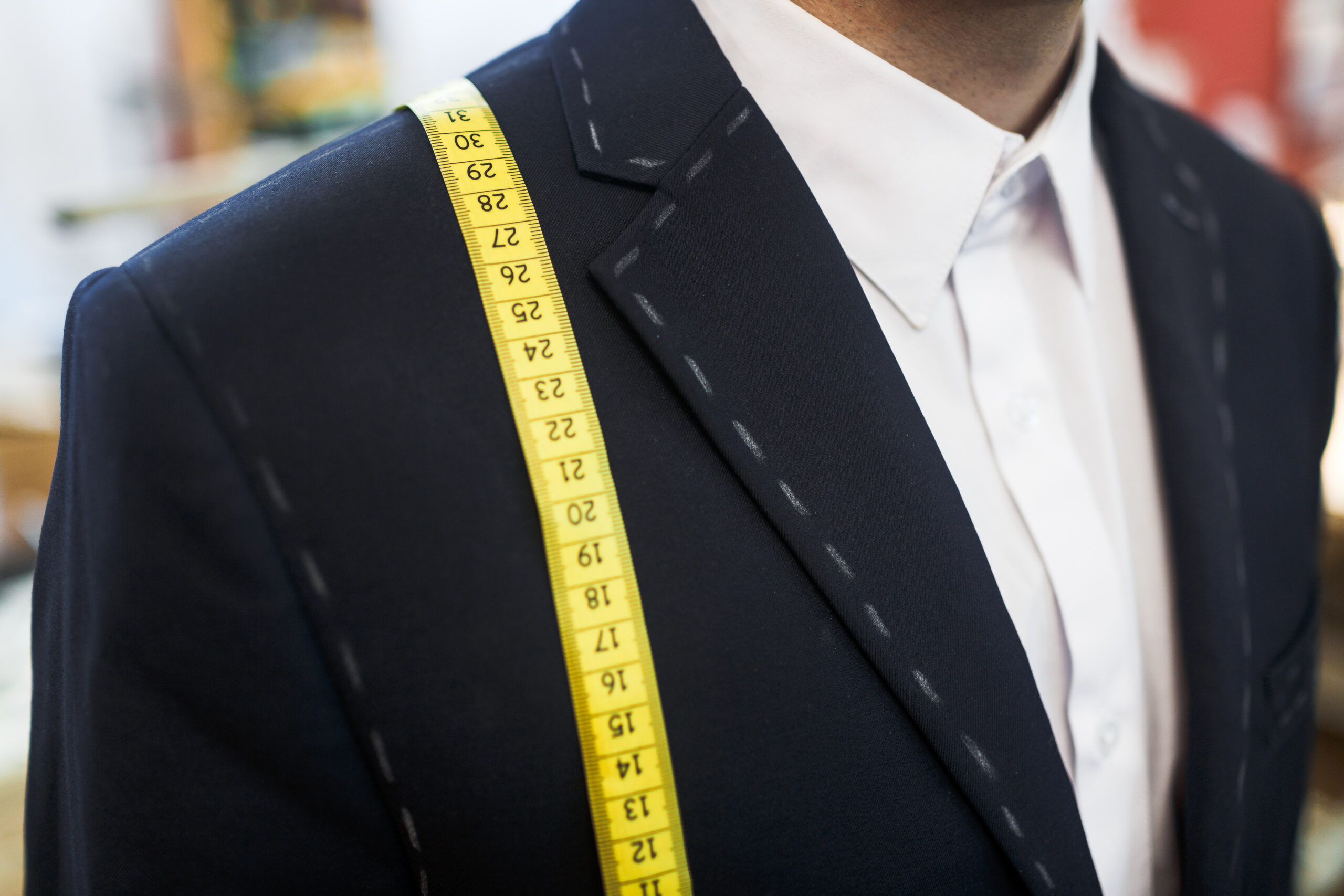
Diagonal wrinkles running from the buttonhole toward the armpit are the classic sign of a chest that is too narrow for the jacket. When the front panels cannot lie flat, the strain goes straight to the button. That is the most fixable version of the problem, because the excess can usually be recovered from the side seams.
Diagonal Wrinkles From the Buttons
Those wrinkles point to tension in the front, not to a jacket that is simply too long. If you see them only when the middle button is closed, the top of the jacket may still have room, and that is a useful clue for the tailor.
Horizontal pulling across the back when you raise your arms is a different symptom. It points to the back panel and sometimes the armholes, so it needs its own check.
Gaping Versus Pulling
Gaping means the front edges separate when buttoned, which suggests the jacket is too big in the waist or chest. Pulling means the fabric is trying to stretch beyond its seams. Both can happen on the same jacket, which is why a single look in the mirror is rarely enough.
Armhole Pressure Can Feel Like Chest Pressure
Some customers describe a chest problem when the real issue is an armhole cut too high or too deep. You feel the pressure under the arm every time you reach forward, and the whole torso seems restricted. Lift your arm while wearing the jacket. If the pressure lives in the armpit and the front stays relaxed, ask the tailor to look at the armhole before touching the chest.
What a Tailor Can Take In in the Chest
Taking in is the most common chest alteration, and it is the one most jackets can handle. The tailor reduces the width of the front and side panels, which tightens the fit across the torso without changing the shape of the shoulders. Done well, the jacket looks cut for you rather than simply made smaller.
A tailor typically works through the side seams first, then the armholes if the arms need to move more easily. Waist and sleeve adjustments often come along with the chest work, because a jacket taken in at the chest can look baggy at the waist if it is left alone. The goal is to keep the balance of the whole garment.
Taking In the Side Seams
The side seams run from the armhole down to the hem, and they are the first place a tailor looks when a jacket is too big through the body. Moving them inward reduces chest width while keeping the front and back panels intact. This is a routine job, and it usually does not change the look of the lapels or the shoulder line.
Sleeve and Armhole Adjustments
When the sleeves feel restricted after a chest adjustment, the tailor may take in the armhole. This is more delicate work, because the armhole is where the sleeve joins the body and small changes affect how the jacket moves. Ask for a movement check, such as raising your arms and reaching forward, before the jacket leaves the shop.
Pro tip: Ask the tailor to pin the side seams while you wear the jacket over the same shirt you plan to wear with it. A thin shirt and a heavy dress shirt can change the chest measurement enough to matter, so pinning once is the cheapest way to avoid a second visit.
Letting Out a Suit Jacket: What Limits It
Letting out a jacket is possible, but it is a different job from taking in, and the fabric decides how far it can go. The tailor needs spare cloth inside the seams, and that cloth is not guaranteed. If a jacket has little or none, the honest answer is that the chest cannot be widened by any meaningful amount.
This is where many customers hear what they want to hear and walk out with a jacket that will never close properly. A good tailor checks the seams before quoting. You should expect a direct answer, not a promise.
Seam Allowance Decides Everything
Seam allowance is the strip of extra fabric folded inside a seam. Jackets made with generous allowances can be let out, while many ready-to-wear jackets are cut close to the stitching line to keep costs down. A guide from Gentleman’s Gazette makes the same point: higher-end tailored garments usually carry more allowance, while less expensive jackets often have little or none.
Before agreeing to a let-out, have the tailor open the lining at the side seam and show you the allowance. If there is only a sliver, the jacket is a take-in candidate at best, and a let-out is a no-go.
A jacket with no seam allowance is a fixed size, no matter how skilled the tailor.
Why Canvas and Lining Limit Movement
A suit jacket is built with canvas, padding, and lining that hold its shape. Opening a seam can shift those layers, and on structured jackets it may change how the chest sits under the lapels. The further a tailor pushes a seam, the more likely the jacket will look altered rather than fitted.
Older and Worn Fabric Needs Extra Caution
Vintage or heavily worn cloth may show old crease lines or fabric fatigue along a seam when it is opened. Stitching holes from a previous alteration can also stay visible. If the jacket has been altered before, mention it at intake, because earlier work can limit what is safe to attempt.
When a Chest Alteration Is Not Worth Doing
Some tight jackets should not be altered at all, and telling you so is part of the job. The clearest warning sign is a shoulder seam that sits beyond your natural shoulder. No amount of chest work will bring that back in, and the time and money spent trying is usually wasted.
Guidance from Gentleman’s Gazette applies here. A jacket can be taken in at the sides, waist, chest, and arms, but shoulders are much harder to change, and a jacket that is too large in the shoulders is a bigger problem than one that is too large in the body. The same logic applies to chest work: when the required change is bigger than a modest adjustment, the cost of rebuilding the structure can outweigh the value of the jacket.
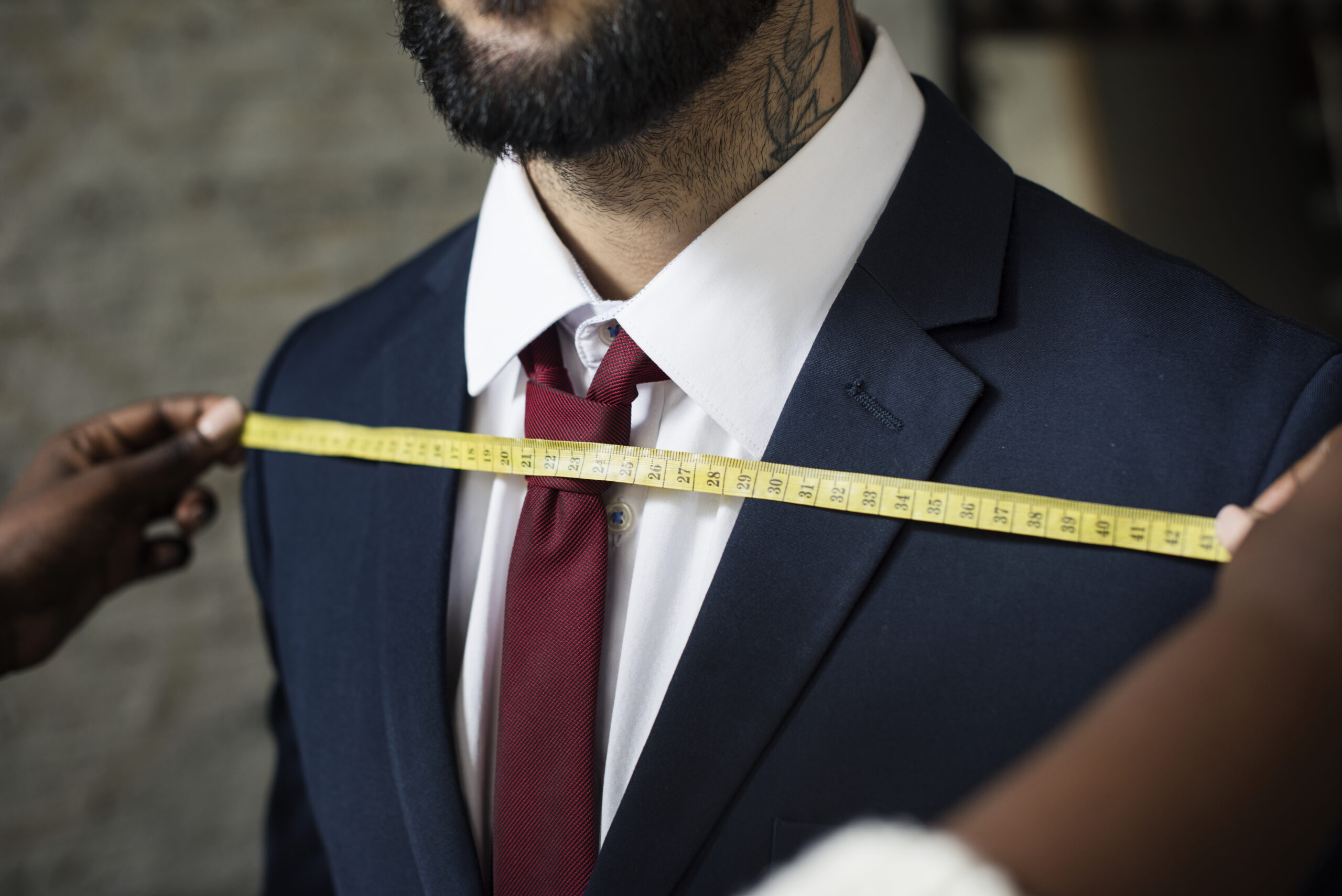
Shoulders That Sit Too Wide
If the shoulder pad sits past the edge of your shoulder, the jacket was built for a broader frame. Taking in the chest will not pull the shoulder back, and the result can look like a jacket trying to fit two bodies at once.
Sleeves and Armhole Depth
Where an armhole is cut too deep, the chest can feel tight even after the side seams are moved. Re-cutting an armhole is possible in some cases, but it is a serious structural change. A tailor should explain the risk before starting, and you should be comfortable with that answer.
Cost Versus Replacement
A quick test: if the repairs needed would cost more than the jacket is worth to you, or more than a second jacket that already fits the shoulders, the alteration is a poor investment. For a jacket you love, the math may still work. For a jacket with a poor shoulder line, it rarely does.
Chest Fit Options Compared
Most chest problems fall into three categories, and each one carries a different cost, timeline, and ceiling. Knowing which applies to your jacket makes the conversation at the counter far more useful. The table below compares the approaches that come up most often.
| Approach | Works Best When | Main Drawback |
|---|---|---|
| Taking in the side seams | The chest is tight but the shoulders and sleeves fit well | Does nothing for shoulders that sit too wide |
| Letting out the seams | The jacket has visible seam allowance inside and the fabric is in good condition | Limited by the allowance, and older cloth may show marks |
| Buying the next size up and reshaping | The shoulders fit the larger size and the chest is the only issue | Costs more and needs careful waist and sleeve work |
Reading the Comparison Honestly
Take in when the jacket is too big elsewhere and only tight in the chest. Let out only when the seams prove there is fabric to use. Buy a different size when the shoulders cannot agree with the chest, because no tailor can make the shoulders fit a size they were never cut for.
When a Different Size Is the Answer
Choosing the wrong option is the most common source of wasted money in this category. A customer who pays for a let-out on a jacket with no allowance ends up with the original problem plus a bill. A better first step is an inspection that checks seams, shoulders, and armholes together, since a chest measurement on its own tells you very little.
Preparing for a Chest Fitting
A little preparation makes the fitting faster and the result more accurate. Late fall is when event calendars fill up, so book the fitting before the rush of holiday parties and winter weddings. The more closely the jacket matches the way you will wear it, the fewer surprises you will face on pick-up day.

What to Wear to the Fitting
Bring the shirt, shoes, and belt you plan to wear with the jacket. Button it the way you normally would, then stand, sit, and reach forward. A tailor who sees the jacket with the real outfit can judge the chest far more accurately than one who sees it on an empty hanger.
Getting a Quote Before Work Starts
Hems at Stitch It start at $14.89, but a chest adjustment involves more work, so the quote depends on the jacket itself. You should receive that quote upfront, before any cutting or opening of seams begins. If you are unsure how the 30-Day Fit Guarantee applies to your garment, ask before you agree to the work.
Same-Day and Rush Options for Walk-Ins
Same-day and rush service is available for walk-ins, which helps when an event is close. Simple take-ins can move quickly, but structural work needs more time, and a rush should never mean skipping the movement check. A jacket that is fast but wrong is still wrong.
Pro tip: Take a photo of the diagonal wrinkles from the front and the back before your fitting. It gives the tailor a clear reference and gives you a record to compare against when you pick the jacket up.
Frequently Asked Questions
Can a tailor fix a suit jacket that is tight in the chest?
Often, yes, as long as the shoulders and armholes fit reasonably well. The usual fix is taking in the side seams, which reduces the width of the front and side panels without changing the shoulder line.
Can a suit jacket be let out in the chest?
Sometimes. Letting out depends on spare fabric inside the seams, and many ready-to-wear jackets have little or none. A tailor should open the lining and show you the allowance before quoting.
How much can a suit jacket be taken in?
Moderate adjustments are routine, but large reductions are risky. A jacket that is more than one size too big is harder to alter well, and a jacket that needs to shrink by several sizes is usually better replaced.
Should I buy a suit jacket that is tight in the chest?
Only if the shoulders fit properly and the chest problem is limited to the side seams. If the shoulder seam sits past your natural shoulder, or the jacket needs significant structural work, walk away and look for a better fit.
How long does a chest alteration take?
A simple take-in can be finished quickly, and same-day or rush service is available for walk-ins at Stitch It. More involved work, such as armhole changes or letting out seams, takes longer because the tailor has to check the result carefully.
Have you ever had a jacket that fit on the hanger but pulled across your chest once buttoned, and what did your tailor do about it?