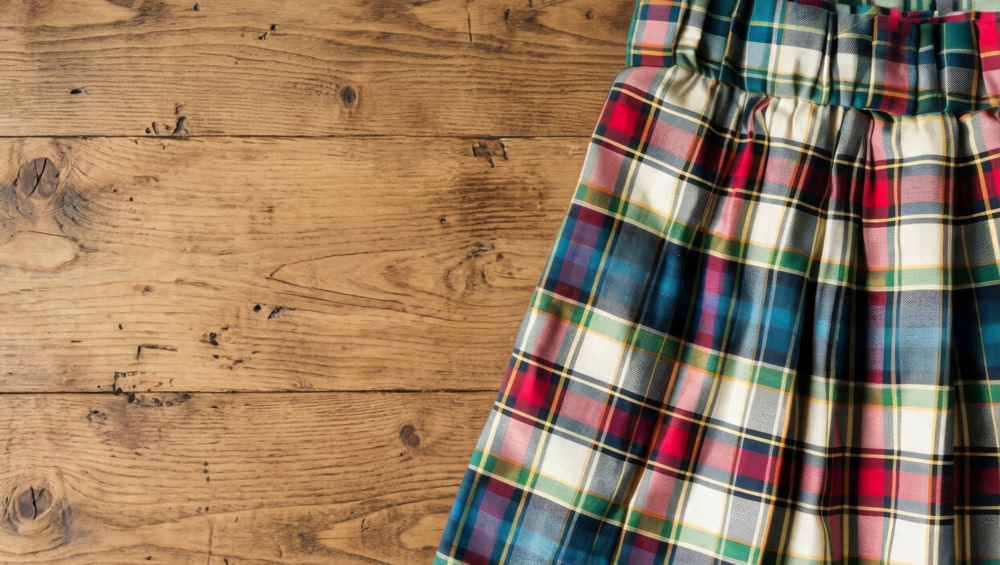
A skirt that hits the wrong spot at the ankle or pulls across the hips is one of the most common requests we see at the counter, and most skirt alteration jobs are simpler than people expect. A change can shorten the length, take in the waist, repair a zipper, or adjust the lining, but each change has limits set by how the garment was built. Knowing those limits before you hand over a skirt saves time, money, and a second trip. This guide covers how we measure, what hemming really involves, how waist adjustments work, and where a skirt simply will not cooperate.
Table of Contents
- Quick Takeaways
- How to Measure a Skirt Before an Alteration
- What a Skirt Hemming Job Actually Involves
- Waist Adjustments: What Can Be Taken In and Let Out
- Zippers, Slits, and Lining: The Repairs People Forget
- Comparing Skirt Alteration Options
- When a Skirt Alteration Is Not Worth It
- Frequently Asked Questions
- References
Quick Takeaways
| Key Insight | Explanation |
|---|---|
| Measure hip and waist separately | Skirt sizing follows the waist or hip measurement, so a size that fits your hip can gape at the waist. Note both numbers before you shop. |
| Wear the shoes you plan to use | Hem length changes with heel height. A hem pinned in flats can look far too short once you put on heels. |
| Check the seam allowance before promising a size change | Waistbands and side seams can only move as far as the fabric left in them. Large changes often need a different size, not a tailor. |
| Expect hems to lose length, not gain it | Letting a hem down depends on the fabric in the original fold. If the old crease will not press out, the hem may not go down as far as you want. |
| Hem the lining separately | On lined skirts the lining should sit a little shorter than the shell, or it will show below the hem when you walk. |
| Pleats and prints limit where a hem can go | Deep pleats and printed or striped fabrics restrict how and where the hem can be moved without breaking the pattern. |
| Bring the skirt in early for formal events | Walk-ins can often get same-day or rush service for simple work, but bridal and multi-piece formalwear needs more lead time. |
How to Measure a Skirt Before an Alteration
Start with the measurements that actually control fit. Pattern sizing for skirts is set by the waist or hip measurement, and pattern sizes do not match ready-to-wear sizes, which means the number on a skirt tag tells you very little about how it will hang on your body. Measuring yourself and checking the garment against those numbers is the fastest way to know what kind of alteration you need.
Waist versus hip: which one to fix first
When a skirt fits the hip but gaps at the waist, the problem is almost always the waistband, not the hip. We check the hip first because it is the harder area to change. If the hip is too tight, no waist adjustment will solve it without distorting the side seams and pulling the pockets out of shape.
Take the hip measurement at the fullest point, and take the waist at the natural waistline where the skirt actually sits. Write down both numbers before you go shopping or drop a garment off, because they tell us whether the skirt can be taken in, needs to be let out, or belongs to a different size entirely.
Checking length with the right shoes
Stand on a hard floor in the shoes you plan to wear, at the heel height you will actually use. A three-inch heel can raise the apparent hem noticeably compared with a flat shoe. A common mistake is pinning a hem in flats, then wearing the skirt to an event in heels and finding it sits higher than expected.
Bring the shoes with you to the fitting if you can. If you cannot, tell us the heel height and whether you plan to wear the same pair for the event. We will mark the hem with that in mind, and we will mention if a second fitting makes sense for a formal occasion.
What a Skirt Hemming Job Actually Involves
Hemming is the most requested skirt alteration, and it is less simple than it looks from the outside. Before any cutting or stitching, we check the original hem allowance, the existing fold line, the condition of the fabric, and the stitching that holds the hem in place. The amount of fabric available decides how much length can change, and that is a judgment call a tailor makes on the garment itself.
Letting a hem down versus taking it up
Letting a hem down requires enough fabric in the original allowance, and the crease from the old hem often stays visible. Fabric that has been pressed for years or shows fading at the fold may keep the old mark, so we tell customers this upfront instead of promising a clean result. Taking a hem up is usually more predictable, because the extra fabric is trimmed and the new fold is finished cleanly.
In practice, a hem that has already been let down once rarely has enough left to go down again. Ask before you assume that a hem can move another inch, because the answer depends on what is left in the fabric, not on the length you want.
Blind stitch, machine finish, and why the lining matters
A blind hem stitch is the standard for tailored and structured skirts, since it is nearly invisible from the outside. Many everyday skirts use a machine-finished hem instead, which is faster and holds up well on knits and lightweight fabrics. The right finish depends on the fabric, the cut, and how the skirt will be worn, and we explain the choice before we start.
Lined skirts need extra attention. The lining should be hemmed separately and usually sits a little shorter than the outer shell, so it does not show below the hem when you walk or sit. When the lining is hemmed at the same length as the shell, it often flashes below the fabric with every step.
Pro tip: Bring the skirt with its original hem intact. If someone has already removed or re-stitched the hem, we may need to check the fabric before we can quote a length with confidence.
A hem is only as good as the fabric it has left to work with, and the best hemming job is the one nobody notices.
Waist Adjustments: What Can Be Taken In and Let Out
A waist adjustment is the change people hope for most and the one with the clearest limits. A skirt has a waistband, side or back seams, and a zipper or closure, and each of these determines how much room can be gained or lost. Identifying which part is causing the problem tells us what needs to change and how far it can go.
Taking in a waist that gapes
When the waistband gapes at the back, we usually take in the center back seam or the side seams, depending on how the skirt was constructed. Taking in is common on pencil skirts and A-line skirts that were bought in a size chosen for the hip. Many people go up a size to get over the hip, then end up with a waistband that stands away from the body.
A common mistake is trying to take in a waist by too much at once. A large reduction can change the hang of the skirt, pull the pockets out of place, and flatten the drape of the fabric, so a tailor will often recommend a smaller change and a different size for the rest.
Letting out and the seam allowance limit
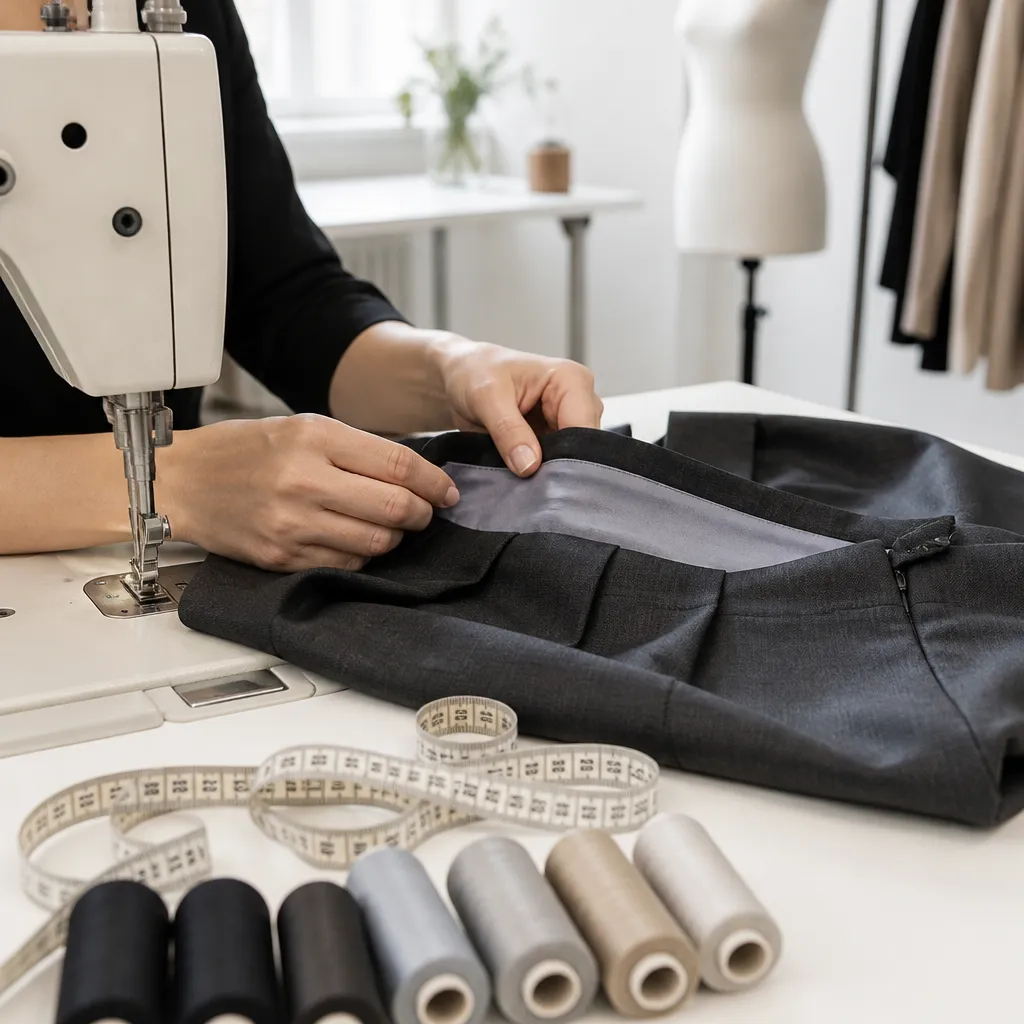
Letting out depends on how much fabric was left in the seam allowance when the garment was made. Many skirts have narrow allowances, and once that fabric is used up, the only options are a new panel or a different size. Visible topstitching or a fashion waistband can also show the old stitch lines after the seam is opened.
We recommend against letting out a skirt by a large amount when the waistband is decorative or the seams are topstitched. Check the seam allowance before promising a size change, because a skirt that looks like it has room may have only a few millimeters to work with.
Zippers, Slits, and Lining: The Repairs People Forget
Hem and waist changes get most of the attention, but a skirt often needs a second repair while it is on the table. Zippers wear out, slits shift when the hem changes, and linings tear at the seam. Dealing with these at the same visit usually costs less time than coming back for a second round.
Replacing a zipper in a skirt
A zipper that will not close is often caused by worn or bent teeth, a slipped slider, or a fabric that has pulled across the seam. Replacement is a routine job, but the new zipper must match the length and weight of the original, and a side zipper usually means opening part of the waistband. A zipper that is too heavy for a lightweight skirt can pull the fabric and cause it to bunch at the waist.
Pro tip: Note the zipper length and whether it is a closed-end zipper, which is standard on skirts, before you come in. Having those details ready shortens the visit and makes it easier to match the replacement to the original.
Adjusting a slit or pleat when the hem moves
A slit is measured from the hem, so when the hem goes up, the opening shortens with it. The top of the slit may need to be re-stitched or moved slightly to keep the walking room you had before. The same applies to pleats near the hem, which can change visually when the length is adjusted.
If the slit is a key feature of the skirt, tell us how much movement you need so we can plan the change. We would rather discuss the trade-off before we cut than explain a shorter slit after the fact.
Comparing Skirt Alteration Options
Most hem and waist questions come down to a few common approaches, and each one suits a different skirt and a different use. The table below compares three options we see most often. The right choice depends on the fabric, how formal the skirt is, and how much the hem movement will be seen.
| Approach | Best for | Main trade-off |
|---|---|---|
| Blind hem stitch | Tailored, lined, and formal skirts where the hem must be invisible | Takes more time and needs enough fabric in the original allowance |
| Machine-finished hem | Everyday skirts, knits, and lightweight fabrics that need a faster, durable finish | The stitching line can be seen from the outside on some fabrics |
| Taking in side or center back seams | Waistbands that gape while the hip still fits correctly | Limited by seam allowance and can change how the skirt hangs if the change is large |
In practice, a blind hem is worth the extra time on a structured skirt that will be worn to formal events. A machine-finished hem is a sensible choice for casual wear, but it is the wrong choice for a delicate fabric that may show needle marks. Taking in seams is the most efficient fix for a gaping waist, provided the change stays within what the seams can handle.
When a Skirt Alteration Is Not Worth It
Some skirts cannot be changed the way the owner wants, and it is better to know that before the first cut. Fabric type, construction, and the amount of material left in the garment all affect what is possible. Being honest about those limits is part of doing the work properly.
Pleats, prints, and fabric that will not hide a change
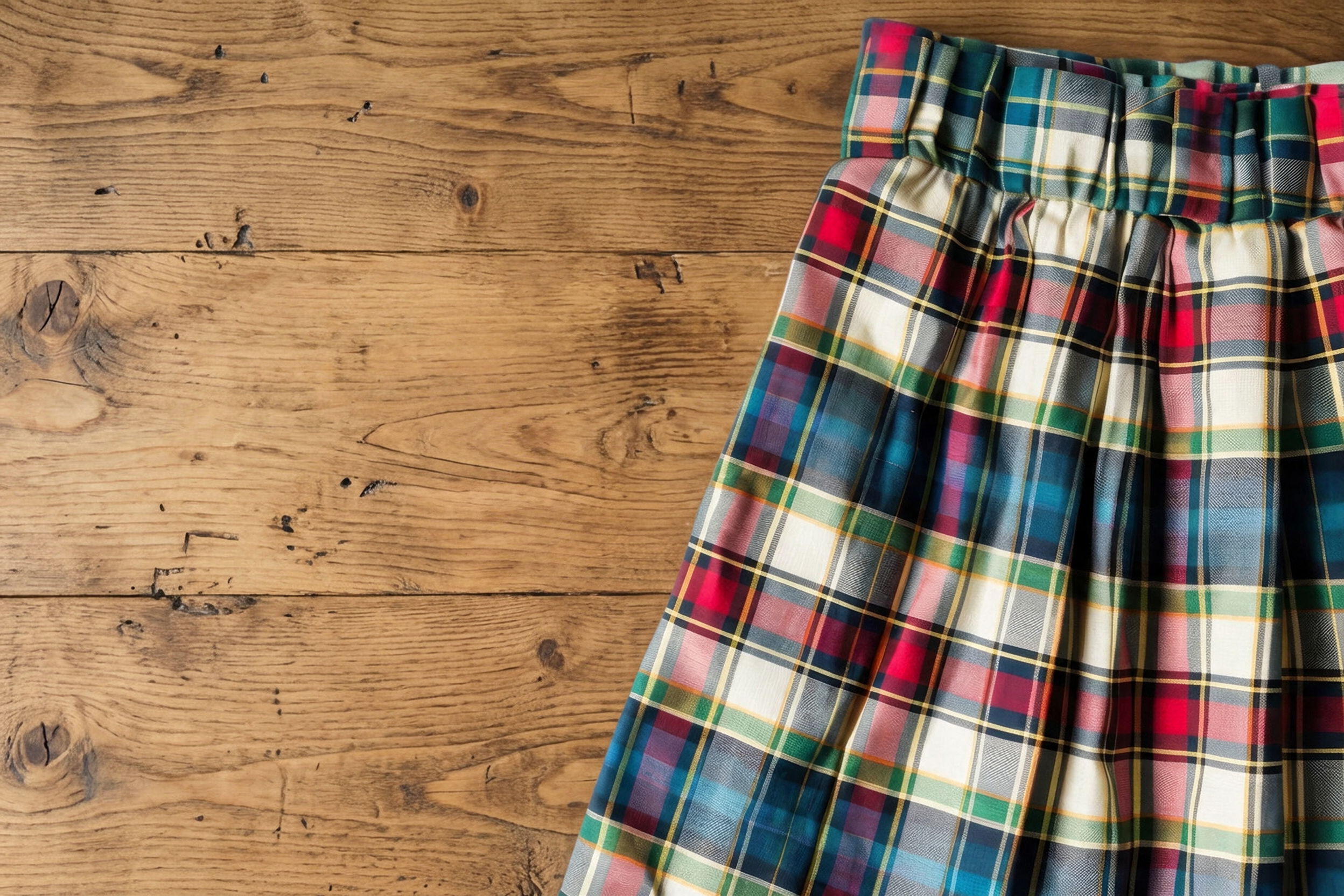
Deep pleats, printed fabrics, and stripes are the most common reasons a hem cannot move as far as a customer hopes. A pleat that is shortened too far can lose its structure, and a stripe or print that does not line up after a hem change can look wrong from across the room. Heavily embellished skirts, such as those with beading or fringe at the hem, may need to be left as they are or changed in a specific way.
Some fabrics also leave permanent marks. Certain synthetics show needle holes or pressed creases after a hem is removed, and a delicate silk may not take a second set of pins. We test the fabric in an inconspicuous spot where possible, and we explain the risk before we begin.
Timing for bridal and formalwear
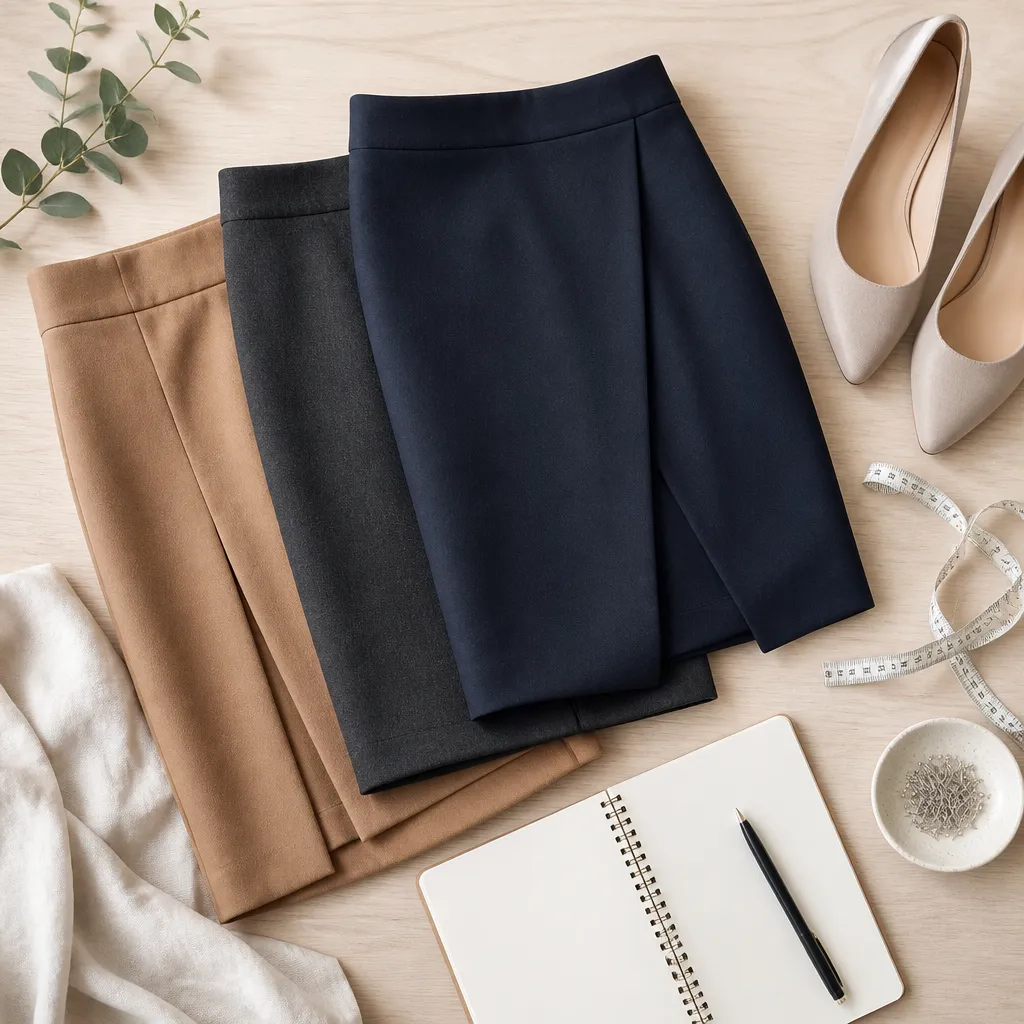
Walk-in customers can often get same-day or rush service on simple hems and waistband changes. Bridal and multi-piece formalwear takes longer, because the fittings, alterations, and final pressing need time to be done properly. Booking early is the single best way to avoid a rushed result before a wedding, a gala, or a uniform deadline.
Stitch It offers a 30-Day Fit Guarantee, which is designed for exactly this kind of situation. Ask about the terms when you pick up the garment, so you know what to check and how to raise a concern if the fit is not right once you have worn it.
Frequently Asked Questions
How much does a skirt hem cost?
Hems at Stitch It start at $14.89, but the final price depends on the skirt’s construction, whether it is lined, and the type of hem finish required. A pleated or lined skirt usually takes longer than a simple A-line, and the quote will reflect that before any work begins.
Can a skirt be taken in by more than one size?
Usually not. Large changes are limited by the seam allowance and can change how the skirt hangs. For a significant size difference, a different size with a targeted alteration often gives a better result than forcing a large change into the existing garment.
How long does a skirt alteration take?
Simple hems and waistband changes can often be finished the same day or on a rush basis for walk-in customers. Lined skirts, pleated skirts, and bridal or formal pieces take longer, so plan for extra time if the garment is needed for a specific event.
Can a skirt that was already taken in be let out again?
Sometimes, but only if enough fabric remains in the seam allowance. Old stitching holes and pressed lines may remain visible, so the result may not look the same as a fresh garment. We check this before promising the change.
Should I bring my shoes to a skirt fitting?
Yes, if you can. Hem length changes with heel height, so a hem marked in flats can look too short once you wear heels. If you cannot bring the shoes, tell us the heel height you plan to wear.
Tell us about a skirt fit problem you have run into and what finally fixed it, because your experience helps shape the next guide we write.
We would love your feedback and any insights you would share with others. What perspective would you add?