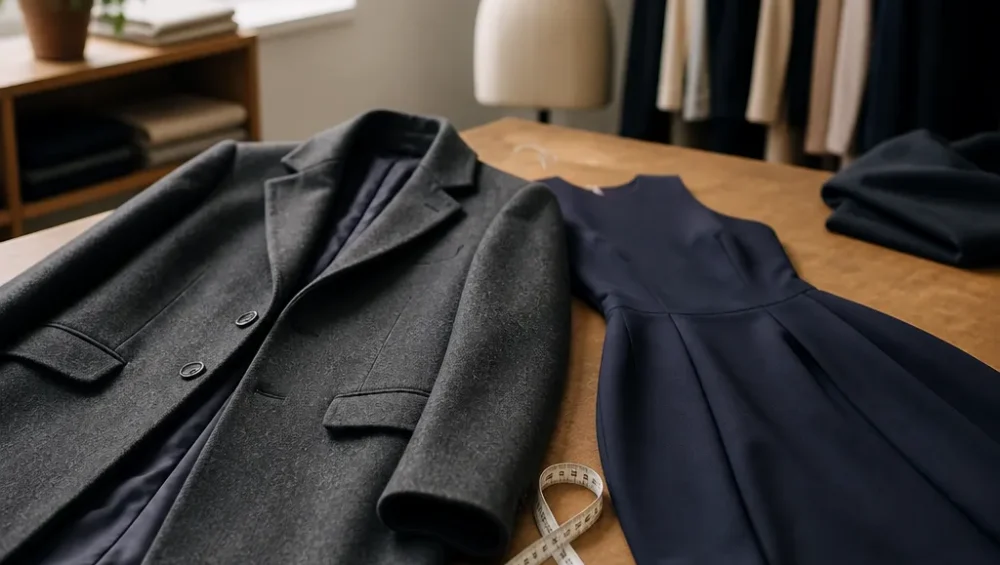
A coat that fit well in March can pull across the shoulders by December, and a dress that hung perfectly after its first fitting can start to bag after a few seasons of wear. Most garments do not die from one bad wash. They lose their life through small, predictable problems: fit that drifts, hems that fray, stains that set, and fabric that gets stressed in the wrong places. Knowing how alterations and dry cleaning work together is the most practical way to extend clothing life, and with holiday parties and formal seasons approaching, now is the right time to check what needs attention.
Table of Contents
- Quick Takeaways
- Why Poor Fit Shortens the Life of a Garment
- Alterations That Protect Garments From Wear
- How Dry Cleaning Fits Into the Garment Lifecycle
- Choosing Between Alterations and Structural Tailoring
- Storage, Rotation, and Stain Handling
A garment can be cared for perfectly on the day it is worn and still be damaged by how it is stored. Soiled clothing left in a closet attracts moths, and oils left in the fabric oxidize, causing yellowing that does not wash out. Clean before storing, every time.
Stains are the second major risk. Heat sets many stains permanently, which is why an iron or dryer should never touch a stained garment until the mark is gone. Protein stains such as sweat and blood, and sugar-based stains such as wine and sauces, are the common offenders at formal events.Stains that set in heat
Heat turns many stains from removable to permanent. Before a stained item goes into a dryer or under an iron, check that the mark has lifted. Bring the stain to a cleaner before the garment goes back into your regular laundry, and say what caused it, because a wine stain and an oil stain need different treatment.Hangers and closet space
Thin wire hangers distort shoulders over time, especially on heavy wool jackets and structured coats. Use wide, padded, or shaped hangers for jackets, and hang trousers from clips at the cuff. Avoid overcrowding, because pressure on shoulders and sleeves creates creases that a steamer may not remove.Rotating formalwear between events
Rotation is the most underused form of garment care. Wearing the same suit every workday without a rest gives the fibers no time to recover between wears. Owners who rotate two suits across a week often find both last longer than one suit worn daily. Rotation also gives you a fresh option when a last-minute event comes up.
Pro tip: Store garments in breathable cotton garment bags rather than plastic. Plastic traps moisture, and over a long season that moisture can leave marks on light fabrics.Knowing When a Garment Has Reached Its Limit
- Frequently Asked Questions
- References
Quick Takeaways
| Key Insight | Explanation |
|---|---|
| Correct fit in the first month | Hems, side seams, and waist fixes are simplest while the garment still has its original seam and hem allowances. |
| Replace zippers and closures early | A dress zipper that fails mid-event usually forces a removal that tears the seam beside it. |
| Clean by need, not by calendar | Suits and formal dresses that are not visibly soiled can often go longer between cleanings than owners expect. |
| Never apply heat to a stain | Dryers and irons set many food, wine, and body stains, so confirm the mark is gone before any heat touches the fabric. |
| Store only clean garments in breathable bags | Soil left in fibers oxidizes over a season, and plastic bags trap moisture that can mark light fabrics. |
| Rotate your formalwear | Giving a suit a rest between wears lets the fibers recover, which extends its usable life. |
Why Poor Fit Shortens the Life of a Garment
The garments that come across our counter with the most wear damage are rarely the ones worn most often. They are the ones worn slightly wrong. A waistband pulled tight to close a pair of trousers pushes stress onto the buttonholes and seam allowances, and those are usually the first places to split.
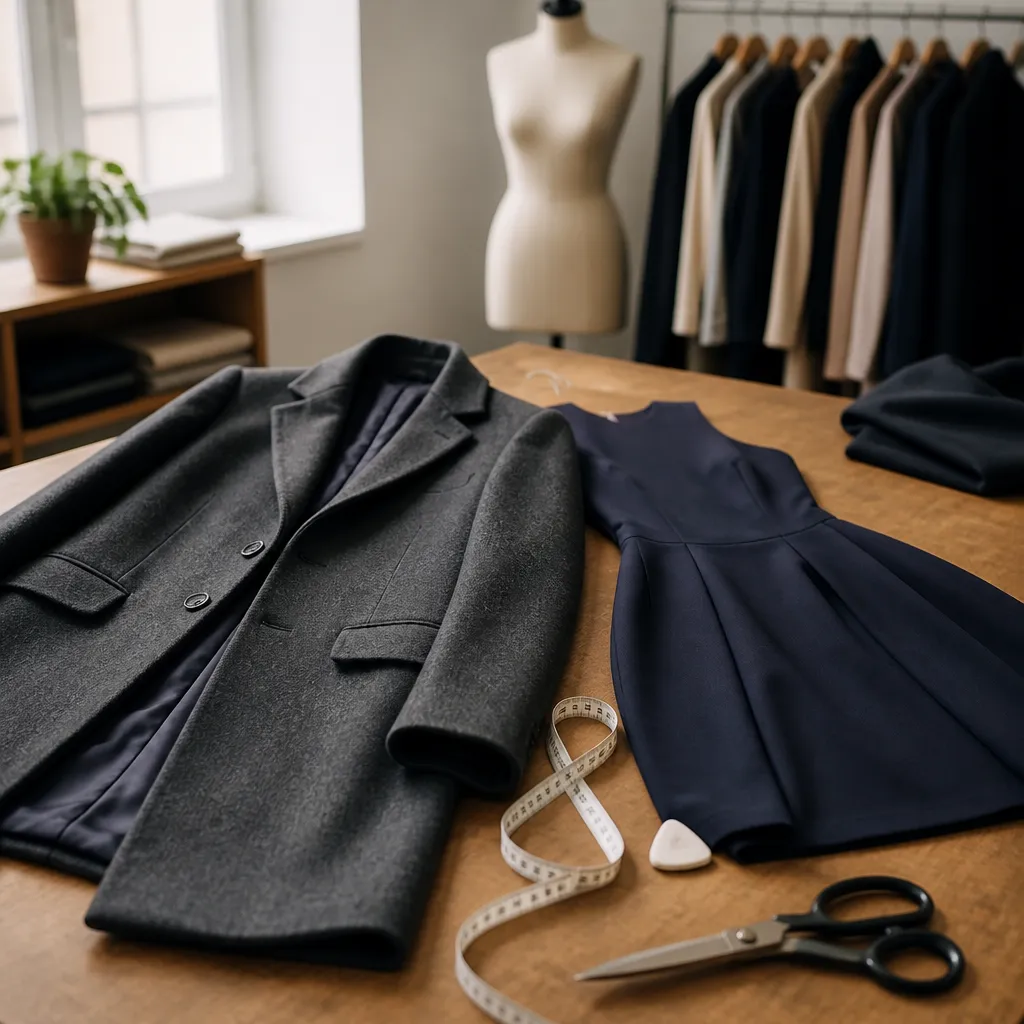
Jackets show the same pattern. When a shoulder seam sits too far off the body, the sleeve drags the armhole fabric forward every time you reach, and the fibers at the underarm rub against the lining until they thin. A jacket that looks fine on a hanger can be fraying in two places before its first season ends.
Stress points that fail first
Most fit-related damage concentrates in four areas: buttonholes on fitted waistbands, underarm seams, zipper tapes on dresses, and hem edges on heavier fabrics like wool crepe. If you notice pulling, gapping, or horizontal creases at any of these, the fabric is telling you the garment needs attention. Waiting usually turns a simple seam adjustment into a repair.
Why the first month matters most
Early alterations are the cheapest and most reliable because the garment still carries its original seam allowances and hem fold. A hem can be let down only as far as the original fold allows, and a side seam can be taken in only as far as the allowance permits. A garment worn for two years may have lost both options, which is why we ask clients to bring in new purchases for a fit check while the receipt is still in hand.
Pro tip: Wear the garment with the shoes and undergarments you plan to use before you bring it in. A hem measured in flat shoes can end up noticeably off once you switch to heels.
Alterations That Protect Garments From Wear
Alterations extend garment life in a less obvious way than cleaning does. They do not clean fabric, but they remove the stress and exposure that wear it down. A trouser hem that drags on the ground frays, collects grime, and eventually tears, and a simple hem adjustment breaks that cycle. Same-day and rush service is available for walk-in customers when an event is only days away.
Hems and sleeves that stop fraying
A hem sitting too low takes the abrasion of every step. Shortening it to the right break and finishing the raw edge properly keeps the most exposed fabric off the pavement. Our hem pricing starts at $14.89, which makes it one of the lowest-cost ways to add life to everyday trousers. Sleeve shortening on jackets follows the same logic, although it is more involved when the sleeve has to be taken up from the shoulder.
Taking in seams to remove stress
Taking in a waist or side seam is about removing load, not only improving appearance. When a waistband is loose and the wearer keeps cinching a belt, the pressure lands unevenly on the seams and closures. A properly fitted seam lets the fabric hang without that constant tension. It is always easier to make a garment smaller than larger, because alterations can only use the allowances the manufacturer left in the seams and hems. If you need to go up a size, that usually means a new garment.
Replacing zippers and closures before they fail
A broken zipper on a dress or skirt often leads to forced removal, and forced removal tears seams. Replacing a worn zipper while the rest of the garment is still sound is one of the most cost-effective repairs we do. The same goes for worn buttons and loose hooks on formalwear. A missing closure left alone through one event often causes a split at the neighboring seam by the next.
How Dry Cleaning Fits Into the Garment Lifecycle
Dry cleaning uses solvents rather than water, which is why it suits wool, silk, structured jackets, and garments with beading or delicate linings that water and agitation can distort. Done properly, it removes oils and body residue that break down fibers over time. That is the main way it extends life: it stops soil from working deeper into the fabric.
The mistake we see most often is treating dry cleaning as a fix for everything, or as a routine that should follow every wear. Each cycle, including the pressing afterward, puts some stress on fabric and dye. More cleaning is not automatically better care, and many owners miss that point.
Cleaning frequency for suits and formalwear
Wool suits and blazers rarely need cleaning after each wear. Airing them out for a day, brushing off surface dust, and spot treating small marks between wears keeps them fresh much longer. Full cleaning makes sense at the end of a season, before long storage, or after an event where food, wine, or perspiration reached the fabric. Formal dresses worn once for an occasion should be cleaned soon after, because body oils and sweat darken fabric quickly if they sit.
Spot cleaning versus full dry cleaning
Spot cleaning helps with a fresh mark on a light fabric, but it can leave a ring or change the sheen if the wrong product is used. For anything beyond a small, fresh spot, a professional cleaner is the safer choice. Bring the garment in as soon as possible and point out exactly where the stain is, so the cleaner can choose a treatment instead of guessing.
What dry cleaning cannot repair
Dry cleaning removes soil. It does not restore fibers that have already broken, and it cannot reverse a stretched seam or faded dye. Read the care label before you decide, and treat it as the starting point rather than the final answer when a stain or odor is present. Garments that carry a dry clean only label should never go into a home dryer, and a damaged piece should be looked at by a professional before anyone tries a home remedy.
Choosing Between Alterations and Structural Tailoring
People often use alterations and tailoring as if they were the same service, but they solve different problems. Alterations change fit within the existing construction of a garment, such as hems, waist seams, and zippers. Structural tailoring changes how the garment is built around your body, such as rebuilding a sleeve head or rebalancing a jacket shoulder. Knowing which one you need saves money and avoids disappointment.
In practice, most everyday wear needs only standard alterations. A jacket that pulls at the shoulder or sits badly through the back usually needs structural work, and no hem adjustment will fix it. A simple test: if the fix changes where a seam sits on the body, it is structural. If it only changes length or width along an existing seam, it is an alteration.
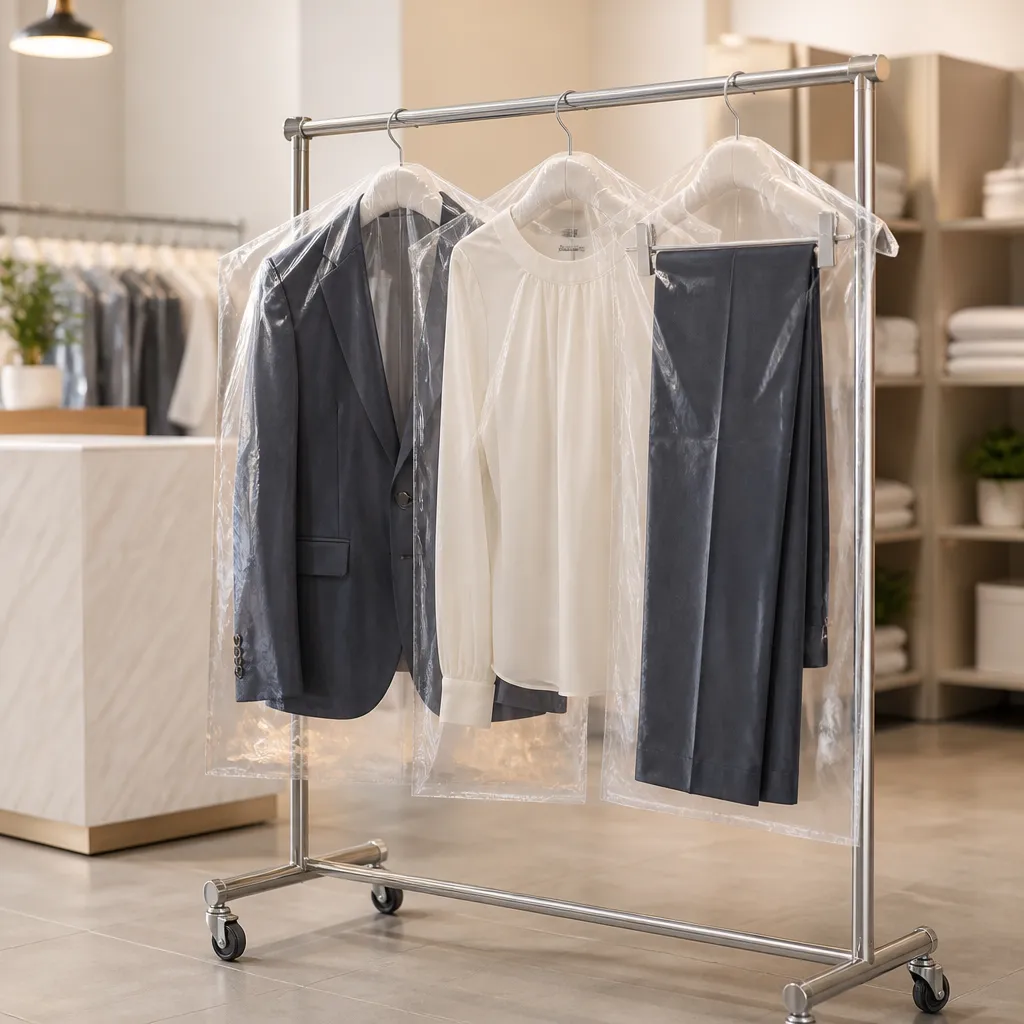
Three approaches compared
| Approach | Best For | Main Trade-off |
|---|---|---|
| Standard alteration | Hems, side seams, zipper replacement, and waist adjustments | Limited by the seam and hem allowances left in the garment |
| Structural adjustment | Shoulder fit, sleeve length taken up from the shoulder, lapel and vent reshaping | Takes more time and costs more per garment |
| Full re-tailoring | Garments that need a new fit pattern across the body | Highest cost, and rarely worth it for inexpensive pieces |
Deciding between them
For a formal suit, many clients start with a standard alteration and move to structural work only if the first fitting still does not sit right. For a budget dress, a full re-tailor rarely makes financial sense, so a targeted adjustment is the better path. We will tell you upfront when a fix moves beyond a standard alteration, so you can decide before any work starts.
Storage, Rotation, and Stain Handling
A garment can be cared for perfectly on the day it is worn and still be damaged by how it is stored. Soiled clothing left in a closet attracts moths, and oils left in the fabric oxidize, causing yellowing that does not wash out. Clean before storing, every time.
Stains are the second major risk. Heat sets many stains permanently, which is why an iron or dryer should never touch a stained garment until the mark is gone. Protein stains such as sweat and blood, and sugar-based stains such as wine and sauces, are the common offenders at formal events.
Stains that set in heat
Heat turns many stains from removable to permanent. Before a stained item goes into a dryer or under an iron, check that the mark has lifted. Bring the stain to a cleaner before the garment goes back into your regular laundry, and say what caused it, because a wine stain and an oil stain need different treatment.
Hangers and closet space
Thin wire hangers distort shoulders over time, especially on heavy wool jackets and structured coats. Use wide, padded, or shaped hangers for jackets, and hang trousers from clips at the cuff. Avoid overcrowding, because pressure on shoulders and sleeves creates creases that a steamer may not remove.
Rotating formalwear between events
Rotation is the most underused form of garment care. Wearing the same suit every workday without a rest gives the fibers no time to recover between wears. Owners who rotate two suits across a week often find both last longer than one suit worn daily. Rotation also gives you a fresh option when a last-minute event comes up.
Pro tip: Store garments in breathable cotton garment bags rather than plastic. Plastic traps moisture, and over a long season that moisture can leave marks on light fabrics.
Knowing When a Garment Has Reached Its Limit
Not every garment is worth saving, and an honest practitioner will sometimes tell you to stop repairing. Recognizing the point where a garment has run out of useful life protects your budget and keeps you from paying for repairs that will fail again soon.

The best time to fix a fit problem is before the garment has been worn enough to show it. The second best time is before the damage spreads to a second seam.
Fabric that has lost its recovery
Test the fabric by gently stretching a seam or the knee area. If it stays stretched, or looks shiny and thin, the fibers have lost their recovery and no alteration can restore them. Thin fabric at the seat or elbow is a common reason trousers and jackets fail after several years, even when the rest of the garment looks fine.
Repairs that cost more than the garment
When a repair costs more than a replacement and the garment has other wear points, the arithmetic usually favors replacing it. A well-made coat or wedding dress often justifies repairs that would be unreasonable on a budget item. Weigh the sentimental and practical value honestly before you commit.
Keeping a simple fit record
Write down the purchase date, how the garment fit at its first wear, and any alterations made. Over a few years, that record shows which pieces fit well, which need attention, and which stress points keep recurring. Use the 30-Day Fit Guarantee at Stitch It as a practical checkpoint. If a fit issue shows up in the first month, that is the easiest time to correct it.
Frequently Asked Questions
How often should I dry clean my clothes?
Most suits, jackets, and formal dresses need cleaning only when they are visibly soiled, after a long stretch of wear, or before storage. Between cleanings, brush them, air them out, and treat small marks quickly. Over-cleaning shortens fabric life faster than most owners expect.
Does dry cleaning make clothes last longer?
Dry cleaning helps garments last longer when it removes soil that would otherwise break down fibers and dyes. It does not restore worn or damaged fabric, and frequent cleaning can wear a garment faster. Clean when needed, not on a fixed schedule.
Should I get alterations done right after buying clothes?
Yes, if the fit is off. The first few weeks are when hems, side seams, and waist adjustments are simplest, because the garment still has its original allowances. Waiting can limit your options, so schedule a fit check early.
What is the difference between alterations and tailoring?
Alterations adjust fit within the existing construction, such as hems, waistlines, and zippers. Tailoring changes how the garment is built around your body, such as shoulder structure, sleeve head, and lapel shape. Structural work costs more and takes longer.
Are alterations worth it for inexpensive clothing?
Often yes for simple fixes like hems, because the cost is low compared with how often you wear the piece. Structural work rarely makes sense on budget items, so choose targeted alterations and skip a full re-tailor on inexpensive clothing.
Can every garment be altered?
No. Alterations are limited by seam allowances, hem folds, and the condition of the fabric. Making a garment larger is often not possible, and delicate or heavily embellished pieces may need specialist work.
Tell us which garment in your wardrobe has lasted the longest and which care habit you think made the biggest difference.
We would love your feedback and any insights you would share with others. What perspective would you add?