
A garment that doesn’t fit right isn’t a new problem. Throughout history, people have altered, patched, reshaped, and repaired their clothing rather than replacing it. From survival to fashion to everyday repairs, sewing has helped people make the most of what they wear for thousands of years.
Paleolithic Era
You may think that sewing began with woven fabrics, but the history of sewing predates that by thousands of years.
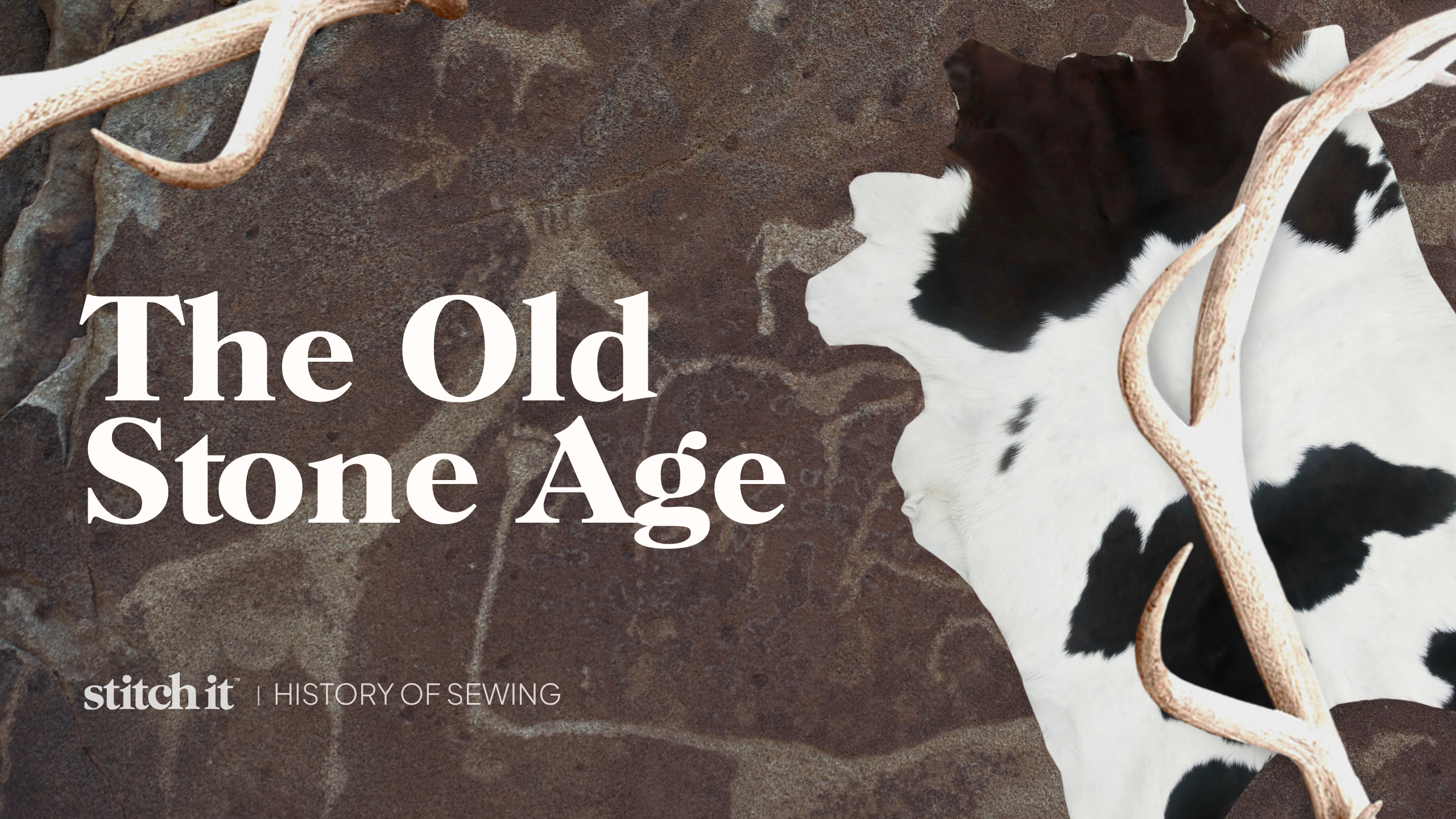
During the Paleolithic Era, people used the materials available in their immediate surroundings to create clothing and other items needed for survival. Animal hides and furs were joined together using natural fibres, sinew, and other materials. Using bone, ivory, and other sharp objects, holes were made and materials were stitched together.
At this time, sewing wasn’t about getting the perfect fit, it was about staying warm and protecting the body. Survival was key.
4,000 BC: Woven Cloth
By 4,000 BC, people were producing woven cloth from natural fibres. Weaving allowed people to create lengths of fabric that could be cut, shaped, and sewn into clothing.
This also changed the role of sewing. Instead of stitching together pieces of animal hide, people could now work with textiles such as linen and wool.
Middle Ages
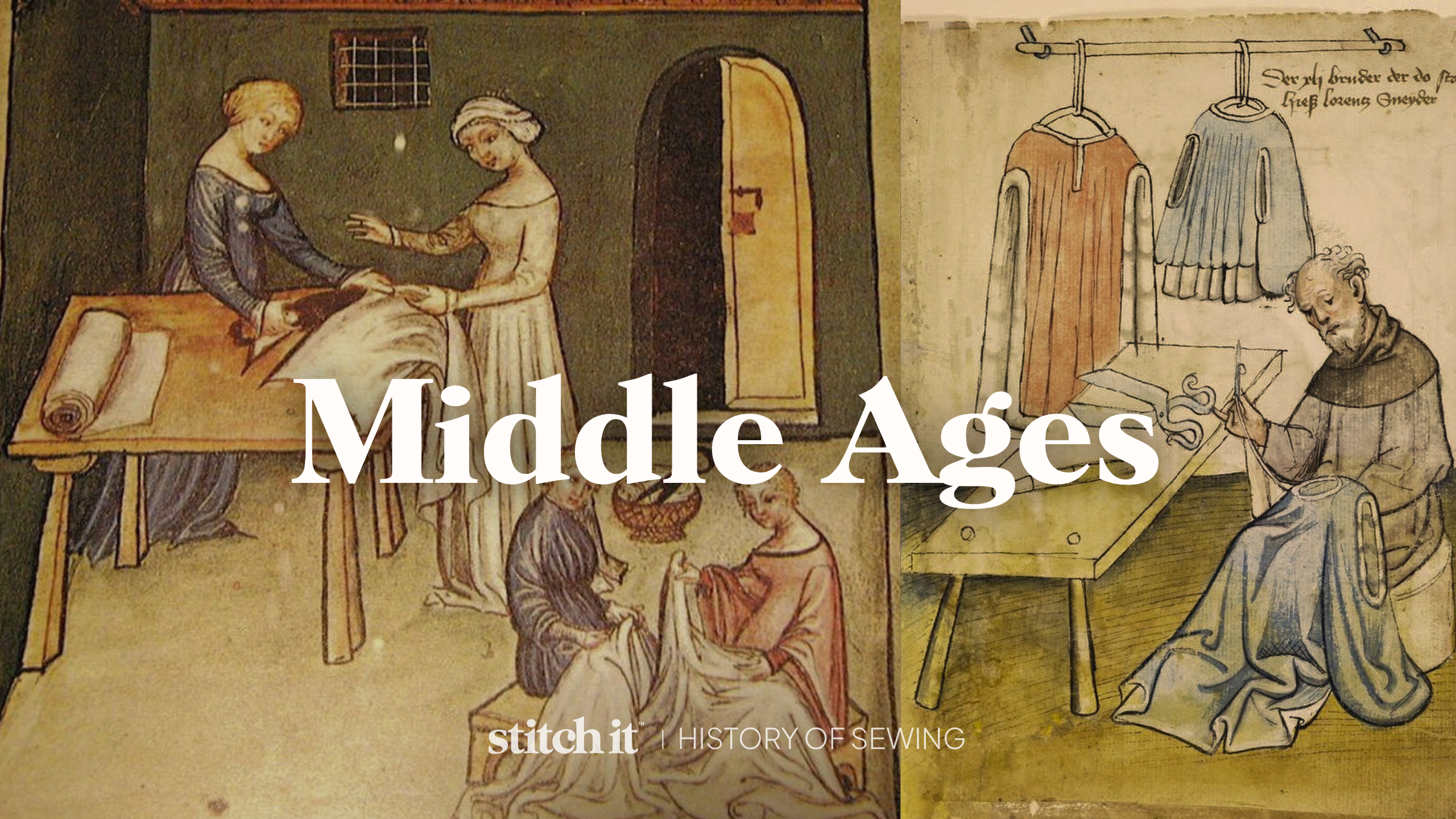
By the Middle Ages, most clothing was made by hand, and producing a garment for wear required significant time and skill. One of the primary purposes of sewing became to repair clothing instead of replacing it. Repairing, patching, altering, and maintaining clothing were all important parts of everyday life.
Skilled tailors and dressmakers became important, particularly as clothing became more structured and elaborate. Sewing was moving away from something that was done out of necessity at home and was becoming a specialized trade.
Industrial Revolution
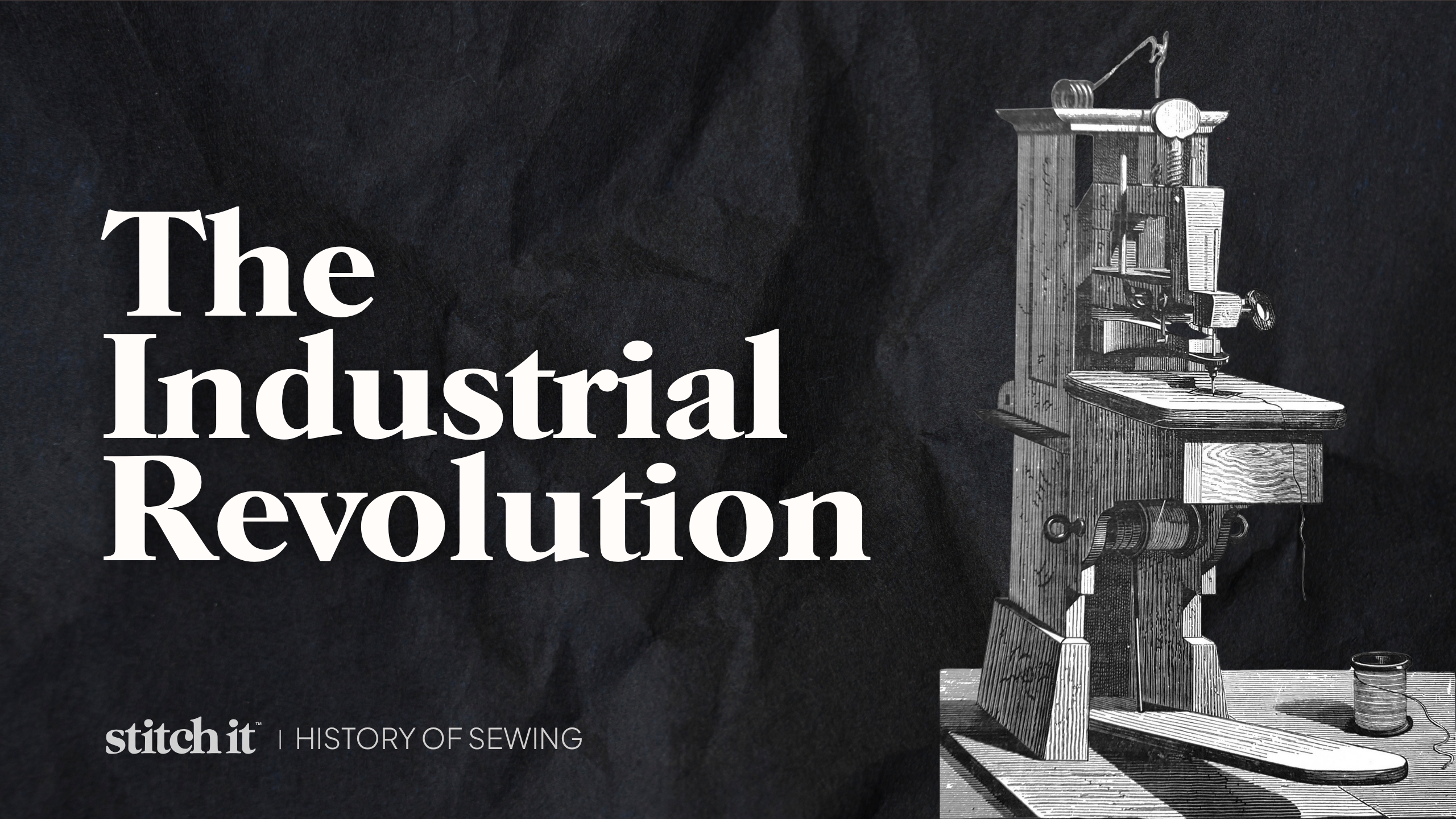
The development of sewing machines transformed the way that clothing was made. In 1841, the first sewing machine was created by Barthélemy Thimonnier, and its impact was enormous.
The difference was speed. A machine could sew far faster than a person working by hand, making it possible to produce clothing on a much larger scale.
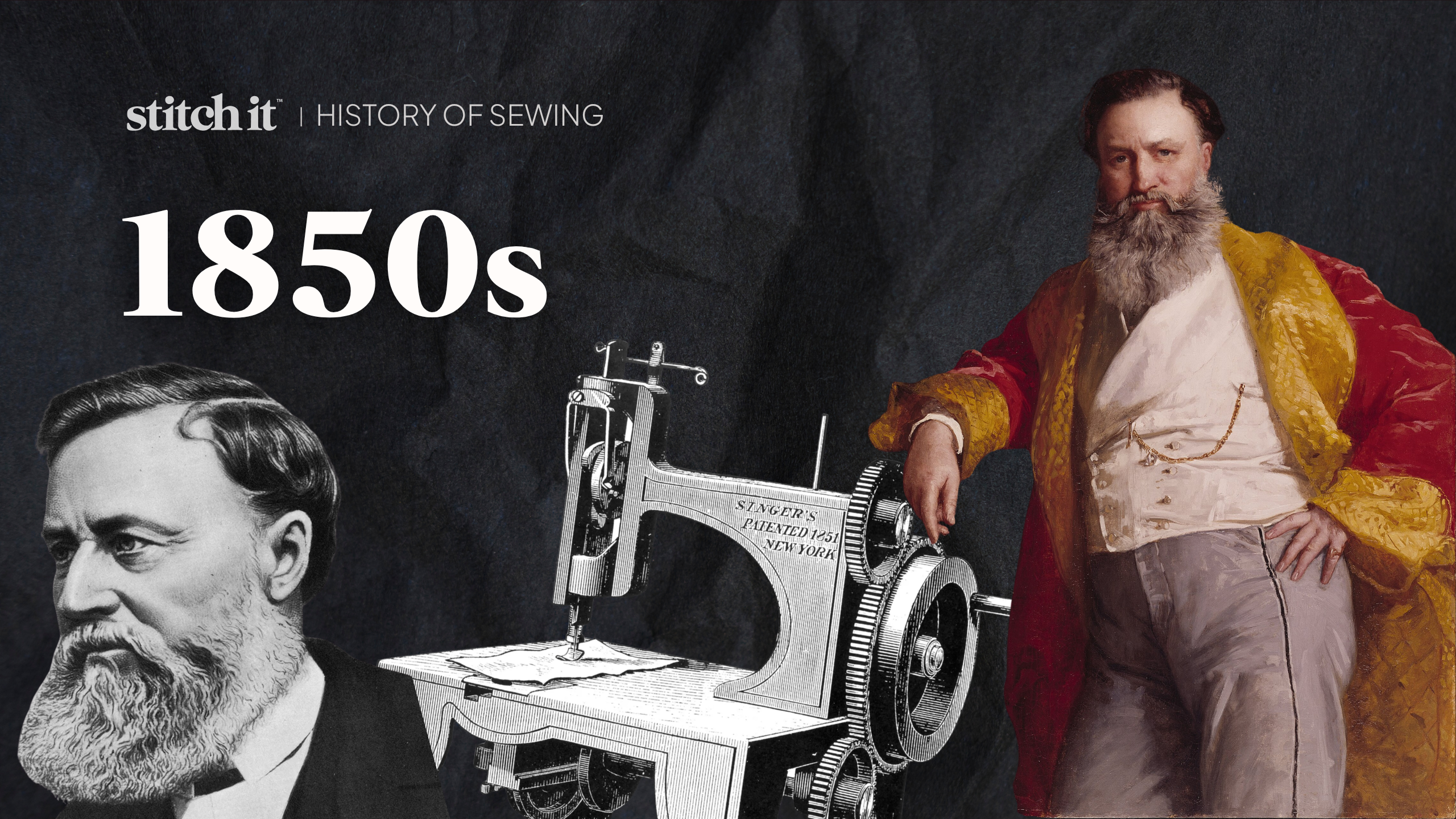
1850: Isaac Singer
Around 1850, Isaac Singer improved the sewing machines to help make them more practical and productive. The machines contributed to the growing popularity of machine sewing both commercially and at home.
Sewing machines weren’t just making professional garment production faster, they were helping to make sewing more accessible to the general public. To this day, the Singer name is synonymous with sewing and sewing machines.
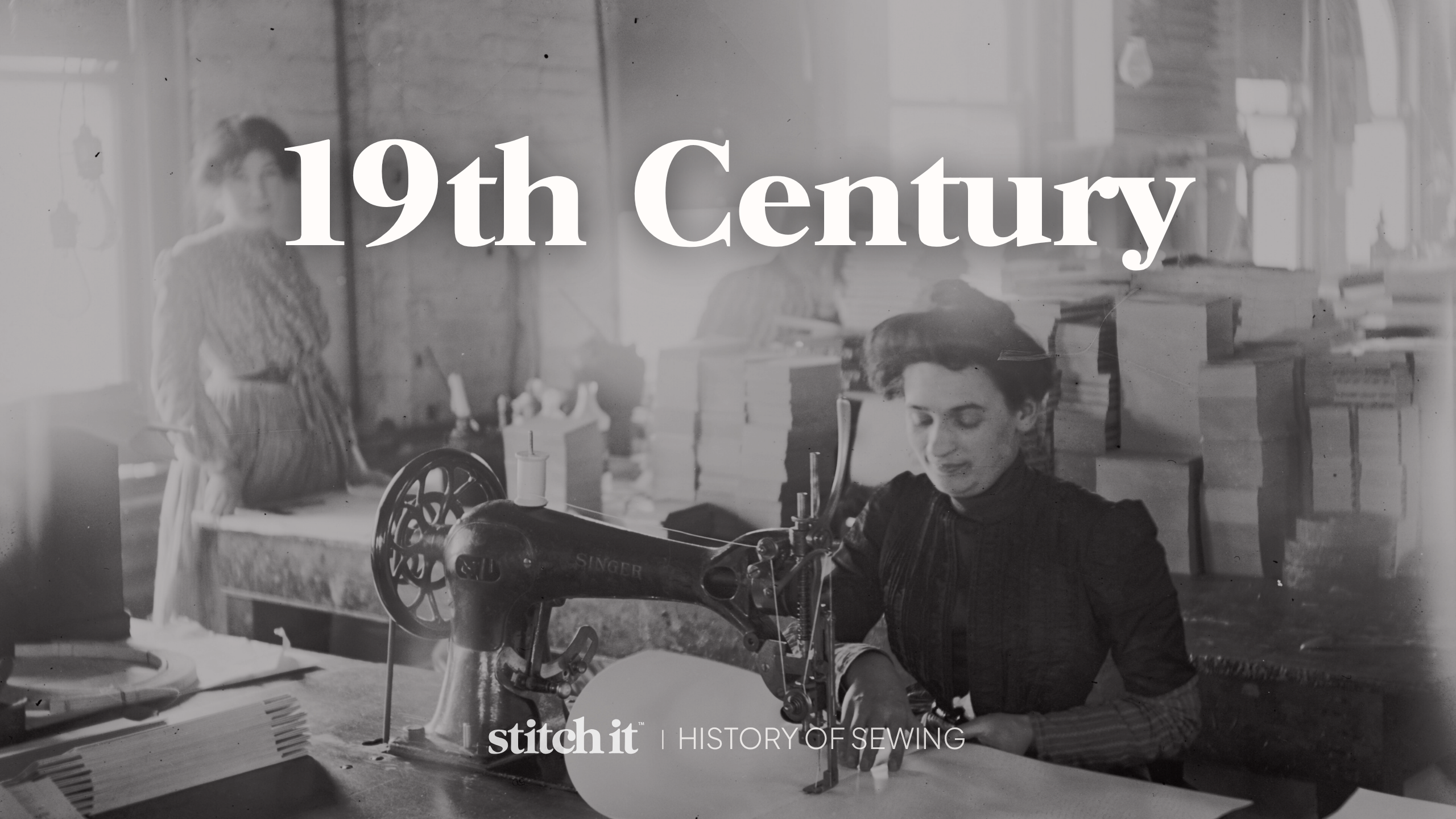
19th Century
As cities grew and the clothing industry expanded, so did the need for people who could make and modify garments.
Tailor shops began appearing in major cities throughout the world, particularly in London, England. These businesses offered custom-made clothing, repairs, alterations, and fittings.
For customers, this meant that clothing could be made specifically for them, or adjusted when it didn’t quite fit the way that it should have.
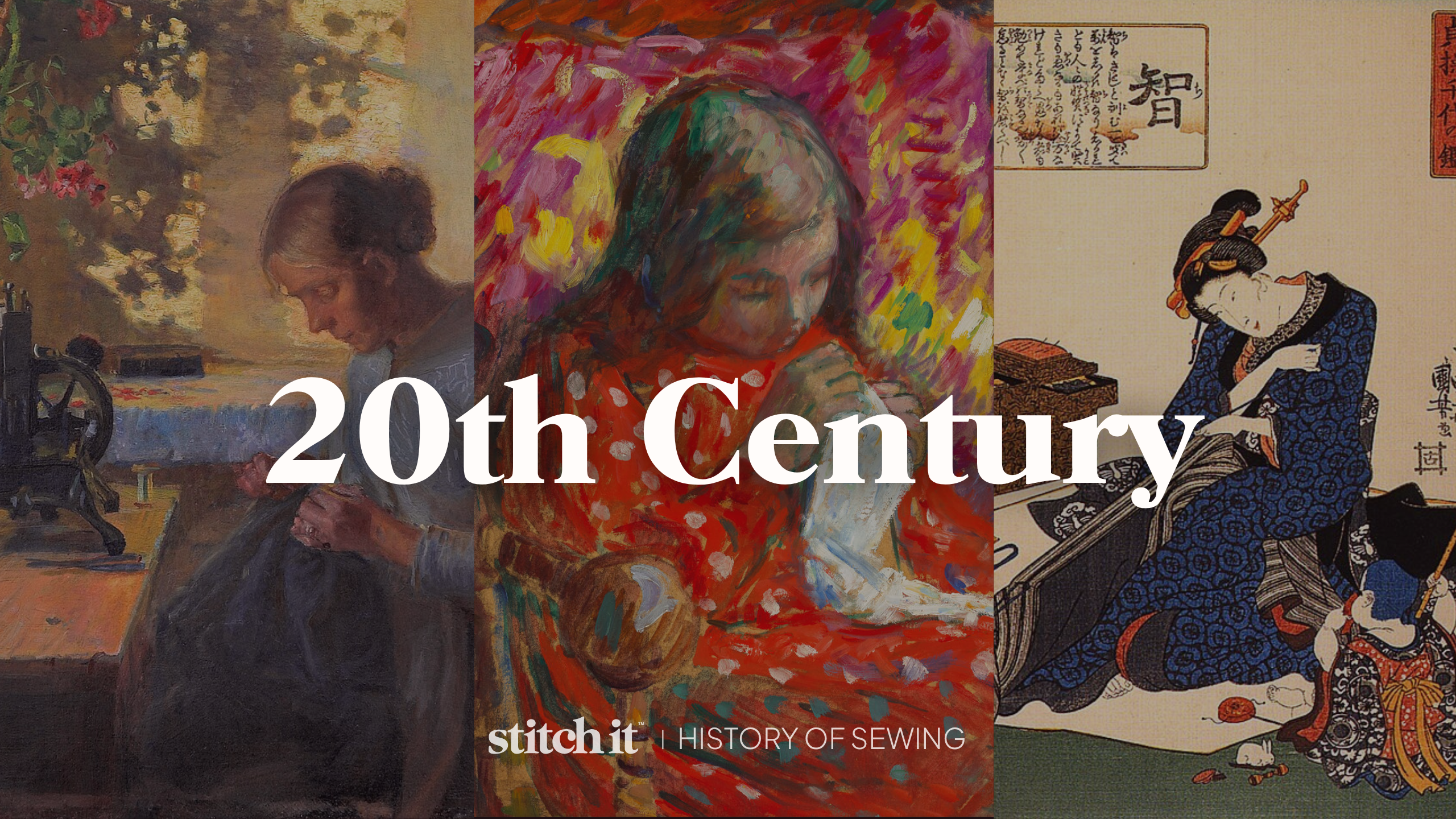
20th Century
The 20th century brought forward another innovation: paper sewing patterns. These patterns gave people a way to recreate fashionable clothing at home without having to draft out an entire garment from scratch. Instead, they could purchase a pattern, select their fabric, follow the instructions provided, and sew the pieces together.
No longer was fashion something that only happened at stores or in tailor shops. With a sewing machine, fabric, and pattern, people could create their own garments at home. For professionals, it provided another way to hone their craft.
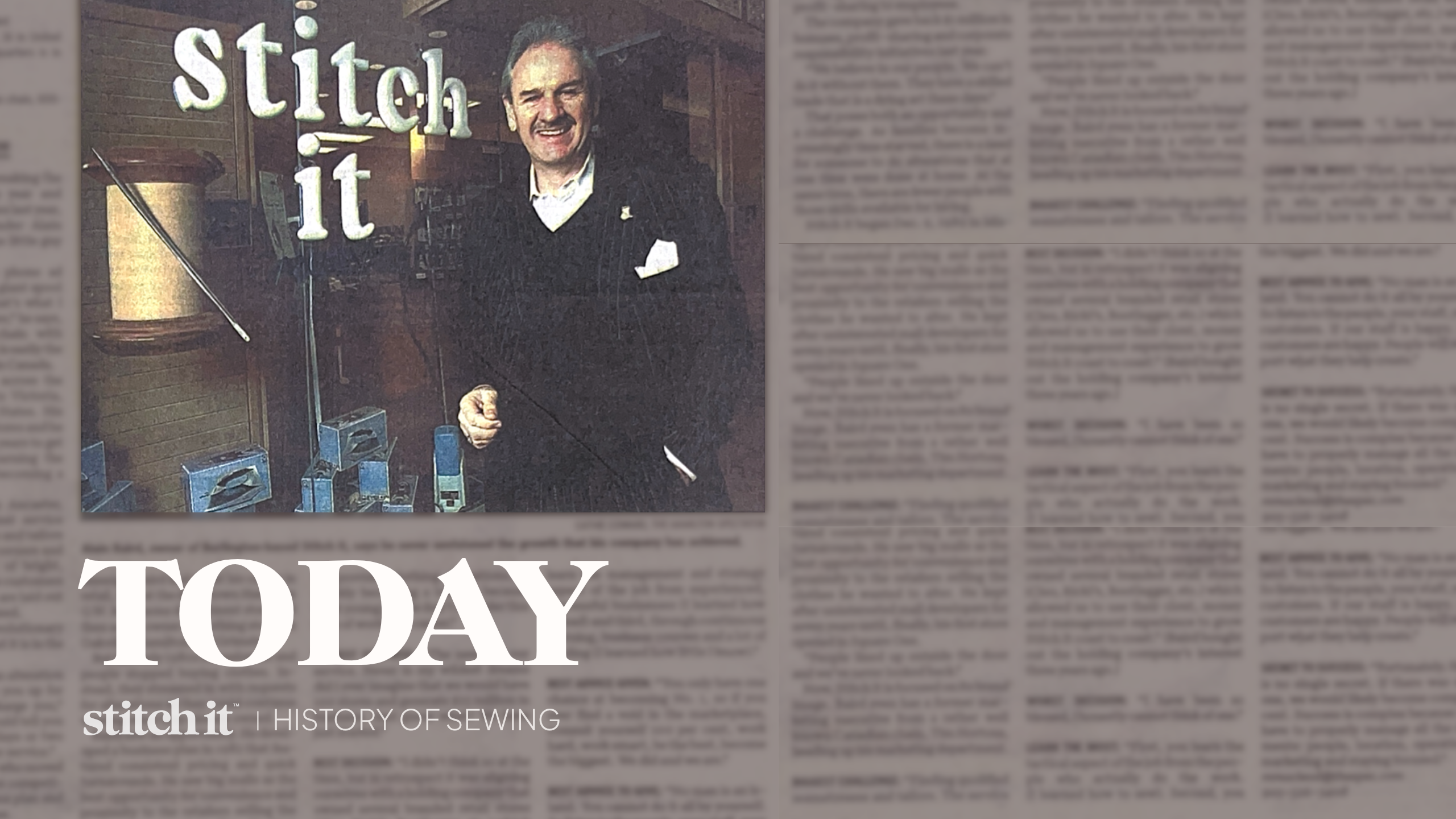
1989: Stitch It Arrives
In the late 20th century, clothing production had changed yet again. Mass-produced clothing was widely available and sewing was no longer a necessity for the everyday person. However, clothes still needed to fit, and clothing still needed to be repaired. That’s where Alain Baird saw an opportunity.
In 1989, the first Stitch It location opened at Square One Shopping Center in Mississauga, Ontario. This marked the beginning of a Canadian company solely focused on professional clothing alterations and repairs.
With the opening of that Square One location, the latest chapter in the long history of sewing was continuing to be written. From stitching hides together and repairing garments for warmth, to modern professionals adjusting a suit jacket or doing a pant hem while you shopped in the mall, sewing has always allowed for the clothing needs of people to be met.
The Story Continues
Thousands of years after people first stitched animal hides together for protection, we’re still using the same basic skill to solve a very familiar problem: making clothing fit.
At Stitch It, we’re proud to be part of this long history. While the tools, techniques, and even the clothing that we work with have evolved, the purpose of sewing remains much the same: helping people make the most out of the clothes that they wear.
Since 1989, Stitch It has brought the skill, tradition, and passion of professional alteration services into the modern retail experience. From a simple hem or repair, to more complex alterations, our goal is to help Canadians from coast-to-coast get the perfect fit and keep the clothes they love looking and feeling their best.