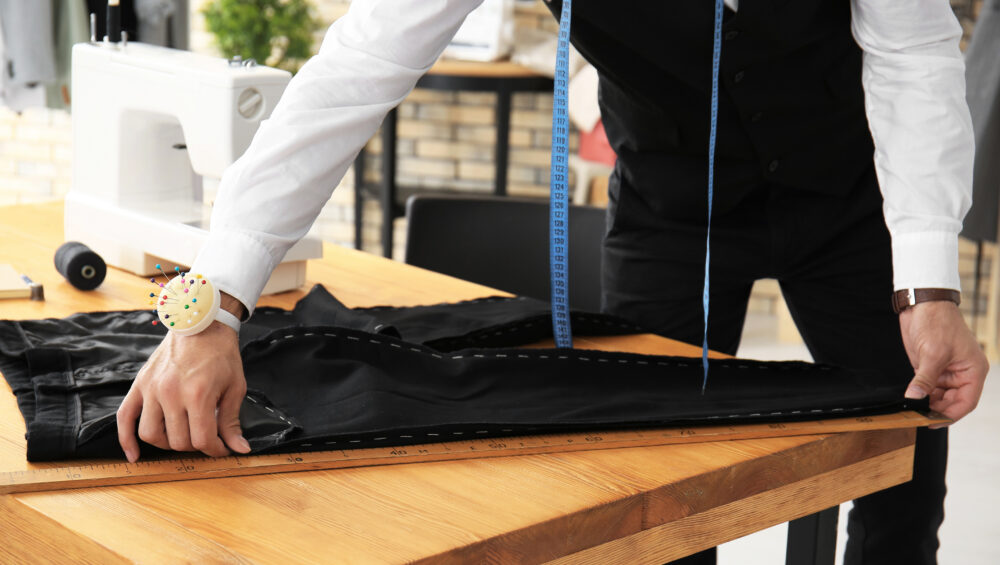
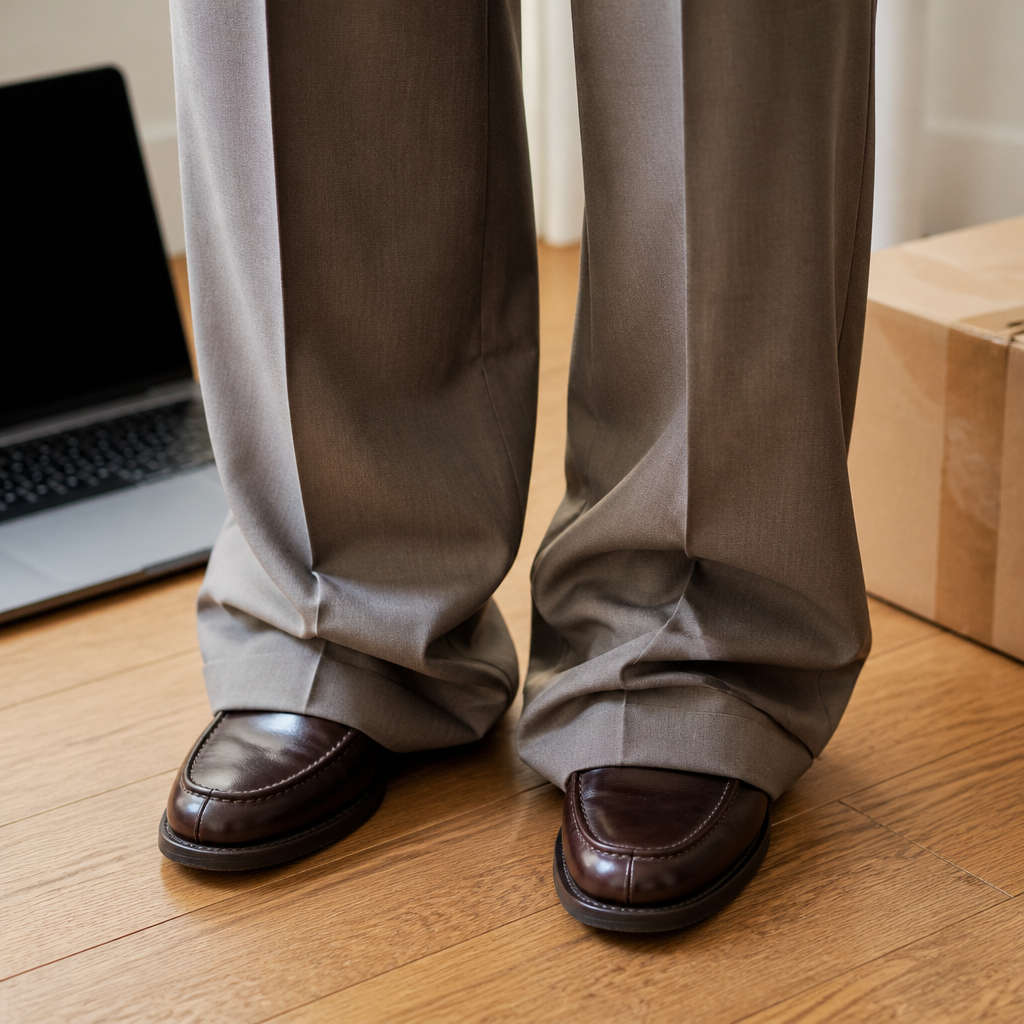
You checked the size chart, ordered your usual waist, and the pants arrived with the hem pooling over your shoes. It is one of the most common frustrations with online shopping, and the good news is that pants alterations are among the simplest fixes a tailor handles. The harder part is knowing which option to ask for. A straight hem, a tapered leg, a cuff, or a changed break each alters how the pants sit, and each takes a different amount of time and money. Here is how we walk customers through the choices, what each one does to the garment, and where people tend to go wrong.
Table of Contents
- Quick Takeaways
- Measure Before You Panic
- Why Online Pants Often Arrive Too Long
- What a Tailor Actually Does When Hemming Trousers
- Options Beyond a Standard Hem
- Choosing a Length for Your Style
- How Fabric and Construction Change the Job
- Comparing Your Main Options Side by Side
- Timing, Pricing and the 30-Day Fit Guarantee
- What to Ask a Tailor Before You Hand Over Pants
- Mistakes That Ruin a Good Hem
- Frequently Asked Questions
- References
Quick Takeaways
| Key Insight | Explanation |
|---|---|
| Measure the pants you already own | Lay your best-fitting pair flat next to the new one and compare the inseam from the crotch seam to the hem. |
| Decide on the break before hemming | The break is where the fabric meets the shoe, and it sets the final look more than the length number does. |
| A standard hem fixes most length problems | If the pants are only too long and not too wide, a straight hem is usually the right and quickest fix. |
| Check the fabric before the scissors come out | Cotton, raw denim, and some wool blends can shrink, so washing once before hemming avoids a hem that is short after laundering. |
| Bring the shoes you plan to wear | Heel height changes where a hem should land, and a fitting in socks or flats often produces a hem that looks wrong later. |
| Ask for combined work when needed | Pants that are both long and wide need a hem and a taper, so request a single quote for both adjustments. |
| Confirm the 30-Day Fit Guarantee at drop-off | Ask what the guarantee covers when you drop off the pants so there are no surprises if the fit still feels off. |
Measure Before You Panic
Before you bring anything in, find out how much fabric you are actually dealing with. Many shoppers decide a pair is “a little long” and drop them off without measuring, then discover the problem is three inches rather than one. Measuring first tells the tailor what to plan for and tells you whether the pants can be fixed in the way you want.
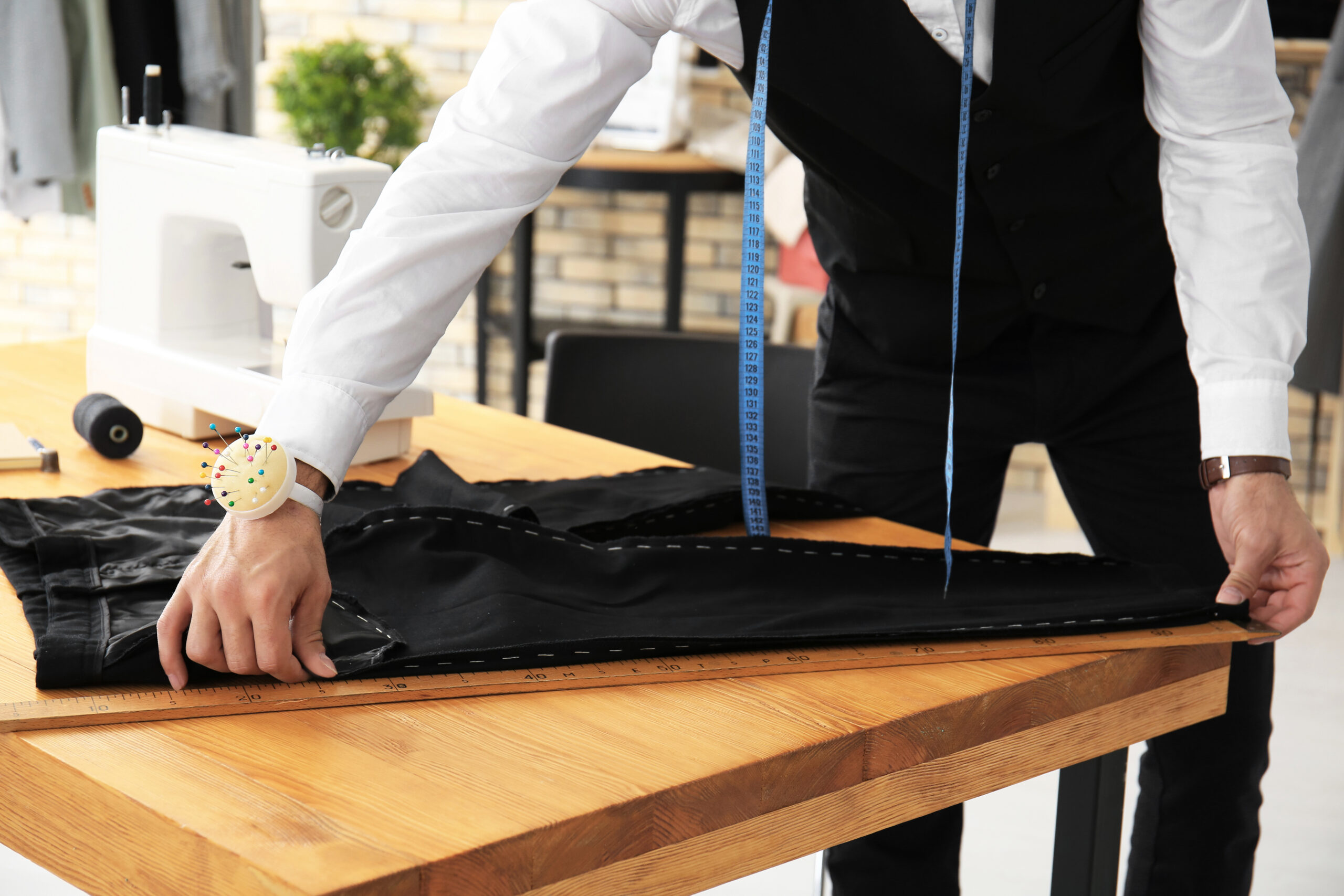
Start with the inseam, which runs from the crotch seam down the inside of the leg to the hem. Compare it with a pair you already wear and like. Then look at the finished hem height: how much of the leg falls to the shoe, and whether it breaks, stacks, or hovers above the laces.
Comparing the Inseam With a Pair You Own
Lay both pairs flat on a table, aligned at the crotch seam, and measure from that seam to the hem on each. The difference is the amount of fabric the tailor has to remove, assuming you want the same finished length. Write the number down. It turns a vague “too long” into a clear instruction you can give at the counter.
Checking Where the Hem Lands on Your Shoe
Stand in front of a mirror wearing the shoes you use most often. A hem that sits at the top of the shoe with a slight fold is a break. A hem that bunches over the laces is too long, and one that stops above the ankle bone is too short. Those observations matter more than any number printed on a label.
Decide on the break before the scissors come out. Most hemming complaints begin with a length that was chosen by guesswork.
Why Online Pants Often Arrive Too Long
Pants bought online come with a sizing system you cannot try on, and length is the measurement most likely to be off. Many retailers list an inseam for each size, but that figure is a target from a model or a pattern block, not a promise of how the pants will fall on your body. Shorter shoppers often end up with pants that are long in the leg because they bought a size with a longer inseam to get the waist right.
Waist First, Length Second
A common pattern is that customers choose the waist size they know, then accept whatever length arrives. Waist adjustments are possible in many cases, but a large change in length is the more visible problem. Pick the waist that fits, then plan to take up the length. That order keeps the garment’s shape intact.
Fabric That Changes After Washing
Some fabrics, especially cotton twill, raw denim, and certain wool blends, may shrink or relax after the first wash. A pair that looks right in the fitting room can end up short after laundering. That is why we ask whether a garment has been washed before we set its hem, since it is far better to know before the work begins.
Shoppers across Canada who buy from international brands face another wrinkle: charts may use different conventions. Read the size guide closely and check whether the inseam is listed in centimetres or inches. A two-inch misreading is enough to turn a good order into a pair of pants that drags.
What a Tailor Actually Does When Hemming Trousers
A standard trouser hem removes fabric from the bottom of the leg, folds the remaining length up, and stitches a new hem that matches the original. The work is done from the inside, so the stitching stays hidden. For most dress and casual trousers, this is the fix that solves the problem.
The key word is matching. The new hem should keep the same width as the original and use the same stitch type. On a lined pair, the lining is usually shortened separately so it does not bunch, and on a pleated pair, the pleats must still fall correctly once the hem is removed.
Keeping the Original Break
The break is the small fold or crease that forms where the trouser meets the shoe. A full break gives a visible crease and a traditional look. A quarter break, or almost none, keeps the fabric just touching the shoe and looks cleaner on slimmer pants. Tell the tailor which one you want before the hem is pinned, because changing the break after the fact means redoing the work.
Hem Width and Stitch Type
Hem width matters because a hem that is too wide can look bulky, while one that is too narrow may pucker. Matching the stitch type is where many hems fail. A machine straight stitch looks different from a blind hem, and an experienced tailor will reproduce what the pants came with rather than substitute a stitch that is easier to sew.
Pro tip: Bring the exact shoes you plan to wear with the pants. Heel height can change where the hem should land by a noticeable margin, and a fitting done in socks or flats often produces a hem that looks too long once you are dressed.
Options Beyond a Standard Hem
A straight hem is the default, but it is not always the right answer. Sometimes the pants need a different solution because of their cut, their fabric, or the look you want. These are the other options a tailor is likely to suggest, along with the situations where each one makes sense.
Tapering the Leg
Tapering takes in the leg from the thigh or knee down to the ankle, removing fabric along the inside or outside seam. It is useful when pants are cut too full through the lower leg and look baggy even after the hem is fixed. Tapering is a bigger job than hemming and changes the silhouette, so use it when the pants are long and also wide at the bottom, not as a shortcut for length alone.
Adding a Cuff
A cuff, also called a turn-up, folds the excess fabric up on the outside and stitches it in place. It suits wool trousers when you want a classic look, or when the fabric is too heavy to hem neatly. Cuffs add weight and width to the bottom of the leg, so they work better on relaxed cuts than on slim trousers. Because a cuff is a style choice, not a hidden fix, discuss it before you commit.
When Shortening the Inseam Makes Sense
Shortening the inseam means taking fabric from the crotch seam rather than the bottom of the leg. It is uncommon because the seat and rise have to stay correct after the change. It is usually only worth discussing for pants that are too long in the rise and the leg together, such as a cut designed for a much taller frame. Ask your tailor to assess the garment before you pay for the work.
Choosing a Length for Your Style
The right length depends on the silhouette. Slim trousers look cleanest with little or no break, while relaxed cuts can carry more fabric at the hem without looking untidy. Before you choose a length, look at how the pants will be worn, not only how they look on a hanger.
Slim and Tailored Pants
Slim trousers and dress pants with a narrow leg usually look best with minimal break. The hem should sit just at the top of the shoe, with the front of the trouser slightly lifted. Too much fabric here looks sloppy because it bunches at the ankle and throws off the proportions of the whole outfit.
Relaxed and Wide-Leg Pants
Wide-leg and relaxed trousers can take a full break without looking careless, especially in lighter fabrics that fall into soft folds. The trick is even length at the front and back. Tailors often pin the back a little longer to allow for how the trouser sits over the heel, and a hem that is perfectly level all the way around usually looks off on a relaxed cut.
Pro tip: Ask the tailor to check the length while you stand, walk, and sit down. Fabric can drop or ride up depending on posture, so a hem that looks right on a flat fitting can ride too high or pool once you move.
How Fabric and Construction Change the Job
Not all trousers respond to hemming in the same way. Fabric weight, lining, pleats, and the type of stitch on the original hem all affect what a tailor can do and how long it will take. Knowing these details before you drop off the pants saves time at the counter.
Denim and Chain-Stitch Hems
Jeans and many casual pants use a chain stitch or a visible double stitch on the hem. Recreating that look means matching both the stitch pattern and the thread colour. Raw or heavy denim is stiff, so it needs careful pressing after it is hemmed. If the original hem shows a decorative stitch, ask whether it can be reproduced rather than replaced with a plain line.
Lined Wool and Tailored Trousers
Wool trousers often have a lining that must be shortened along with the outer fabric. If the lining is left too long, it pulls on the fabric and creates a ridge along the inside of the leg. If it is cut too short, it bunches at the hem and looks cheap. Ask whether the lining will be adjusted, because it is a standard part of good work but not every shop does it automatically.
Pleated and Cuffed Pants
Pleats start at the waist and must stay aligned when the hem changes. A tailor who ignores pleat alignment can leave a twist at the front of the leg. Cuffed pants need a consistent cuff width, so the cuff should be opened, adjusted, and re-sewn rather than simply trimmed. Both jobs take more time than a plain hem, and both should be priced that way.
Comparing Your Main Options Side by Side
When you are weighing options, it helps to see the trade-offs in one place. The table below compares the three approaches that come up most often for pants that are too long.
| Approach | Best For | Trade-off |
|---|---|---|
| Standard hem | Dress and casual pants that are only too long | Keeps the original shape, but does nothing about excess width |
| Taper the leg | Pants that are long and also too wide at the ankle | Changes the silhouette and costs more than a hem |
| Cuffed hem | Wool and heavier trousers with a classic look | Adds width and sets a fixed fold line that cannot be moved later |
One practical note: if the pants are both long and wide, a hem alone will leave the legs looking baggy. Ask for both adjustments at the same time and request a single quote, so you can compare the full cost against a replacement pair.
Timing, Pricing and the 30-Day Fit Guarantee
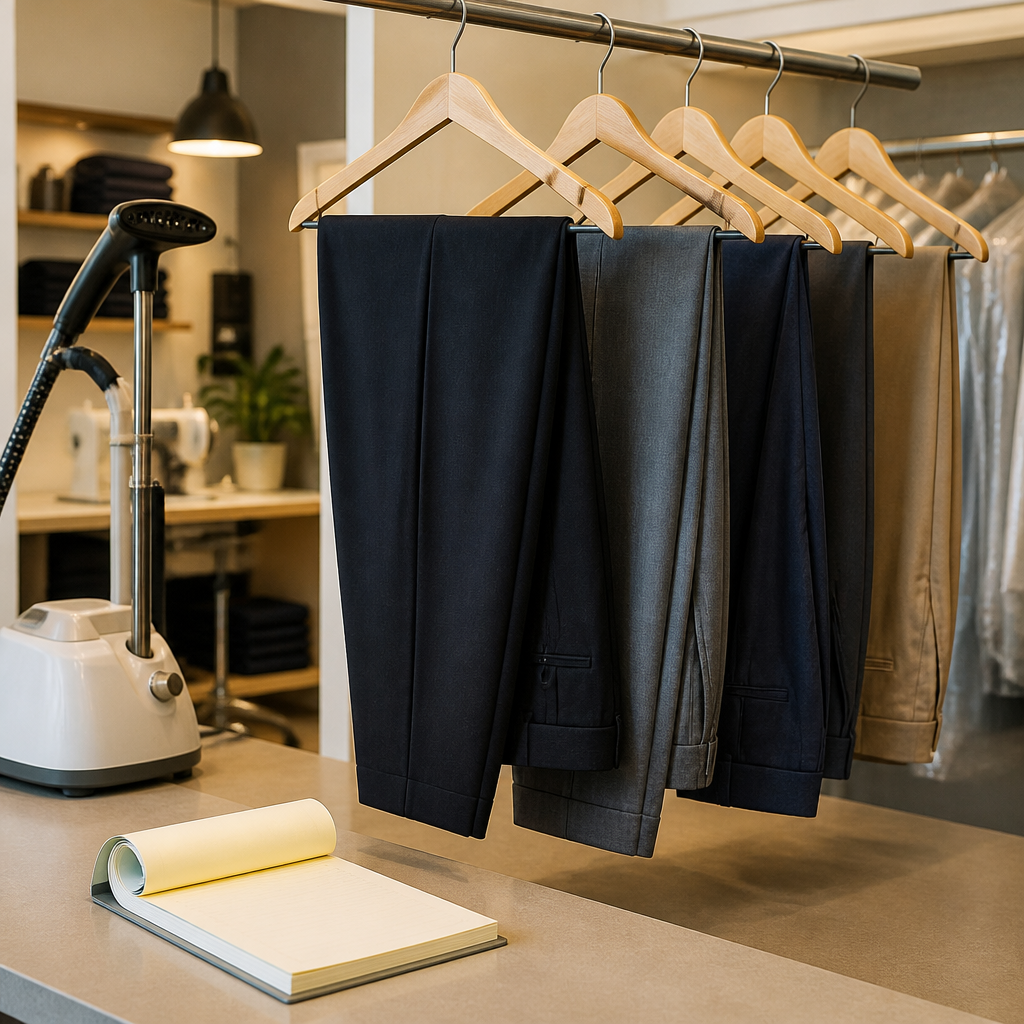
Hems are usually the fastest alteration on the list, which is why they are often the first job customers bring in. Stitch It offers hems starting at $14.89, with the final price depending on the garment, the fabric, and any extra work such as tapering or lining adjustments. Ask for a clear quote before the work begins so you know exactly what is included.
What Starting Prices Cover
The starting price generally covers a standard hem on a basic pair. Specialty work such as cuffs, tapering, lined trouser adjustments, or matching a decorative denim stitch can change the total. The advantage of asking up front is that you can decide which adjustments you want before the pants leave your hands.
Same-Day and Rush Options for Walk-Ins
Same-day and rush services are available for walk-ins, which helps if you need a pair for a wedding, an interview, or a work event within the week. Rush work usually costs more and depends on the workload that day, so ask at the counter when you drop the pants off rather than assuming a timeline.
The 30-Day Fit Guarantee gives you a safety net if the fit still is not right after the work is done. Ask about the terms at drop-off so you know exactly what the guarantee covers before you leave.
What to Ask a Tailor Before You Hand Over Pants
Not every tailor handles pants the same way, and a good pair of trousers can be ruined by rushed work. A few questions at the counter will tell you a lot about how the job will go.
Ask to See the Hem Work
Ask whether you can look at the inside of a finished hem on a sample or a previous job. Clean stitching, consistent width, and no puckering are signs of experienced work. If your pants have a visible hem stitch, ask how the tailor plans to match it.
Confirm the Break and Shoe Height in Writing
Tell the tailor which break you want and which shoes you will wear, then ask them to note it on your ticket. This simple step prevents the most common complaint about hemmed pants: they look right in the store and wrong in real life.
Mistakes That Ruin a Good Hem
Most bad hems come from a handful of predictable errors, and nearly all of them are avoidable. Knowing what to watch for helps you catch problems at the fitting rather than after you have worn the pants out.
Hemming Before the First Wash
If the fabric might shrink, wash it once before the hem is set. Otherwise the pants can end up short after the first laundering, and the fix is another alteration. Check the care label, and ask the tailor whether they recommend pre-washing for that fabric.
Trying On Pants in Socks or Flats
Socks and flat shoes change the hem height. Wearing the wrong footwear at the fitting is one of the most common reasons a hem looks off on the day you actually wear the pants. Bring the shoes you plan to use.
Accepting a Hem That Looks Uneven at the Back
The front of the trousers often looks right while the back sits too long. Check the back carefully in a mirror before you leave the counter. A small adjustment at the fitting is quick and easy, but correcting a second hem costs time and patience.
Frequently Asked Questions
How much does it cost to hem pants?
Hems at Stitch It start at $14.89, but the final price depends on the garment and any extra work such as tapering or lining adjustments. Ask for the total before the work begins so there are no surprises at pickup.
How long does a pants hem take?
Timing depends on workload and the complexity of the garment. Same-day and rush services are available for walk-ins, so ask at drop-off which timeline applies to your pants.
Can a tailor fix pants that are both too long and too wide?
Yes. A hem solves the length, while tapering reduces the width through the leg. Ask for both adjustments at once so the tailor can plan the work and give you a combined quote.
Should I wash pants before they are hemmed?
If the fabric is likely to shrink, such as cotton, raw denim, or some wool blends, washing once before hemming helps avoid a hem that is too short after laundering. Check the care label first and ask the tailor for advice.
Can a tailor shorten the inseam on pants bought online?
It is possible but uncommon. Shortening the inseam changes the crotch and rise, which makes it more involved than a hem. Ask a tailor to assess the pants before you commit to the work.
What should I bring to a pants alteration appointment?
Bring the pants, the shoes you plan to wear with them, and a clear idea of the break you want. If you own a pair that fits well in length, bring it along for comparison.
Have you ever had online pants come back from the tailor looking worse than you expected, and what would you do differently next time?