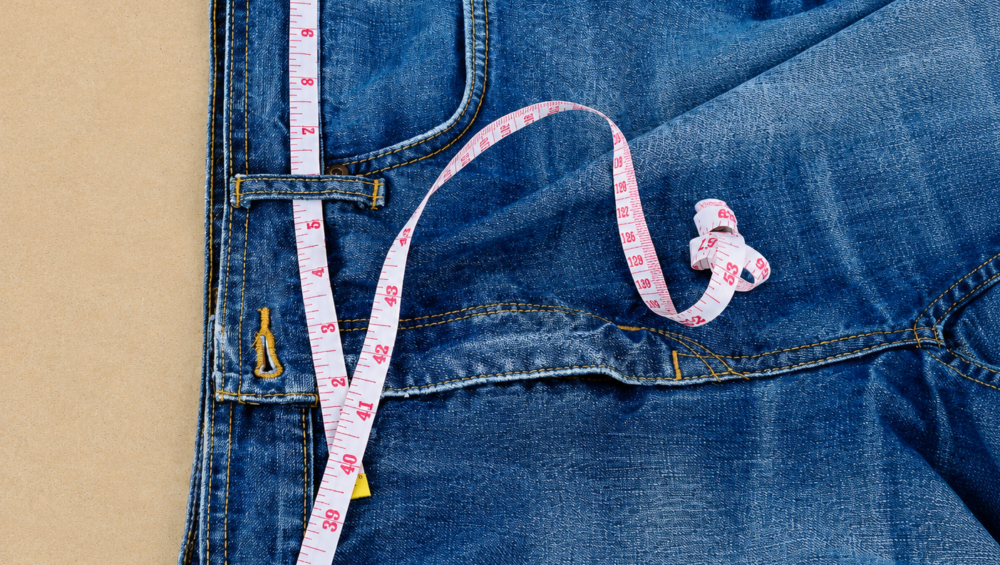
Most people who bring in a pair of jeans assume a hem is the whole job. In practice, the hem is often the simplest change a pair needs. A baggy seat, a leg that flares past the ankle you want, or a waistband that gapes at the back can make a pair look borrowed even when the length is perfect. Good jeans alterations start with the whole silhouette. This guide covers tapering, waist suppression, and the denim hem options that tailors actually choose between, along with the limits that keep a pair comfortable and wearable after the work is done.
Table of Contents
- Quick Takeaways
- Why Jeans Need More Than a Hem
- Tapering Jeans
- Jean Waist Alteration
- Denim Hem Options
- Choosing Between Denim Alterations
- Repairs That Hold
- Frequently Asked Questions
- References
Quick Takeaways
| Key Insight | Explanation |
|---|---|
| Fit the seat and thigh first | Taking in the leg before the seat is right can leave a pair pulling across the back. Check the rise and seat before you mark the hem. |
| Taper from the knee for most cuts | A taper that starts at the ankle often looks like a tight cuff. Starting at the knee keeps a clean line through the leg. |
| Keep waist changes modest | Large takes distort the back yoke and pull the back pockets out of place. If you need more change than that, a different size may fit better. |
| Choose the hem before cutting | Raw, cuffed, and original hems each need different allowances. Deciding after the cut usually means the length was wrong to begin with. |
| Keep the original hem when you can | Factory hems carry the stitch and wear pattern that make jeans look like jeans. Removing them can cost the workwear or vintage look. |
| Repair weak points before you alter | Worn crotch seams and loose pocket corners will tear again after a taper or waist change. Reinforce them first. |
Why Jeans Need More Than a Hem
Most customers ask for a hem because length is the easiest thing to see in a mirror. The problems that bother people every day usually sit above the knee: a seat that sags, a thigh that pulls, or a waist that gaps when they bend over. Those are the fit issues that make jeans feel wrong, and they rarely get fixed by shortening the leg alone.
A pair of jeans is a set of connected seams. Change one part and the others respond. Shortening a leg moves the crotch line, and taking in the waist shifts the back pockets. A useful alteration plan begins by checking how the pair behaves when you sit, squat, and walk, not just when you stand still on the fitting mat.
Reading the Wrinkles Before You Mark Anything
Horizontal wrinkles across the back of the thigh usually mean the seat or thigh is too snug, and no hem will solve that. Diagonal pulling lines running toward the crotch often point to a seat that sits too low for the body. Drag lines near the front of the crotch can mean the rise is short. Each pattern points to a different fix, so it helps to name the problem before picking the alteration.
In practice, the most common mistake is treating a fit problem as a length problem. A pair that sags in the seat will keep sagging after a perfect hem. Spend the first few minutes on the wrinkles, then decide what to change.
A pair that fits well at the waist and seat can take a dramatic leg change. A pair that fits poorly through the seat will look worse no matter how clean the hem is.
Pro tip: Bring the shoes you plan to wear with the jeans. Heel height changes where the hem lands, and a hem marked in flat socks can end up too long or too short once you are in heels or boots.
Tapering Jeans
Tapering means narrowing the leg from a chosen point down to the hem. It is the most requested change after length, and it is also the one that most often goes wrong when the starting point is guessed. A taper changes the line of the whole leg, so the decision about where it begins matters as much as how much fabric comes out.
Where the Taper Should Start
For a slim straight look, a taper that starts at the knee tends to read as intentional. For a relaxed tapered look, starting lower, around the calf, keeps more room through the thigh while still narrowing the ankle. A taper that begins at the ankle usually makes the cuff look tight and can make the leg appear shorter than it is.
Wide-leg cuts need more fabric removed, and that can change the balance between the inseam and the outseam. Mark both sides so the two legs match. A common mistake is marking the taper on one leg and copying it to the other without checking that the seams still line up.
Pro tip: Mark the taper with the jeans inside out and lying flat on the table, not on your leg. Working flat keeps both legs symmetrical and makes it easier to see where the original topstitching needs to be unpicked.
Stacked and Distressed Legs Need Extra Care
Distressed or frayed hems complicate tapering because the fabric at the bottom is often already worn thin. Some tailors can remove the distressed section entirely, then reattach the original frayed edge from the inside. That method preserves the look, but the join is a compromise, and it will be visible up close.
Stacked legs, where extra fabric bunches at the ankle, need the taper to start higher so the fabric lies smoothly. Cut too low and the leg will crease at the shin. Ask for a test fold before the final sewing if the denim is stiff, because raw or heavily sized denim can show seam marks that disappear after a few washes.
Jean Waist Alteration
Waist suppression takes fabric out of the back of the waistband, usually at the center back seam, and tapers the change back up toward the yoke. It is one of the most useful fixes for jeans that fit the hips but gap at the back. It is also one of the easiest changes to overdo.
How Much a Waist Can Come In
A modest take in is usually clean and wearable. A large take is where problems start. Denim is stiff, and when too much fabric comes out of the back, the yoke gathers, the waistband rolls, and the pair can sit differently when you sit down. If the gap is more than a small amount, a different size in the seat with a waist change may serve you better than one large change.
Button-fly and zip-fly jeans respond differently. A button fly leaves less room for the front rise to move, so the waist work has to stop short of the fly. Ask the tailor to show you how the front will sit before the back is sewn.
Back Yoke, Pockets, and Belt Loops
The back yoke is the part of the waistband where the back pockets are anchored. When the waist comes in, the pockets can drift inward or tilt. Check them after the work, while the jeans are still on the table, because a crooked pocket is hard to fix once the stitching is set.
Belt loops are another detail that gets missed. Each loop should stay aligned with the side seam after the change. If a loop ends up angled, the belt will pull the waistband forward, and the pair will never sit right no matter how well the rest was done.
Pro tip: Ask for the back pockets and belt loops to be checked after the waist work. Pockets and loops are the first details people notice, and they are cheap to correct before the garment leaves the shop.
Denim Hem Options
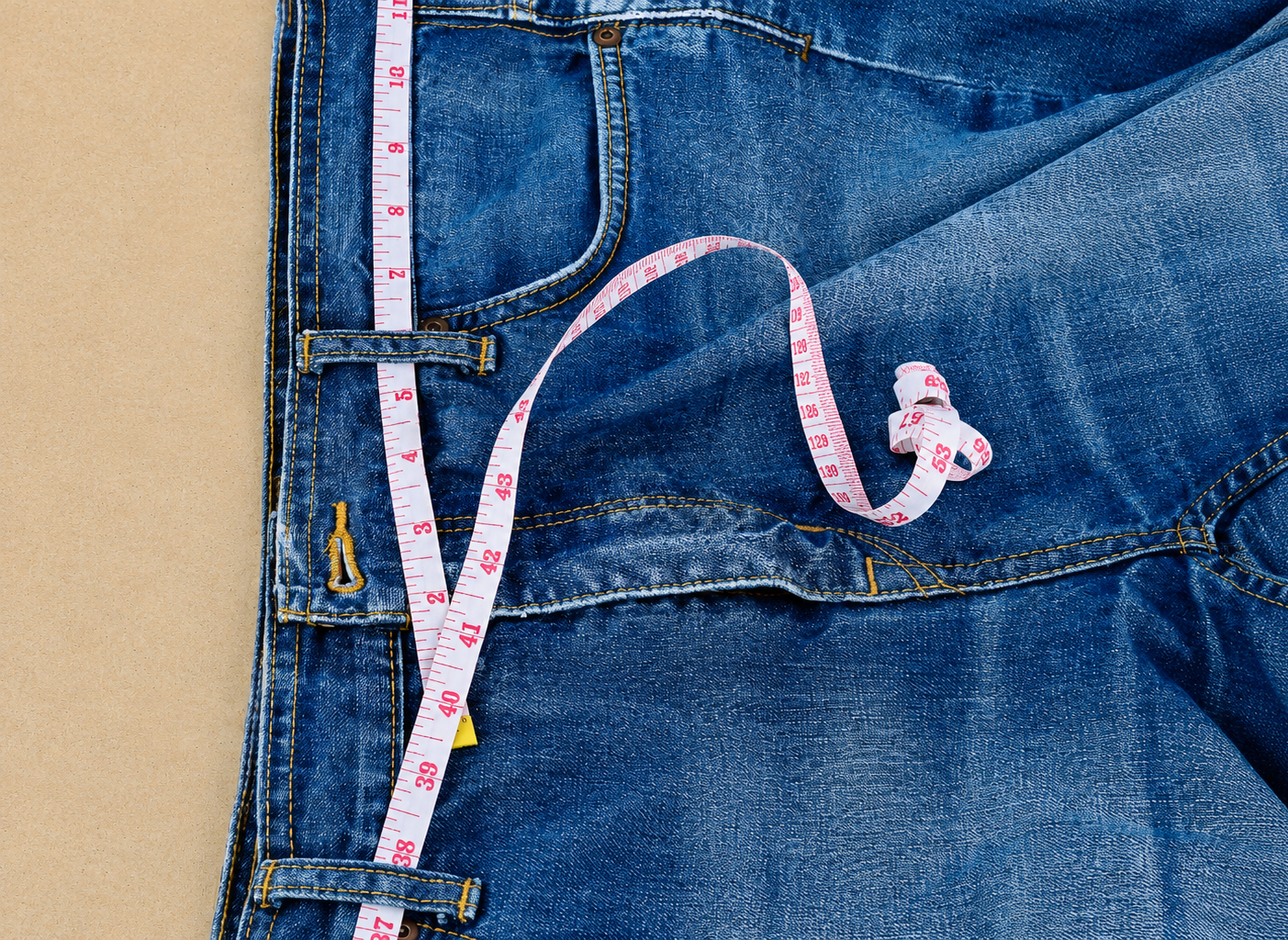
A hem is the finish that makes the length look deliberate. Denim offers three common choices, and each one changes how the leg falls and how much fabric is needed. Choose the finish before any fabric is cut, because the allowance for each finish is different.
Keeping the Original Hem or Stitch Line
When the original hem is intact, keep it whenever possible. Factory hems often use a chain stitch and a specific seam finish that gives jeans their look. Removing that hem and sewing a new one by machine can make the jeans look like altered clothes rather than the pair you bought. If the original hem is sound, shorten by moving the cut above it, not by replacing the finish.
Raw Edge and Cuffed Finishes
A raw edge is a frayed finish that many people want on dark or rigid denim. It needs a seam or a controlled fray to stop unraveling in the wash. Expect the edge to fray more with each wash, and plan for that when you choose the length. A raw edge that falls too short will fray above the shoe line, which can look unfinished.
Cuffs add length without losing the leg shape, but they need extra fabric. The cuff depth should match the body of the jeans, and a deep cuff on a slim leg can look bulky. Cuffs also sit differently with boots, so measure with the footwear you plan to wear most.
Our hems start at $14.89 for standard work, but a hem that needs a new finish or a deep cuff costs more because the process takes longer. Ask for the finish before you drop the pair off, so the price and the length are set together.
Choosing Between Denim Alterations
Most denim problems can be solved in more than one way, and the right choice depends on where the fit fails. A pair that is baggy in the leg and fine in the seat calls for a taper. A pair that gapes at the back calls for a waist change. A pair that is only too long needs a hem and nothing more. The table below compares the three most common options.
The trade-offs matter. A taper can lose some of the original silhouette, especially on a wide-leg cut. A waist change can shift the pockets. A hem does nothing for fit above the knee, so it should not be the answer to a problem that starts higher.
| Alteration | Best For | Main Trade-off |
|---|---|---|
| Tapering the leg | Straight or relaxed jeans that feel too wide from knee to ankle | Changes the original silhouette and can strain thin seams if the cut is steep |
| Waist suppression | Jeans that fit the hips and seat but gap at the back waistband | Large takes can pull pockets inward and make the yoke gather |
| Hem adjustment only | Jeans that fit well everywhere except length | Does not address seat, thigh, or waist fit, so it cannot fix a pair that sags |
When a pair needs two changes, such as a taper and a waist take in, do them in the right order. Start with the waist, because it sets the base line for the back. Then taper the legs, and hem last so the length is measured on the final shape.
Repairs That Hold
Alterations put stress on seams that were never built to carry it. A taper pulls on the side seams, and a waist take in moves the stress to the crotch and back yoke. Repairs made before the alteration, or as part of it, are the difference between a pair that lasts and one that splits within a month.
Reinforcing the Crotch and Pocket Seams
Crotch seams take the most strain when a pair is tapered or shortened. If the stitching is already thin, sew a second line of stitching inside the existing seam before changing the fit. Pocket corners are the other weak point, since the stress of a full pocket concentrates there. Reinforcing these first prevents a common failure where the alteration holds but the pair tears in the same place a week later.
Interfacing Behind Repairs
Interfacing gives a patch or repair a stable base, especially on worn denim. A quality cotton interfacing helps the repair blend with the fabric and keeps it from stretching as you move. Light interfacing suits lightweight denim, while heavier denim needs a firmer backing. Test the repair on a scrap of the same fabric when possible, because the wrong weight can make the area stiff or puckered.
Pro tip: Ask whether a zipper needs replacing before the waist or hem work begins. A zipper that catches or slides open will undo a good alteration, and fixing it first avoids reworking the front later.
Frequently Asked Questions
Can you taper jeans that already have a cuffed hem?
Yes, but the cuff has to be opened, the taper sewn, and the cuff rebuilt to the new leg width. Expect the job to take longer than a plain hem, and ask to see the cuff depth before the work starts.
How much can you take in at the waist without causing problems?
A modest take in is usually clean and wearable. Large changes distort the back yoke, pull the pockets inward, and can make the waistband roll when you sit. If the gap is significant, a different size in the seat with a smaller waist change often fits better.
Will a taper ruin the look of stiff raw denim?
It can change the look, but a skilled tailor can taper raw denim by unpicking the original seams carefully and resewing them to match. Ask for a test fold before final sewing, since stiff denim can show seam marks that soften after washing.
Should I alter jeans or buy a different size?
If the seat, thigh, or rise is wrong, alteration will only partly help, and a different size usually fits better. If the seat and rise are right and only the leg or waist needs adjustment, altering is the better choice.
How long does a denim hem alteration take?
Standard hems are often a same-day job for walk-in customers, while tapers, waist work, and new hem finishes take longer. Rush service may be available depending on the workload, so ask when you drop the pair off.
Have you had a taper or waist change on jeans that worked better or worse than you expected? Share your experience in the comments so other readers can learn from it.