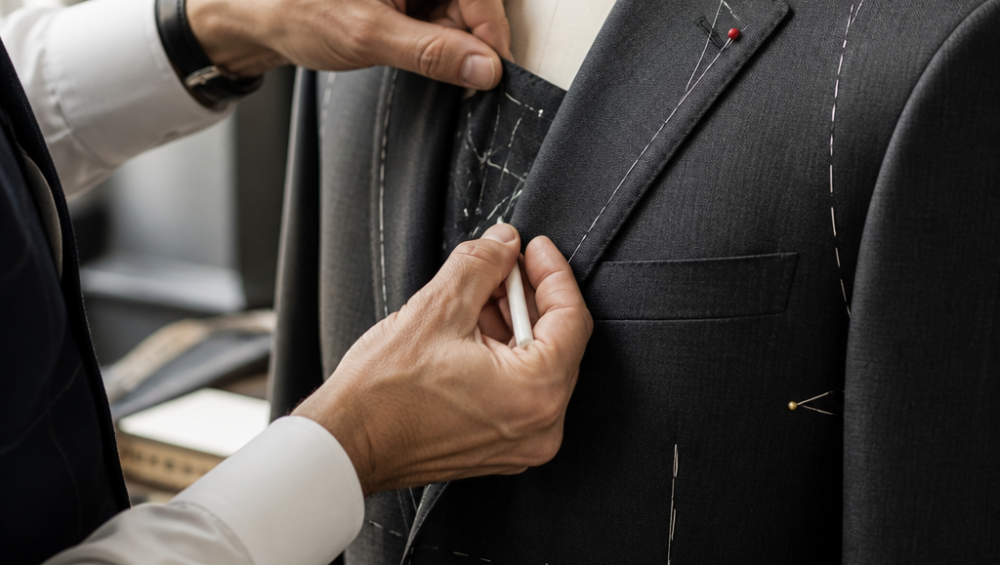
Most grooms walk into a suit shop, pick something that looks good on the hanger, and assume it will look just as good on the wedding day. It rarely does. Off-the-rack suits are cut to fit a statistical average, not your specific body, which means groom suit alterations are not optional extras. They are what actually make the difference between a suit that fits and one that photographs beautifully from every angle. This checklist covers every part of the suit, the alterations worth making, the ones to avoid, and the exact timeline to follow so you are never rushing in the final week before your wedding.
Table of Contents
- Quick Takeaways
- Why Groom Suit Alterations Matter More Than the Suit Itself
- The Jacket Alterations Checklist
- The Trouser Alterations Checklist
- Vest and Dress Shirt Alterations
- The Alteration Timeline: When to Book Every Appointment
- Comparing Your Alteration Approaches
- What Not to Alter: Alterations That Cause More Problems Than They Solve
- Frequently Asked Questions
- References
Quick Takeaways
| Key Insight | Explanation |
|---|---|
| Shoulders are non-negotiable | If the shoulder seams do not sit at your natural shoulder point, no other alteration can save the jacket. Get the right size first. |
| Bring your full outfit to every fitting | Your dress shirt and wedding shoes directly affect how sleeve length and trouser hem are measured. Never arrive in jeans and sneakers. |
| Sleeve length is the most visible alteration | Aim for about one quarter to one half inch of shirt cuff showing beyond the jacket sleeve. This single detail reads as polished in every photo. |
| Book alterations at least six to eight weeks out | Popular tailors fill up fast, especially during peak wedding season. Jacket work can take up to three weeks alone, so front-load your timeline. |
| Taking in is always easier than letting out | It is almost always simpler and less expensive to reduce a garment than to add fabric. Buy slightly larger and tailor down. |
| Trouser hem depends on your shoe | The break of your trouser changes with the heel height and construction of your dress shoe. Wearing the right shoes to your hemming appointment is essential. |
| Rush and same-day services exist for a reason | A simple hem can often be done same-day. For groomsmen arriving close to the wedding, a professional shop with rush capabilities removes a major source of stress. |
Why Groom Suit Alterations Matter More Than the Suit Itself
No matter what a suit costs, an ill-fitting garment will look sloppy on the wedding day and in every photograph taken of it. Wedding suit tailoring is what bridges the gap between what comes off the rack and what actually fits your body. Jacket shoulders that ride too high, sleeves that swallow your hands, and trouser hems that drag on the floor are all fixable problems, but only if you plan for them in advance.
The practical reality is that off-the-rack suits are designed to fit a broad population. Your proportions, posture, and frame are specific to you. A skilled tailor works with the existing construction of the garment to reshape it around your measurements, not the other way around. This is exactly why the first step is not choosing a color or a lapel style. It is understanding which alterations are available to you and which are not worth attempting at all.
A suit that fits you precisely will always look more expensive than one that does not, regardless of what you paid for it. Fit is the single biggest signal of a well-dressed man.
At Stitch It, formalwear alterations are handled by experienced tailors who understand how suit construction affects what can and cannot be adjusted. Getting a professional assessment before committing to a specific alteration plan will save you both time and money.
The Jacket Alterations Checklist
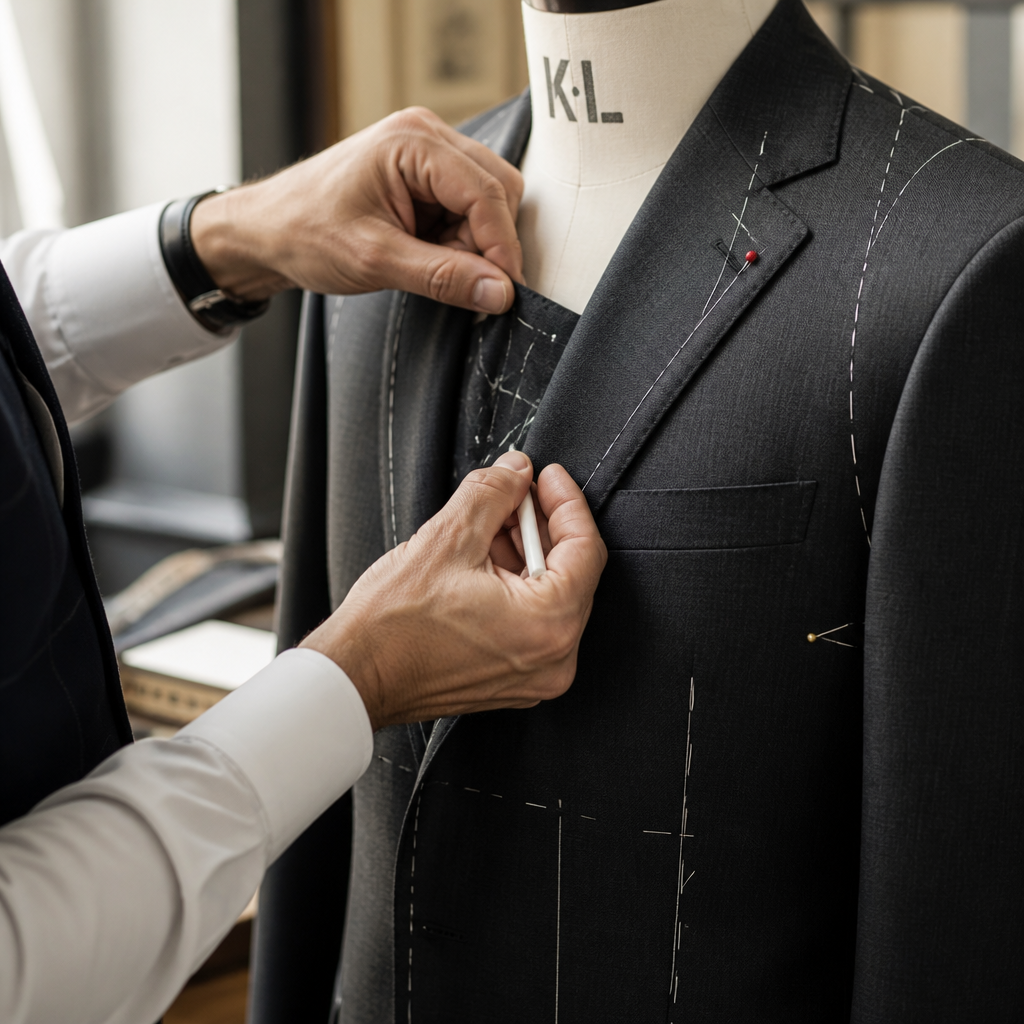
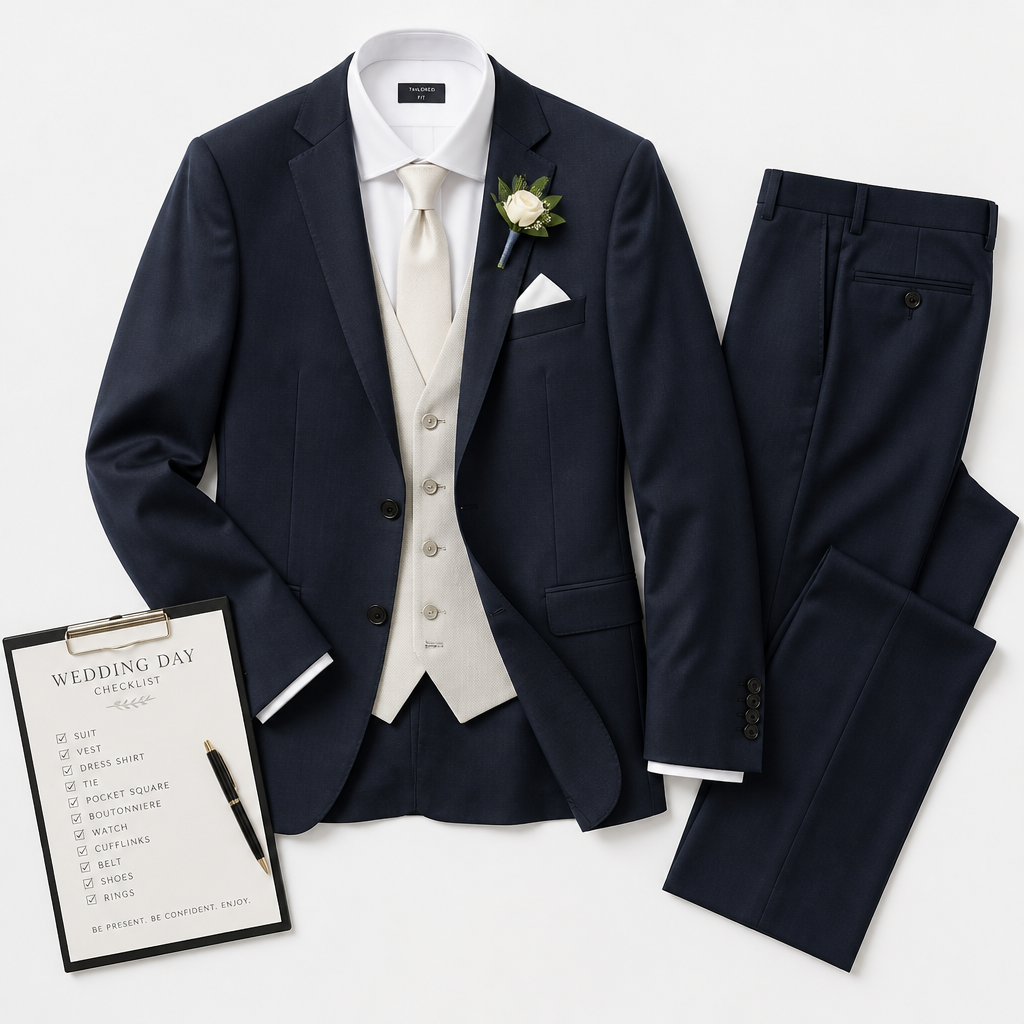
The jacket is the most complex piece of the suit to alter, and the area that determines whether the entire look succeeds or fails. Work through this checklist in order, starting with the areas that cannot be fixed at all before addressing the areas that can.
Shoulders: The Starting Point of Every Fit Assessment
The shoulder seam must sit exactly at the edge of your natural shoulder point, not extending onto your arm and not pulling inward toward your neck. If the shoulders do not fit correctly, no other alteration on the jacket can compensate. Shoulder reconstruction is extremely complex, expensive, and often changes the balance of the entire jacket. If the shoulders are wrong, the right move is to try a different size or a different cut, not to rely on a tailor to rebuild the garment from the top down.
Common shoulder issues like divots or bunching under the sleeve head are signs that the jacket size or fit style is wrong for your frame. Address this at the point of purchase, not at the tailor’s shop.
Jacket Sleeves: The Most Visible Measurement
Sleeve length is the alteration most people notice first, and it is one of the most straightforward adjustments a tailor can make. The standard target is to have approximately one quarter to one half inch of your dress shirt cuff showing beyond the jacket sleeve. Suit jackets typically carry enough seam allowance to allow for about one to one and a half inches of adjustment in either direction. However, if the jacket has functioning buttonholes on the cuff, shortening significantly may require relocating buttons and buttonholes, which adds to the cost and complexity.
Pro tip: Always bring the exact dress shirt you plan to wear on your wedding day to your sleeve-length fitting. Shirt sleeve lengths vary between brands and styles, so using a different shirt will give you an inaccurate measurement.
Jacket Body: Waist Suppression and Side Seams
Taking in the sides of the jacket creates a more tapered, modern silhouette through the waist. This is one of the most common and most effective alterations a tailor performs on a suit jacket. The goal is a clean line from the chest through the waist without pulling or bunching when you button the jacket. A tailor can also adjust the chest and waist width for a more fitted silhouette through waist suppression, shaping the jacket so it follows the natural taper of your torso.
Jacket length is a different matter. Shortening a jacket body is possible but significantly more involved than adjusting sleeves, since the vent construction and lower details must all be reset. If both the jacket body and sleeves need shortening, that signals a fit issue better solved at the point of purchase by selecting a shorter jacket length from the outset.
Collar and Lapels
A collar that lifts away from your shirt collar at the back is a sign of a posture or fit mismatch. A tailor can adjust the collar seam to bring it down and close that gap. Lapel width adjustments are technically possible but are considered major structural alterations that change the overall aesthetic of the suit significantly. Unless you are working with a very experienced tailor on a high-quality garment, lapel reshaping is rarely worth pursuing on a wedding timeline.
The Trouser Alterations Checklist
Trousers are the most accessible part of the suit to alter, and most grooms will need at minimum a hem adjustment and often a waist or seat tweak. These alterations are typically quicker to complete than jacket work and less expensive.
Trouser Hem and Break
The hem is the single most common suit alteration, and it directly affects how polished the overall look appears. The “break” refers to how much the trouser fabric rests on top of the shoe. A no-break or slight-break hem sits at or just above the shoe and reads as modern and clean. A full break with more fabric resting on the shoe is a more traditional look. Neither is wrong, but you need to decide before you go to the tailor, and you need to be wearing your actual wedding shoes when the hem is pinned.
Pro tip: A simple trouser hem is one of the fastest alterations a professional shop can complete. At Stitch It, same-day hem services are available for walk-ins, which is a practical option for groomsmen traveling in for the wedding who need a quick adjustment close to the date. Check Stitch It’s alteration services for current availability.
Waist and Seat Adjustments
Taking in the trouser waist is a standard, reliable alteration. If the seat is too loose or too tight, a tailor can adjust this as well, though the amount of adjustment possible depends on the seam allowance left in the construction. Letting out the waist beyond roughly one and a half inches becomes complicated because the back seam and seat shape need to be restructured at the same time. When purchasing, err slightly large in the waist and have it taken in rather than buying tight and hoping for fabric that is not there.
Leg Taper and Thigh Adjustment
Tapering the leg is a popular alteration for grooms who want a slimmer, more contemporary silhouette. A tailor removes fabric from the outer or inner seam of the trouser leg from the knee down to create a narrower opening. Significant thigh adjustment is more complex and carries higher risk of affecting how the trouser hangs, so keep expectations realistic if your thighs need a large adjustment.
Vest and Dress Shirt Alterations
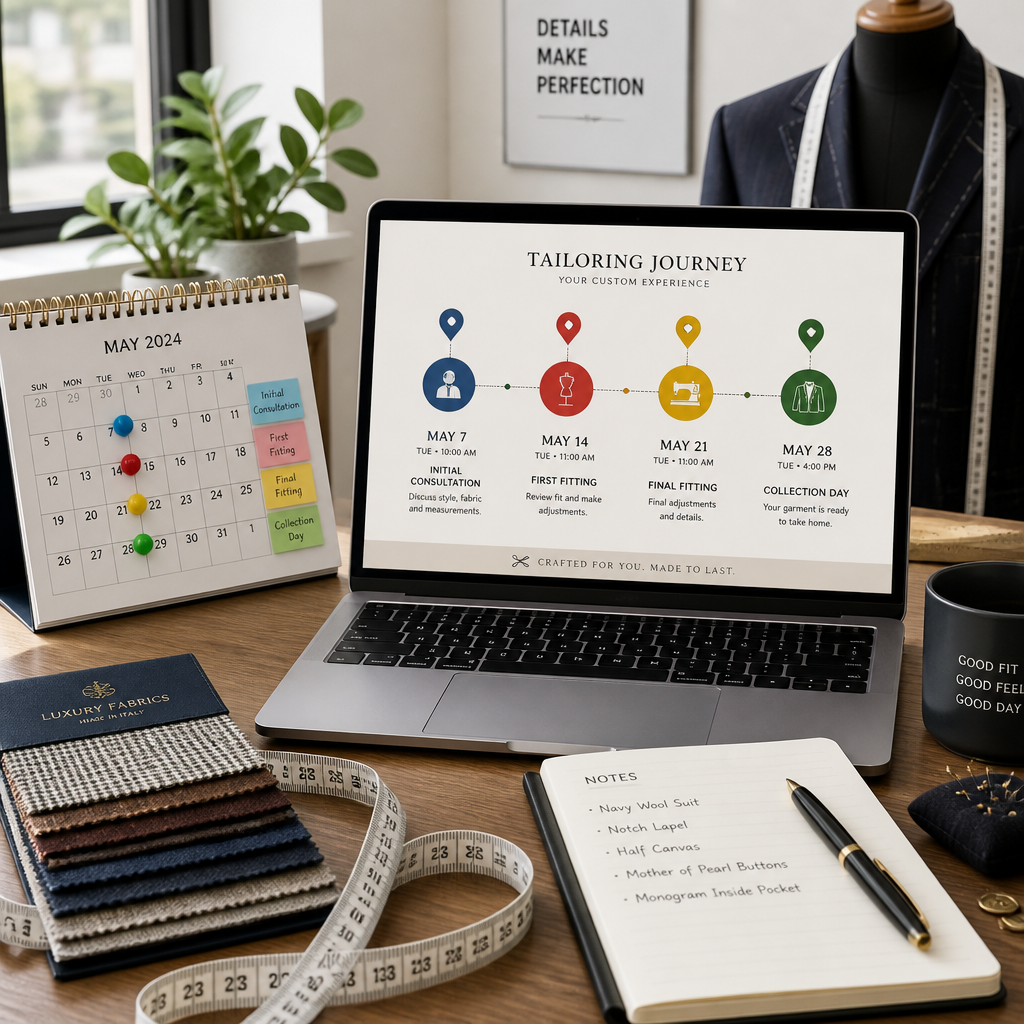
If the wedding suit includes a vest or waistcoat, fit matters just as much as it does for the jacket. A vest that is too long will bunch above the trouser waistband and ruin the line. A vest that is too short will expose the shirt between the bottom button and the trousers. A tailor can adjust vest length and take in the body for a cleaner fit, and most vests have a back adjuster strap that handles minor width changes without a full alteration.
Dress shirt alterations are underrated and underused by most grooms. A shirt tailored to your torso length and arm length will tuck cleanly, stay tucked throughout a long reception, and give your jacket sleeves the correct foundation to fall against. The most common shirt alterations are sleeve shortening and body tapering. If your shirt collar gap is wrong, it almost always means the shirt size is wrong rather than something a tailor should try to fix.
For grooms wearing formalwear such as a tuxedo, the shirt is an equally important element. Visit Stitch It’s formalwear alteration page for guidance specific to tuxedo and formal dress shirt adjustments.
The Alteration Timeline: When to Book Every Appointment
The timeline for groom suit alterations is more forgiving than bridal gown alterations, but that does not mean it can be left to the last moment. Jacket alterations in particular, which involve structural changes to the body and sleeves, can take up to three weeks at a busy shop. Factor that into your planning from the start.
A general timeline that works for most grooms:
- Three months before the wedding: Purchase your suit. Get an initial fitting assessment and identify all alterations needed. Book your alteration appointments at this stage, especially if the jacket needs structural work.
- Six to eight weeks before: Begin the alteration process, starting with the jacket. This gives time for two rounds of fitting if needed and handles any delays.
- Two to three weeks before: Final fitting with the complete outfit including dress shirt and shoes. Confirm hem length, sleeve length, and overall fit. Any last tweaks should be minor at this stage.
- One week before: Pick up the finished suit. Do not leave collection to the day before the wedding. If something needs a minor adjustment, you want time to address it.
For groomsmen who are traveling from out of town, same-day and rush alteration services are a practical solution. A simple hem can often be completed same-day or overnight. Stitch It offers rush services for walk-ins, which removes a significant source of anxiety for wedding parties where everyone is in from different cities.
Comparing Your Alteration Approaches
Grooms generally have three realistic routes for addressing suit fit before the wedding. Understanding the tradeoffs of each will help you make a practical decision based on your budget, timeline, and how fitted you want the final result to be.
| Approach | Best For | Key Limitations |
|---|---|---|
| Off-the-Rack with Professional Alterations | Most grooms. Broad selection, accessible price point, and a professional tailor adjusts fit after purchase. Effective for most body types with standard proportions. | Structural issues like shoulder fit or extreme sizing gaps cannot always be corrected. The suit’s seam allowance sets a hard limit on how much can be adjusted. |
| Made-to-Measure Suit | Grooms with specific proportions that consistently fail in off-the-rack sizing, or those who want a closer fit as a starting point. | Higher upfront cost. Lead times can be long (often eight to twelve weeks), and alterations may still be needed at delivery. Requires planning well in advance of the wedding date. |
| Rental with In-Shop Alterations | Groomsmen on a tight budget or for a single-use occasion where purchasing does not make sense. | Rental garments have limited seam allowance for alteration. Sleeve shortening and hemming are usually possible; waist suppression and tapering are often not. Fit results are less precise. |
What Not to Alter: Alterations That Cause More Problems Than They Solve
Knowing what to skip is just as important as knowing what to prioritize. Some alterations look straightforward on paper but create cascading fit problems when a tailor actually attempts them. Avoid the following unless you are working with an exceptionally experienced tailor and have adequate budget and time.
Shoulder and armhole reconstruction is the most commonly attempted alteration that should almost never be attempted. If the shoulder seam does not sit correctly, the right response is to find a different jacket, not to have the shoulder rebuilt. The armhole shape is integral to how the jacket allows movement, and altering it incorrectly creates restriction and distortion that cannot easily be undone.
Significant lengthening of any garment is risky. It is generally possible to add up to about an inch to jacket sleeves if seam allowance exists, but adding fabric to the jacket body length, trouser legs, or seat is almost always impossible since the original construction does not leave the material needed. This is the core reason why buying slightly larger and having items taken in is the standard professional advice.
Finally, avoid last-minute alterations on complex garments. A tuxedo jacket or a double-breasted suit has more internal structure than a standard single-breasted jacket. These garments need more time, and rushing a skilled tailor on a complex job increases the risk of an error that cannot be corrected before the wedding day. For complex formalwear alterations, book early and give the process the time it needs.
Pro tip: When you try on your suit for the final time before the wedding, move through the full range of motion you will go through on the day itself: sit down, reach across to shake a hand, hug someone, and walk up a step. Fit problems that only appear under movement are real problems. Better to find them at the final fitting than at the altar.
Frequently Asked Questions
How far in advance should a groom schedule suit alterations?
Six to eight weeks before the wedding is the recommended window for starting the alteration process. Jacket work is the most time-consuming and can take up to three weeks at a busy shop, so booking early is especially important during peak wedding season in spring and fall. Simple trouser hems can be completed in a couple of days and sometimes same-day, but jacket alterations require more lead time. Starting the entire process three months before the wedding gives you a comfortable buffer for multiple fittings and any unexpected adjustments.
What is the most important thing to bring to a suit alteration appointment?
Bring your complete wedding outfit, specifically your dress shirt and your dress shoes. Sleeve length is measured against your shirt, not just your arm, so wearing a different shirt will give you an inaccurate result. Your shoes affect the trouser hem because heel height and construction change where the trouser break falls. Arriving without both of these items means your tailor is guessing, and guessing on a wedding suit is a risk not worth taking.
Can a tailor fix a suit jacket with poorly fitting shoulders?
In most cases, no. Shoulder and armhole alteration is considered one of the most complex and risky changes a tailor can make to a suit jacket. The results are often imperfect, the cost is high, and the risk of altering the jacket’s balance and movement is significant. If the shoulders do not fit at the point of purchase, the correct response is to try a different size, a different cut, or a different suit entirely rather than attempting to rebuild the shoulder structure after the fact.
What is the difference between a standard hem and a no-break hem?
The “break” refers to how much trouser fabric rests on top of the shoe when you stand. A full break means a noticeable fold of fabric resting on the shoe, which is a traditional look. A slight break means the trouser just grazes the top of the shoe with a small fold. A no-break or clean hem means the trouser sits at or just above the shoe with no fold at all, creating a contemporary, sharper silhouette. Your tailor will pin the hem while you are wearing your wedding shoes so the final length is accurate to your actual footwear.
Do groomsmen also need suit alterations?
Yes, and this is one of the most common oversights in wedding planning. Each groomsman has different proportions, so a suit that fits one person off the rack will not fit another the same way. At minimum, each groomsman should have trouser hems checked and adjusted. Sleeve length and jacket body fit should also be assessed, particularly for groomsmen with non-standard proportions. For groomsmen arriving from out of town close to the wedding date, a shop offering same-day or rush alteration services for walk-ins is the practical solution.
Is it possible to alter a rented suit or tuxedo?
Basic alterations like hemming the trousers and shortening the sleeves are usually possible on rental garments. Structural changes like waist suppression, leg tapering, and body reshaping are generally not available on rentals because rental suits carry minimal seam allowance and the shop needs to return them to standard sizing after the event. If fit precision is a priority, purchasing a suit and having it properly tailored will always produce better results than renting and hoping for a close match.
What is the 30-Day Fit Guarantee and how does it apply to suit alterations?
Stitch It’s 30-Day Fit Guarantee means that if something about your alteration does not sit right after you take the suit home, you have a defined window to bring it back and have it corrected. This is particularly valuable for a wedding suit, where you may not realize a sleeve feels slightly off until you are wearing the full outfit together. It removes the pressure of having everything perfect in the shop and gives grooms a genuine safety net when alterations are completed ahead of the wedding date.
Have you been through the suit alteration process before your wedding day? Share what you wish you had known sooner, or ask a question about your specific alteration challenge, in the comments below.