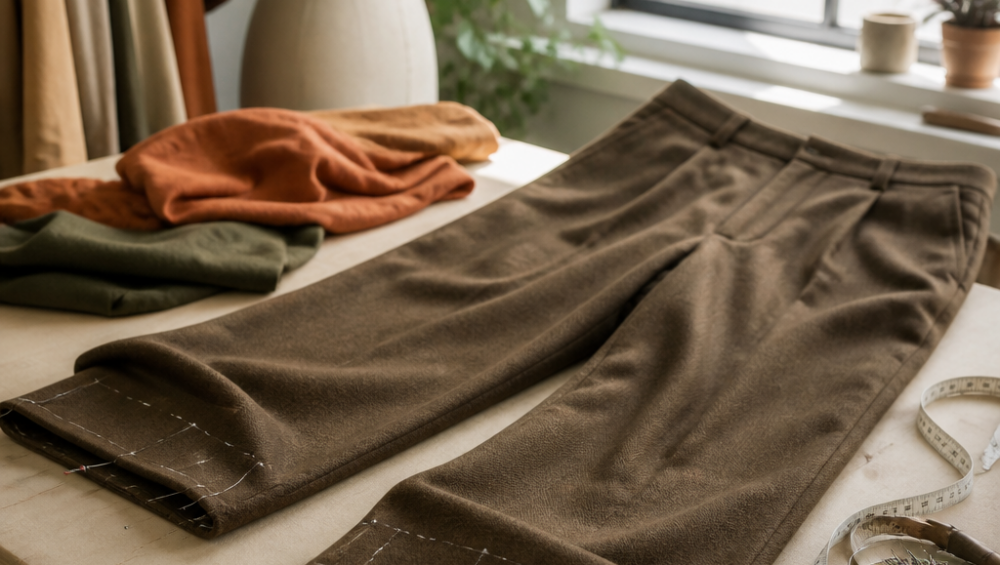
Most of the clothes in your closet stopped working for the season because of fit, not because they went out of style. Wide-leg trousers pool at the ankle, a blazer shoulder sits past where your own shoulder ends, and a sleeve on your favorite knit covers your knuckles. Fall fashion alterations are the fastest way to make what you already own look current, and they cost far less than rebuilding a wardrobe. Below are six changes that fix the most common trend-related fit problems, what each one involves, and how to decide which pieces are worth the work.
Table of Contents
- Quick Takeaways
- Hem Length for Wide-Leg Trousers and Midi Skirts
- Waist and Rise on Denim and Trousers
- Sleeve Length for Layered Looks
- Shoulders and Blazer Fit
- Taking In Knitwear and Cardigans
- Seam Allowance Before Changing a Leg
- Choosing Between a New Trend Piece and an Alteration
- Frequently Asked Questions
- References
Quick Takeaways
| Key Insight | Explanation |
|---|---|
| Fix fit before you chase style | A trend piece only looks current when the shoulder, sleeve, and hem sit where they should. The fit is usually the problem, not the trend. |
| Measure hems in the shoes you actually wear | A heeled boot can change the right trouser length by an inch or more compared with a flat loafer. |
| Check the back waistband first | Gaping at the back is the most common waist issue, and it can often be fixed without changing the leg. |
| Shorten jacket sleeves to the wrist bone | A sleeve that covers the knuckles makes even a good coat or blazer look borrowed. |
| Look at the seams before asking for a wider leg | Seam allowance sets the limit on how much a tailor can let out. Tight seams leave little room to work with. |
| Skip the shoulder if it sits too wide | Taking in a shoulder is a major job, and letting one out is often not possible. Buy the size where the seam already lands on your shoulder. |
| Test one trend piece at a time | Pair one altered trend item with wardrobe staples so the rest of your outfit stays familiar and comfortable. |
Hem Length for Wide-Leg Trousers and Midi Skirts
Wide-leg trousers and midi skirts are the trend pieces that come through the door most often this fall. The problem is rarely the cut itself. It is the hem, which was set for a slimmer or ankle-length shape and now either stacks on the shoe or stops awkwardly mid-calf.
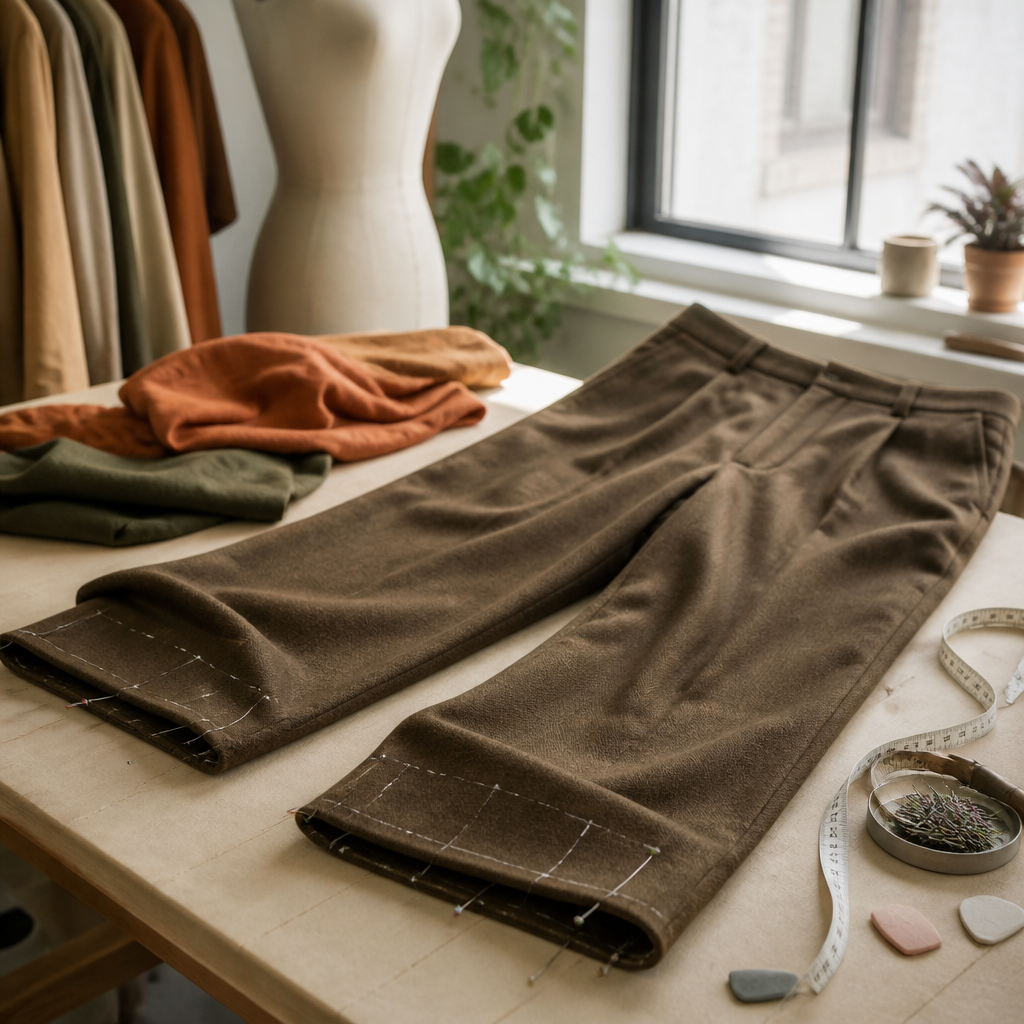
A hem for wide-leg trousers should graze the top of the shoe with a slight break, not collect in folds around the ankle. For a midi skirt, the hem should land at a point that looks deliberate, usually the middle of the calf or just below it, rather than at the narrowest part of the leg.
Measuring the hem with the right shoes
Bring the shoes you plan to wear with the piece to the fitting. A heeled boot changes the length compared with a flat loafer, and a hem pinned for sneakers will look too long once you step into a boot. Hem for the shoe you wear most often, not the one you wear twice a season.
Why a hem is a low-risk first alteration
Hemming changes only the bottom edge of a garment, which makes it one of the most affordable changes you can ask for. At Stitch It, hems start from $14.89, so it is a practical way to test a trend before you commit to a new piece. The guidance on hem length is also the one most people get wrong when they try to do it at home.
Pro tip: Pin the hem with the shoes you plan to wear, then walk, sit, and climb a step in the trousers before you approve the length. A hem that looks right while you stand still can ride up or pool once you move.
Waist and Rise on Denim and Trousers
Higher and more defined waistlines have changed how jeans and trousers fit this season. A pair that sat comfortably on the hip last year may now gap at the back, or sit too low to look intentional when you tuck in a knit.
Waist alterations are usually simpler than people expect. A tailor can take in the center back seam, adjust darts, or refit the waistband, and gaping at the back is often solved without touching the leg at all.
Taking in the back without changing the leg
Tailors typically start at the back waistband. A small reduction there can close the gap while keeping the rise, hip, and inseam exactly as they were. If the seat is still too full after that, the work moves to the side seams, which affects the whole leg.
A trend only looks new when the rest of the outfit fits correctly. Most of the time, the fit is the thing that needs fixing, not the trend.
When to skip the waist and buy instead
Not every pair is worth altering. If the rise is wrong for your torso, the fabric has stretched out in the seat, or the back pocket placement is off, no tailor can make it look right. In those cases, a new pair cut for the current silhouette is the better buy.
Pro tip: Test the waist by sitting down, bending forward, and tucking in a fitted top. If the waistband pulls or the back gaps when you sit, the fix belongs on the back waistband, not the front.
Sleeve Length for Layered Looks
Layering is the core of fall dressing, and sleeves are where layering goes wrong most often. A sleeve that stops just past the wrist works under a coat, but on a jacket it can cover the knuckles and make the whole outfit look borrowed.
Shortening a sleeve is one of the cleanest alterations available. On a tailored jacket, the goal is to keep the original cuff finish and button placement so the piece still looks made for you, not adjusted.
Leather and structured jackets
Leather and structured jackets need more careful work because the lining, cuff, and any button or zipper details all have to be reset. Ask the tailor to check the length with your arm relaxed at your side and again with your arm bent, since you will wear the jacket both ways. A sleeve that looks right in the mirror but catches when you reach for a bag is still too long or too short.
Knitwear with oversized sleeves
Oversized knits look intentional when the sleeve finishes at the wrist bone. When the sleeve is too long, the cuffs bunch and stretch with wear, which makes a good sweater look tired within a season. A shortened cuff can be reset with the original ribbing, but ask first whether the knit can handle the extra handling without pilling or distorting.
Shoulders and Blazer Fit
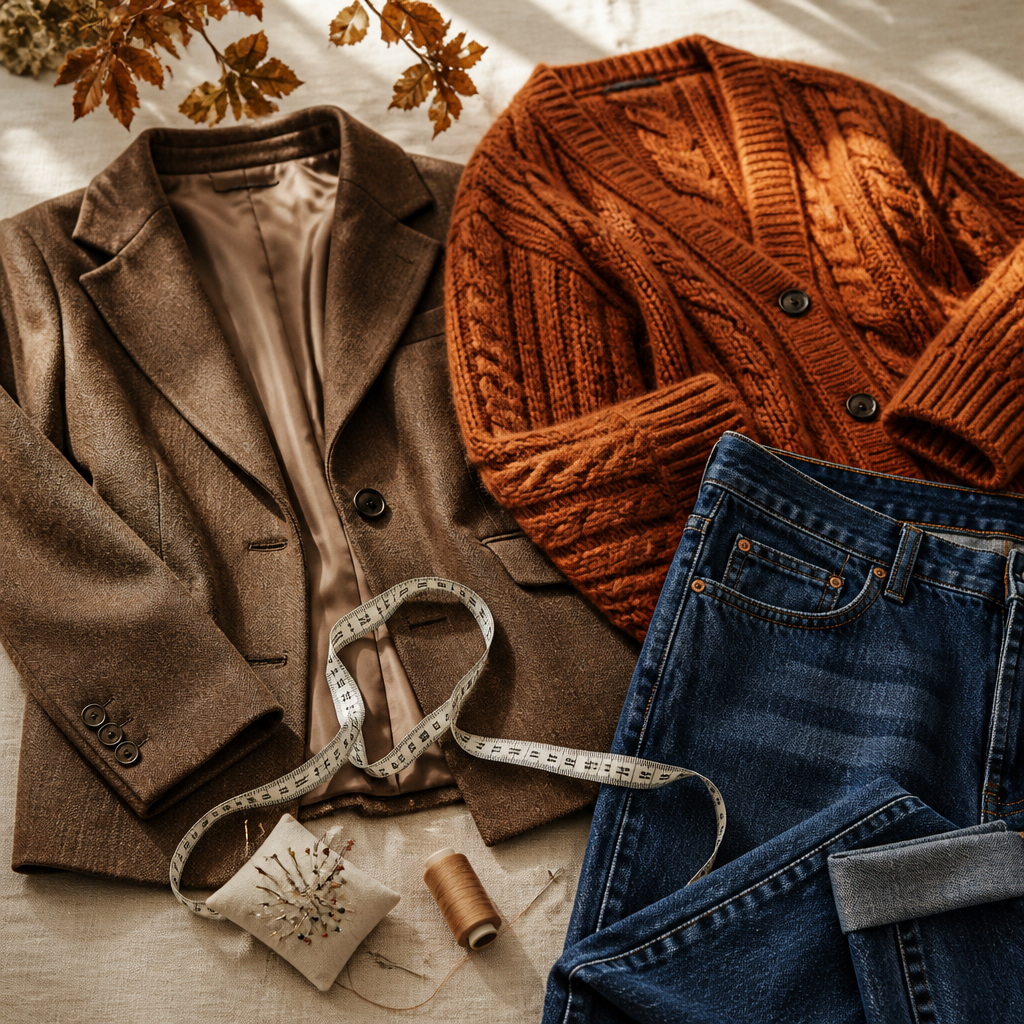
Suiting is back in a big way, with boxy and slightly oversized blazers replacing the strictly tailored silhouettes of recent seasons. The trend works when the shoulder is right. When it is not, the jacket looks like it belongs to someone else.
The shoulder seam is the hardest part of a jacket to alter and the one that matters most. Taking in a shoulder is a serious job, and letting one out is often impossible without rebuilding the sleeve. For an oversized blazer, the goal is a seam that sits on your natural shoulder, not past it.
Taking in the body of a blazer
If a blazer hangs loose through the torso, a tailor can take in the side seams and back seam for a cleaner line. This works well on boxy cuts that were made too wide, and it keeps the jacket’s silhouette while removing the extra fabric that makes it look bulky.
Buttons and lapels as final touches
Moving a button or narrowing a lapel are smaller changes, but they change how a jacket reads. A two-button blazer with the button placed too low can look dated even when the fit is right. Ask whether the button position suits the current cut before you pay for more work.
Pro tip: Before buying a trend blazer, check whether the shoulder seam sits where your own shoulder ends. If it lands well past that point, skip the jacket, because the shoulder is the hardest part to fix.
Taking In Knitwear and Cardigans
Sculpted cardigans, pointelle sweaters, and wrap tops are a major part of this season’s knitwear push. Many are cut loose on purpose, which suits a relaxed outfit but can leave a piece looking shapeless on a smaller frame.
Knitwear is more forgiving than tailored clothing, but it has limits. Side seams can often be taken in on a standard stitch, while textured and open-stitch patterns show every line, so a tailor checks the knit before committing to any change.
Side seams and armholes
Side seam adjustments bring the body of a sweater closer without touching the sleeves. If the armhole is too deep, a tailor may be able to raise it, which tightens the look at the shoulder. Pointelle and lace-effect knits need extra care, because a seam can pull the pattern out of line.
Wrap tops and closure points
A wrap top depends on its tie or closure. A wrap that gapes at the bust is often fixed by moving the closure point or tacking the overlap, not by taking in the entire front. Ask for the least invasive option first, and only move to the side seams if the smaller fix does not hold.
Pro tip: Try on the knit with the base layer you plan to wear under it. A thick layer changes how a cardigan drapes, and a fit made over a bare body can pull open once you are dressed.
Seam Allowance Before Changing a Leg
Many people want to move a pair of slim jeans toward a straighter or wider cut. That change depends on how much fabric is hidden in the seams, and the room is usually less than people expect.
Most trousers have seam allowance, the extra fabric folded inside each seam, which lets a tailor let the leg out a little. A pair with generous seams has room to move, while a pair cut close to the body may have almost nothing to give.
Checking the inner seams
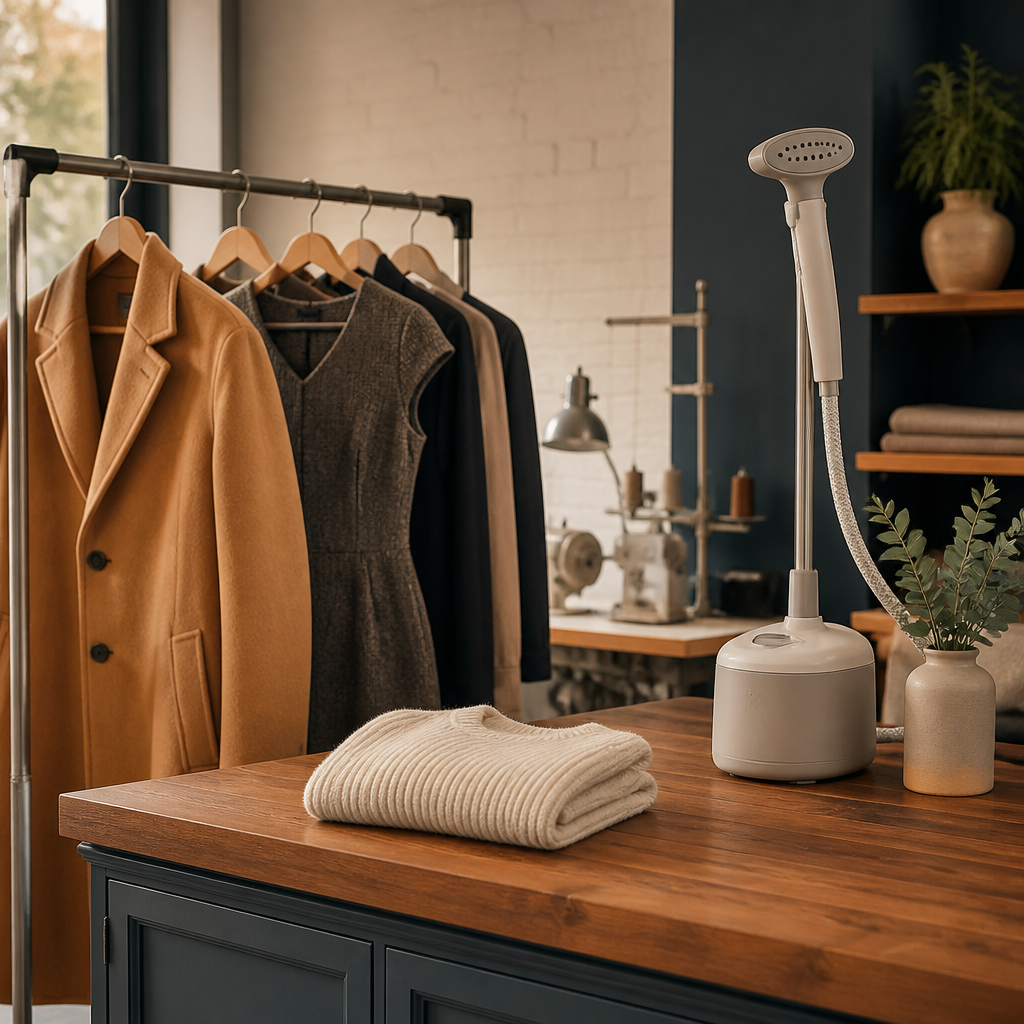
Turn the trousers inside out and look at the inseam and outseam. If the seams are finished close to the edge, there is little room to work with. If they have a wider allowance or a flat-felled finish, a tailor can often work with them.
When a new pair is the better buy
If the trousers are already fitted through the thigh and you want a full wide-leg silhouette, an alteration will not get you there. A pair cut for the trend is usually the better value than forcing a shape the fabric cannot support.
Choosing Between a New Trend Piece and an Alteration
Every alteration decision comes down to one question: does the garment already have the right fabric, color, and construction, with only a fit issue standing in the way? If it does, altering is almost always the smarter move. If the cut itself is wrong, a new piece will serve you better.
The table below compares the three approaches we see most often this season. Each one suits a different kind of closet problem, and some providers will steer you toward one option without explaining the trade-offs.
| Approach | Best For | Trade-off |
|---|---|---|
| Alter a piece you already own | Trousers, blazers, and knits with good fabric and a fixable fit problem | Limited by seam allowance and shoulder construction, so a fit check comes first |
| Buy a new trend piece | Silhouettes your current closet cannot reach, such as a fully wide leg or a boxy suit jacket | Higher cost, and no guarantee the silhouette stays relevant past one season |
| Add an accessory to test the trend | Low-risk trials, such as a suede bag, a belt, or animal-print shoes | Changes the look without changing how any garment fits |
A common mistake is buying the whole trend at once. A better approach is to invest in one trend piece, then use accessories and staples to carry the rest of the look. Ask staff how the 30-Day Fit Guarantee applies to your alteration before you leave the counter, so you know what to check once you get the garment home.
Frequently Asked Questions
How much do fall fashion alterations typically cost?
Costs depend on the garment and how much work it needs. Hems are among the most affordable changes, and at Stitch It they start from $14.89. Ask for an upfront quote before you approve structural work such as shoulders, lining, or sleeve reconstruction.
Can every trend piece be altered to fit better?
No. The shoulder seam, the rise of a pair of trousers, and the amount of seam allowance set the real limits. If the fix requires more fabric than the garment has, a new piece is the better choice.
How long do alterations take?
Standard turnaround varies by the type of work. Stitch It offers same-day and rush services for walk-in customers, which helps when you need a piece for a specific event this season.
Should I wash or dry clean a garment before getting it altered?
Clean it first if you plan to clean it regularly, because some fabrics relax or shrink after cleaning. Bringing a clean garment to the fitting gives the tailor an accurate fit to work from.
What should I check before I pick up an altered garment?
Try it on with the shoes, bra, or base layer you plan to wear with it, and move around. Check the hem, sleeve length, and waistband while sitting and bending, since those are the points where problems show up first.
Which of these six alterations would make the biggest difference in your closet this season, and what fit problem keeps coming up for you?
References
- Vogue overview of the six key fall 2026 fashion trends and their silhouettes
- Who What Wear guide to fall fashion trends, including sculpted cardigans and wrap tops
- The Everymom breakdown of fall fashion trends that work with an existing closet
- Apartment Therapy guide to fast wardrobe fixes that improve how clothes fit