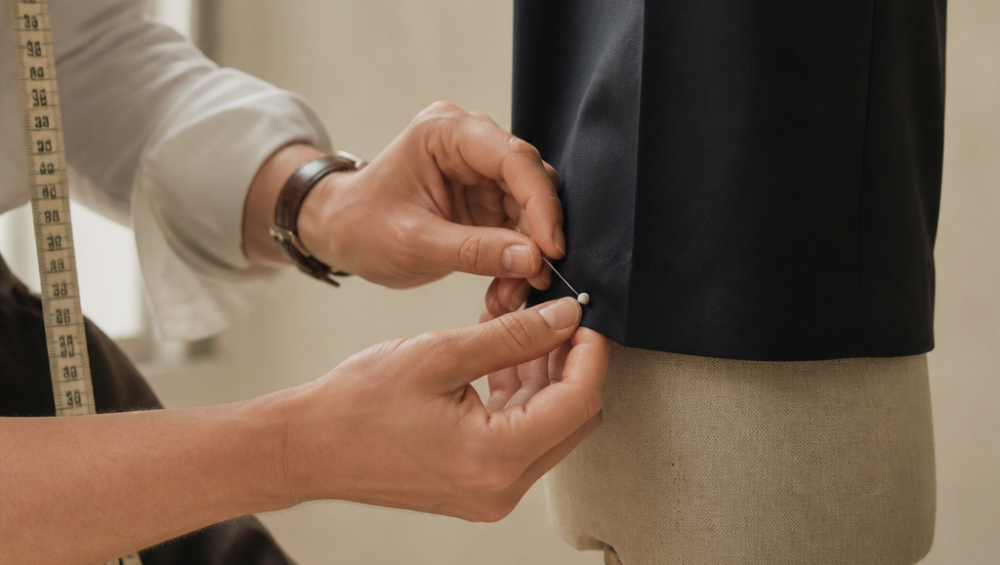
Your closet is probably full. Yet somehow, you stand in front of it every morning convinced you have nothing to wear. The problem almost never is the clothes – it is the fit. Everyday alterations are the single most underused tool for getting more out of what you already own. A hem that is two inches too long, a waist that bags slightly, a sleeve that covers your knuckles – these small misses quietly ruin an otherwise good outfit. Fix them, and the garment goes from “I never wear that” to “I reach for this every week.”
Table of Contents
- Quick Takeaways
- Why Fit Beats Price Every Time
- The Six Everyday Alterations Worth Doing
- Wardrobe Alterations by Garment Type
- Alteration Approaches Compared
- What to Bring to Your Fitting Appointment
- Frequently Asked Questions
- References
Quick Takeaways
| Key Insight | Explanation |
|---|---|
| Hemming is the highest-impact alteration | A proper hem on pants or a dress immediately makes clothes look intentional and polished rather than off-the-rack. |
| Always hem pants with the shoes you plan to wear | The shoe heel height changes the ideal pant break significantly. Bring the actual pair to your fitting. |
| Taking in a waist is faster than you think | Waist suppression on trousers, jeans, or a jacket body typically takes under an hour of tailor time. |
| Sleeve length defines a shirt or jacket’s formality | A shirt sleeve that shows a quarter to half an inch below a jacket cuff signals careful dressing. Shortening sleeves achieves this reliably. |
| Tailoring everyday clothes extends garment life | A garment you actually wear regularly will last years longer than one that hangs unworn because the fit is slightly wrong. |
| Rush and same-day services exist for a reason | If an event is tomorrow, a professional alteration shop with same-day capability can still get you fitted in time. |
| The 30-Day Fit Guarantee removes the risk | Stitch It backs every alteration with a 30-Day Fit Guarantee, so if the fit is not right, it gets corrected at no extra cost. |
Why Fit Beats Price Every Time
A $400 jacket that does not fit looks cheaper than a $90 jacket that does. This is not an opinion – it is what anyone with a trained eye sees first. The silhouette is the garment. When the shoulders sit correctly, the chest closes cleanly, and the hem falls at the right point, the garment does its job. When any one of those things is off, the whole outfit communicates carelessness, regardless of the label inside.
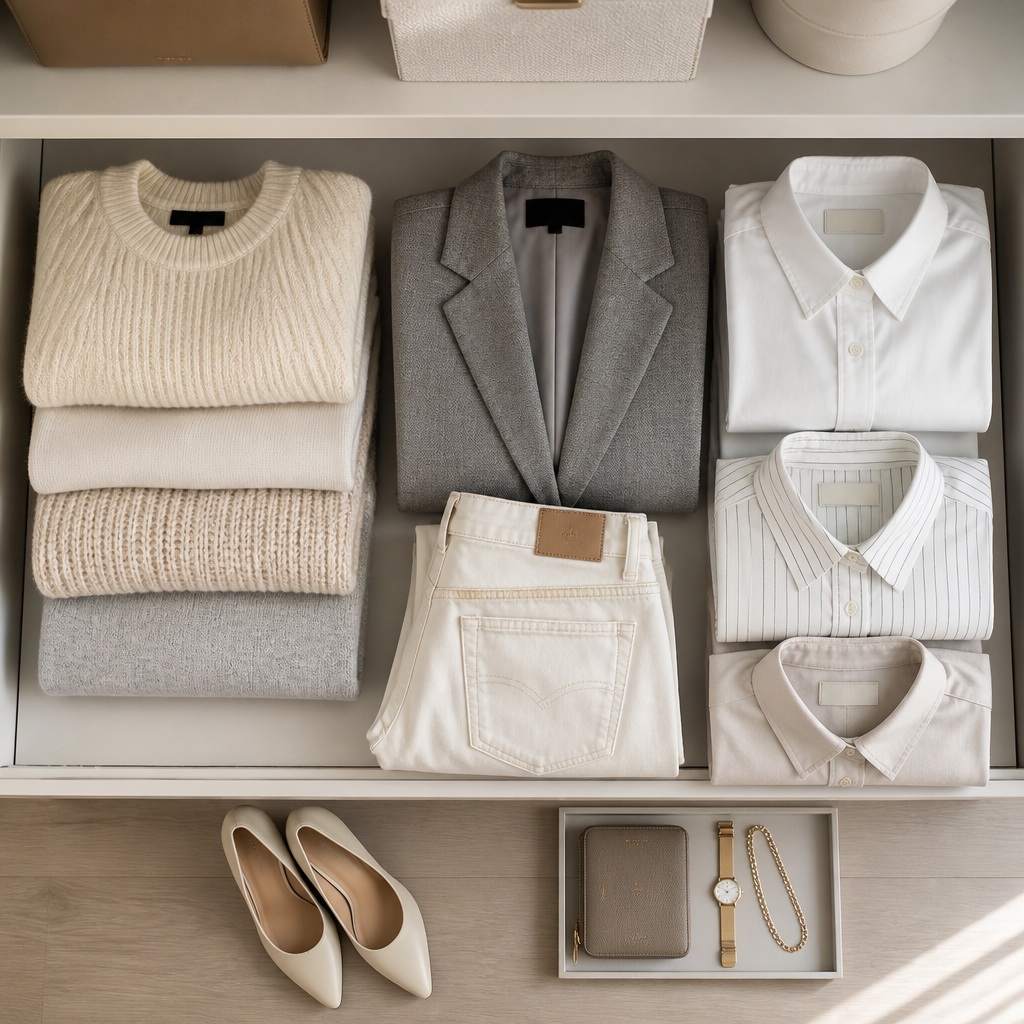
This is exactly why wardrobe alterations on everyday clothes matter as much as alterations on formal wear. Most people think of tailoring as something reserved for wedding suits or bridesmaid dresses. In practice, the biggest return on investment comes from fixing the clothes you wear most: your work trousers, your go-to jeans, your everyday blazer, the dress you bought on sale and have never quite committed to.
“Clothing alterations can completely transform the way you see the clothes already hanging in your wardrobe. A dress that feels too long can become playful and modern. A pair of pants that almost works can suddenly become a favorite after the right adjustment.”
Off-the-rack sizing is built for statistical averages. Unless your body happens to match that average perfectly – which most people’s bodies do not – something will be slightly off. Tailoring everyday clothes is simply the act of closing the gap between what the manufacturer assumed and what your body actually is.
The Six Everyday Alterations Worth Doing
Not every alteration is equally practical. Some are expensive, time-consuming, and only worth it on high-value pieces. The six below are the ones that consistently deliver the most visible improvement for everyday garments, and none of them require structural reconstruction of the garment.
Hemming Pants and Jeans
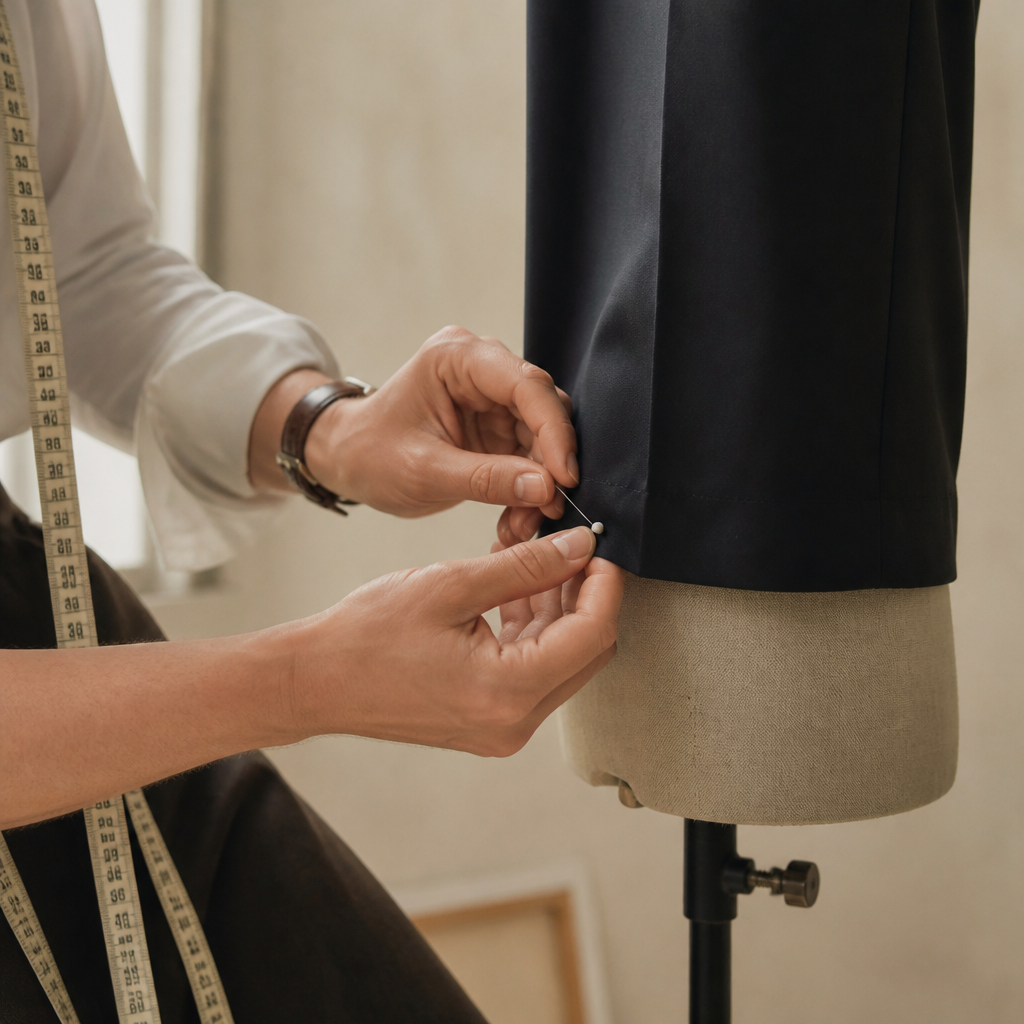
This is the single most common and most impactful alteration. Pants that drag on the floor or bunch at the ankle look sloppy no matter how expensive they are. The fix is straightforward: a tailor shortens the leg to the correct break – full, half, or no break depending on your preference and the trouser style. For jeans specifically, a good tailor can preserve the original factory hem, so the jeans still look like they came that way. Always bring the shoes you plan to wear with that pair of pants. A flat shoe and a heeled boot require entirely different hemline positions.
Taking In or Letting Out the Waist
This is one of the most common problems with jeans and dress trousers. If you size up to fit your hips or seat, the waistband often gaps at the back. A tailor can take in the waist from the back seam, creating a clean fit without a belt holding up the difference. Trousers often have extra seam allowance that allows for letting out as well, which is useful if weight fluctuates. Either direction, the result is trousers that stay up and lay flat – exactly what they should do.
Tapering Trouser Legs
Leg width trends change. Trousers you bought five or ten years ago may have a cut that looks dated simply because the leg opening is too wide. A tailor can taper the leg from the knee down, slimming the silhouette without changing the rise or seat. This is one of the most underused alterations on everyday clothes. A pair of otherwise excellent trousers with a silhouette that reads as slightly baggy becomes a modern, tailored piece for a modest cost.
Shortening Shirt and Jacket Sleeves
Sleeve length is one of the easiest tells that something does not fit. A dress shirt sleeve that covers the entire hand, or a jacket sleeve that swallows the shirt cuff, reads immediately as “wrong size.” Shortening a dress shirt sleeve is a relatively simple process: the cuff is removed, the sleeve is shortened from the shoulder or cuff end, and the cuff is reattached. Jacket sleeves are similarly adjusted, though jackets with functioning button cuffs require more care and slightly more tailor time.
Taking In the Body of a Shirt or Blazer
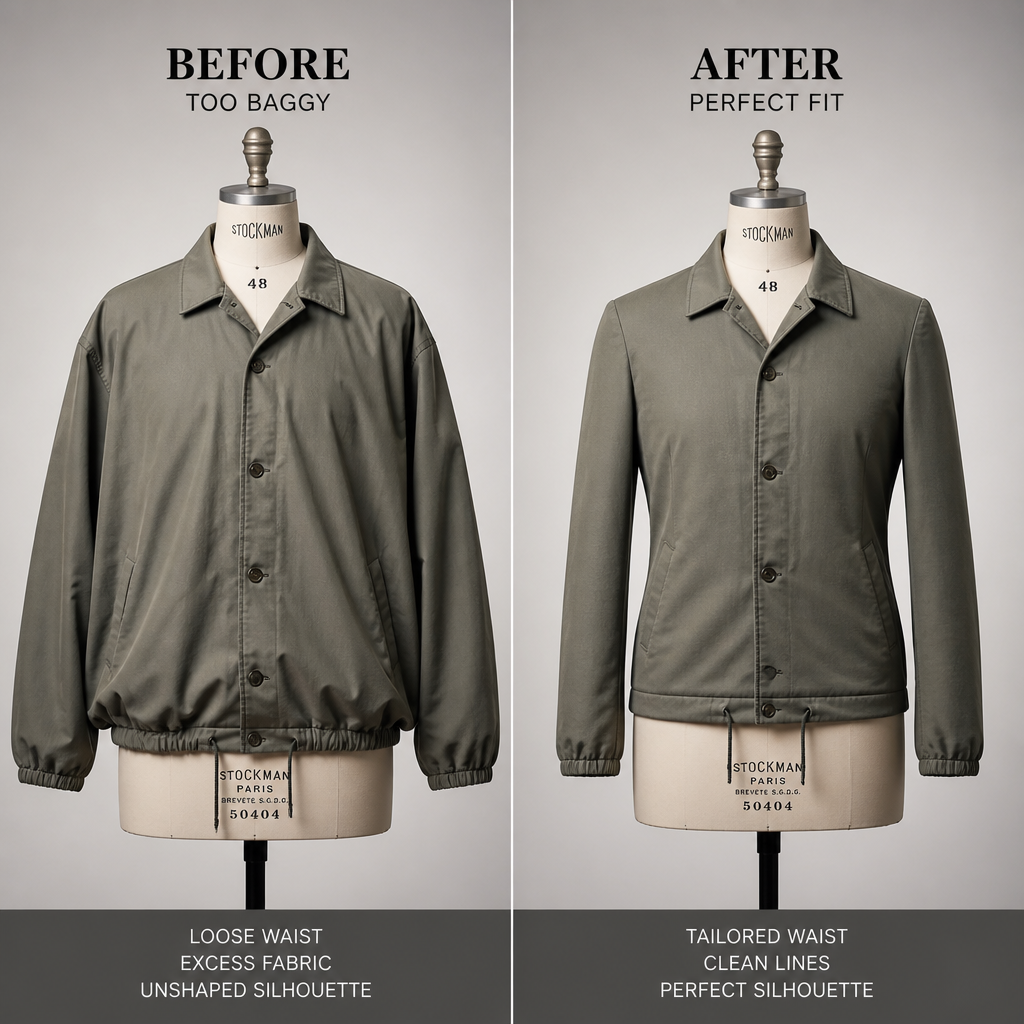
An oversized shirt or blazer can be taken in along the side seams to create a fitted silhouette. This works especially well for shirts where the shoulder seam already sits correctly – if the shoulders fit, taking in the body is a clean, affordable fix. The result is the difference between wearing a shirt and wearing your shirt. For blazers, waist suppression along the side seams creates shape and structure that makes the jacket look intentional rather than borrowed.
Hemming Dresses and Skirts
Dress and skirt hems are among the most frequently requested alterations at Stitch It, and for good reason. A dress that falls at an unflattering length can be shortened to one that works for your proportions. A maxi that pools on the floor becomes wearable. A midi that hits at the widest point of the calf gets raised to a more flattering position. Like trouser hemming, bring the shoes you plan to wear so the hem is set at exactly the right point.
Pro tip: If you are hemming both a dress and a pair of shoes you plan to wear together, bring both to the same fitting appointment. The tailor can check the full look and adjust accordingly, saving you a second visit.
Wardrobe Alterations by Garment Type
Different garment categories have different alteration priorities. Knowing what to focus on for each type of clothing means you spend your alteration budget where it actually changes how a piece looks and fits.
Jeans and Casual Pants
The hem and the waist are the two pressure points. Most people who buy jeans off the rack need at least one of them addressed. If your jeans gap at the back waist, that is a waist-take-in job. If the hem drags or bunches, that is a standard hem. For raw or selvedge denim, ask specifically about preserving the original hem, as a good tailor will know the technique.
Dress Shirts and Blouses
Focus on sleeve length and body fit. A dress shirt that fits correctly at the shoulders but billows at the body needs the side seams taken in. If the collar fits but the sleeves are long, a sleeve shortening is the right call. Avoid altering the collar or shoulder of a shirt unless the piece is genuinely valuable – those are more complex and expensive adjustments.
Suits and Blazers
Suits reward alteration more than almost any other category. The shoulder must fit without alteration – that is the one thing a tailor cannot change without a significant structural rebuild. But the body, sleeves, and trouser hem are all fair game and often need attention even on a well-fitted suit. Waist suppression on the jacket, sleeve shortening, and trouser hemming together can make a good suit look custom.
Dresses and Skirts
Hemming is the most common request, but taking in the body is equally useful. A dress that fits at the hips but is loose at the waist can be taken in along the side seams. A zip that strains can sometimes be relieved by letting out the side seams slightly if there is seam allowance to work with. For formal dresses, Stitch It’s team handles everything from structured bodice adjustments to full-length hem alterations.
Alteration Approaches Compared
When your clothes need adjustment, you broadly have three options. Each has different trade-offs in terms of cost, quality, and the kind of work they can handle. Understanding those differences helps you make the right call for the right garment.
| Approach | Best For | Limitations |
|---|---|---|
| DIY at home | Simple hems on stable fabrics, minor repairs, replacing basic buttons | Results are often uneven; delicate or structured fabrics are easy to damage; no guarantee of fit accuracy |
| Independent tailor | Bespoke or high-value garments requiring a long-term fitting relationship | Availability varies widely; no standardized pricing or fit guarantee; turnaround time unpredictable |
| Professional alteration service (like Stitch It) | Everyday alterations, formalwear, bridal, uniforms, same-day and rush needs | Best fit for most people’s wardrobe needs; transparent upfront pricing starting from $14.89; backed by a 30-Day Fit Guarantee |
For most everyday alterations, a professional service with upfront pricing and a fit guarantee is the most practical choice. You know what you will pay before the work starts, the turnaround is reliable, and if the fit is not right, there is a clear process to fix it. Some providers offer same-day and walk-in service, which makes the decision even easier when you need something done quickly.
Pro tip: Before dropping off any garment for alteration, wear it and move around in it. Sit, reach forward, and raise your arms. Note exactly where the fit breaks down. The more specific you can be with the tailor, the more precisely they can address the actual problem.
What to Bring to Your Fitting Appointment
Getting the most out of an alteration appointment is mostly about preparation. Show up without the right shoes and you risk a hem that is set at the wrong length. Show up in a rush without knowing what bothers you about the fit and you may leave with something addressed but not fixed.
The Shoes and Undergarments Rule
This applies to every hem, every time. The shoe heel height changes how the garment should hang. Bring the actual pair you plan to wear with the garment, not a similar pair. For dresses and tops, wear the bra or shapewear you plan to wear underneath. These are not minor details – they affect whether the finished alteration actually fits the outfit as you plan to wear it.
Be Specific About What Bothers You
Tailors are skilled at identifying fit problems, but they work best with information. Instead of saying “this shirt doesn’t feel right,” say “the sleeves are about an inch too long and the body is loose through the torso.” If you are unsure what the technical issue is, that is fine – a good tailor will diagnose it. But if you know what bothers you, say it clearly.
Bring the Right Garments for the Occasion
If you are getting trousers altered for a specific work environment or event, bring that context. If the trousers are for a formal setting where you always wear a specific jacket, bring the jacket so the overall silhouette can be checked. If you are getting a dress hemmed for a wedding, bring any accessories that affect how the dress sits or moves.
Stitch It offers walk-in appointments with same-day and rush service options at select locations, so there is no need to plan weeks in advance. The combination of professional fit expertise, transparent pricing, and a 30-Day Fit Guarantee means the process is lower-stakes than most people expect. If the fit is not right after you pick up the garment, bring it back and it gets corrected.
Frequently Asked Questions
What is the most worthwhile everyday alteration for someone new to tailoring?
Start with hemming your most-worn pair of trousers or jeans. It is the most visible fit issue on everyday clothes, the fastest to fix, and the one with the most immediate visual payoff. Once you see the difference a correct hem makes, you will understand why regular tailoring is worth the habit.
Can a tailor make a garment larger, or only smaller?
Both are possible, but making a garment larger depends entirely on how much seam allowance the manufacturer left in the seam. Many off-the-rack garments have enough allowance to let out half an inch to an inch. A tailor can check the seam before you commit – that is a standard part of the initial assessment. Taking garments in is generally more straightforward than letting them out.
How do I know if an alteration is worth the cost versus just buying something new?
The rule of thumb is: if you like the garment, the fabric is good quality, and the only issue is fit, alteration almost always makes more financial sense than buying new. The cost of hemming trousers or taking in a waist is a fraction of what a replacement garment costs. Where alteration stops making sense is when the garment itself has structural damage, is made of very cheap fabric that will not hold the stitching, or requires shoulder restructuring on a suit you paid little for.
What garments cannot be altered easily?
Anything with heavy boning, complex structured bodices, or garments where the pattern must match across a seam (like plaid or large prints) requires more skill and time, and will cost more. Leather and faux leather are also more technically demanding. That said, a professional alteration service handles all of these – it just affects pricing and turnaround time. When in doubt, ask for a quote before assuming something is not alterable.
How long do most everyday alterations take?
Standard alterations like hemming, waist adjustments, and sleeve shortening typically turn around in a few days at most professional alteration services. Same-day and rush services are available at Stitch It for walk-in clients, which means even last-minute needs can be met. More complex alterations on formalwear or structured garments may take longer, especially if multiple adjustments are needed on the same piece.
Is there a risk that altering a garment will damage it?
With a professional alteration service, the risk is minimal. Experienced fit and sew experts work with all fabric types and garment constructions daily. The main risk is with DIY alteration attempts on delicate fabrics like silk or chiffon, or when using improper equipment. Stitch It’s 30-Day Fit Guarantee means that if something is not right with the workmanship after pickup, it is corrected at no additional cost – so you are covered if anything needs revisiting.
Have you ever had an alteration completely change how often you wear a piece? Share which garment made the biggest difference for you in the comments below.