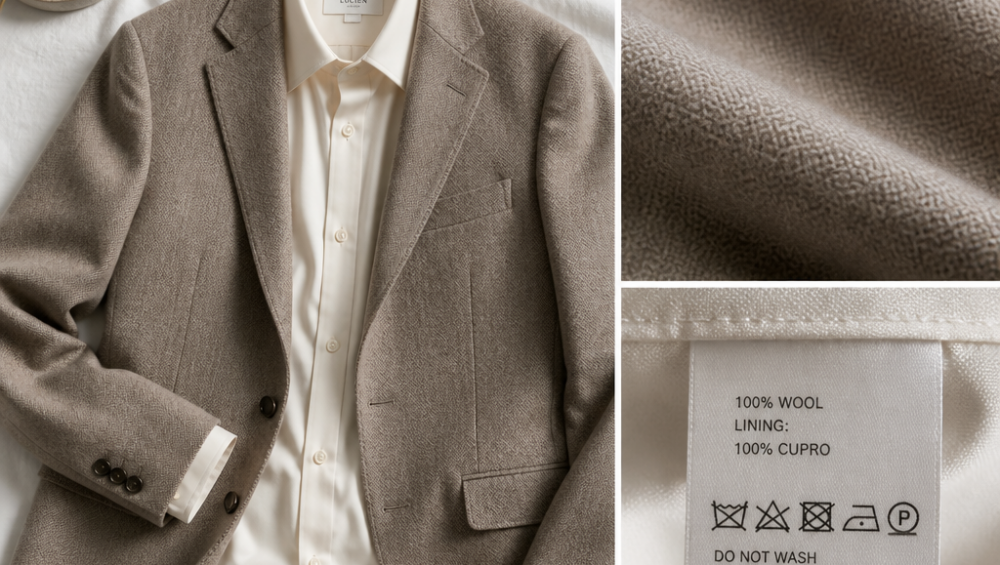
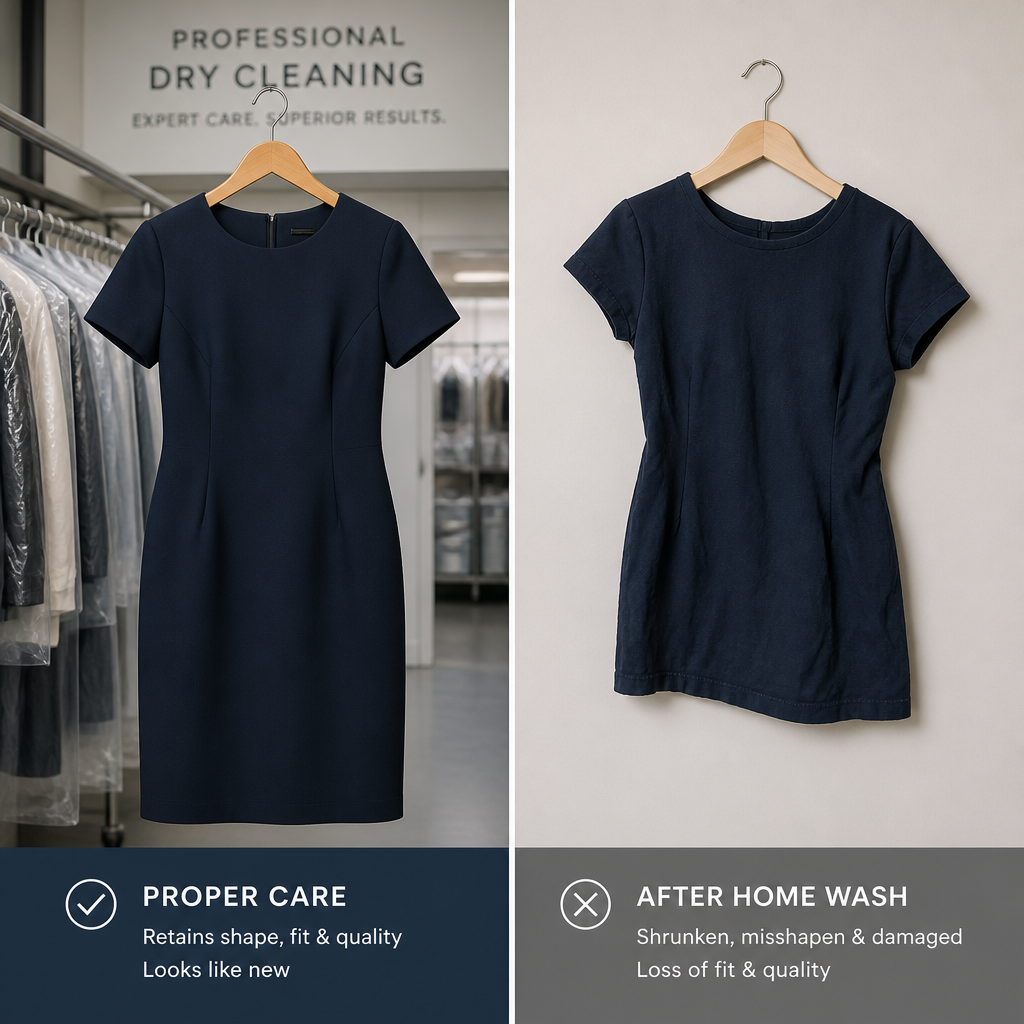
You already know the sinking feeling: you pull a favourite blazer out of the wash and it has shrunk two sizes, lost its shape, or developed a waterline around the collar. That one misjudgment cost more than a professional dry cleaning service ever would have. Understanding when to dry clean versus when to machine wash is not a minor laundry trivia question. It is the single biggest factor in how long your clothes actually last. This guide cuts through the confusion so you can make the right call every time, whether you are caring for an everyday work shirt or a wedding-day gown.
Table of Contents
- Quick Takeaways
- What Dry Cleaning Actually Does
- What Regular Washing Does Well
- How to Read Garment Care Labels
- Fabrics That Need Dry Cleaning
- Garments That Are Safe to Machine Wash
- Dry Cleaning vs. Washing: Side-by-Side Comparison
- Common Garment Care Mistakes That Ruin Clothes
- When Professional Care Is Worth Every Cent
- Frequently Asked Questions
- References
Quick Takeaways
| Key Insight | Explanation |
|---|---|
| The care label is the final word | A “Dry Clean Only” label exists to protect the fabric, not to upsell you. Ignoring it leads to irreversible damage such as shrinking, colour loss, or structural collapse. |
| Dry cleaning uses no water | Chemical solvents dissolve oils and stains without the swelling and stretching that water causes in delicate natural fibers like wool, silk, and cashmere. |
| Multi-layer garments are risky in the wash | Suit jackets and structured blazers often have linings and interfacing that shrink at different rates than the outer fabric, ruining the silhouette permanently. |
| Cotton, polyester, and denim are machine-wash friendly | Durable everyday fibers handle water, agitation, and heat well. Use the right temperature and load size to avoid unnecessary wear. |
| Cost comparison is not straightforward | Home washing costs less per cycle, but replacing a damaged silk blouse or wool coat costs far more than a professional clean would have. |
| Formalwear and bridal garments always need professional care | Beading, structured boning, delicate lace, and embroidery cannot survive machine washing. Professional cleaning preserves construction and colour. |
| Uniforms benefit from professional finishing | Professional pressing after cleaning restores a crisp, polished look that home washing and tumble drying cannot reliably achieve. |
What Dry Cleaning Actually Does
The name is a slight misnomer. Dry cleaning is not completely dry. The “dry” part means no water is used. Instead, garments are treated with chemical solvents, most commonly tetrachloroethylene (known as perchloroethylene or PERC), a colourless, non-flammable liquid that dissolves oils, grease, and stains that water alone cannot shift.
The process begins with a trained technician inspecting every garment for stains, fabric type, and areas of concern. Individual stains are spot-treated with specific chemicals matched to the stain type, whether that is ink, oil, or a protein-based mark. The garment then goes into a cleaning machine where it is gently rotated in solvent. The solvent is drained, the garment is dried using warm air to evaporate any remaining solvent, and then it is pressed, steamed, and reshaped before being returned to the customer.
The reason this matters for delicate fabrics is chemistry. Water binds to polar groups within natural fibers, causing them to swell and stretch. Non-polar solvents do not interact with those fiber structures, which is why a wool coat can be dry cleaned repeatedly without losing its shape, whereas a single hot-water wash can felt it permanently.
Pro tip: If you notice a stain on a dry-clean-only garment, blot it gently and take it to a professional as soon as possible. The longer a stain sets, the harder it is to remove even with commercial solvents.
What Regular Washing Does Well
Machine washing uses water, detergent, and mechanical agitation to lift dirt, sweat, and everyday grime from clothing. For the right fabrics, it is highly effective, convenient, and completely appropriate. The key word is “right fabrics.”
Durable everyday fibers like cotton, polyester, denim, and many synthetic blends are designed to withstand water and agitation. They respond well to warm or cool wash cycles and tumble drying at low heat. The challenge is when people extend that same confidence to fabrics that are not built for it.
A common mistake is treating all clothes identically because they look similar. A cotton dress and a silk dress may hang next to each other in a wardrobe, but one belongs in the washing machine and the other absolutely does not. Frequent high-temperature washing weakens fibers over time, fades dyes, and breaks down elasticity. Even tough fabrics deteriorate faster when subjected to the wrong cycle, too much detergent, or an overloaded drum.
Pro tip: Wash dark garments inside-out in cold water to slow colour fading. Separate heavily soiled items from lightly worn ones so your machine is not compensating for one filthy item by over-agitating everything else in the load.
How to Read Garment Care Labels
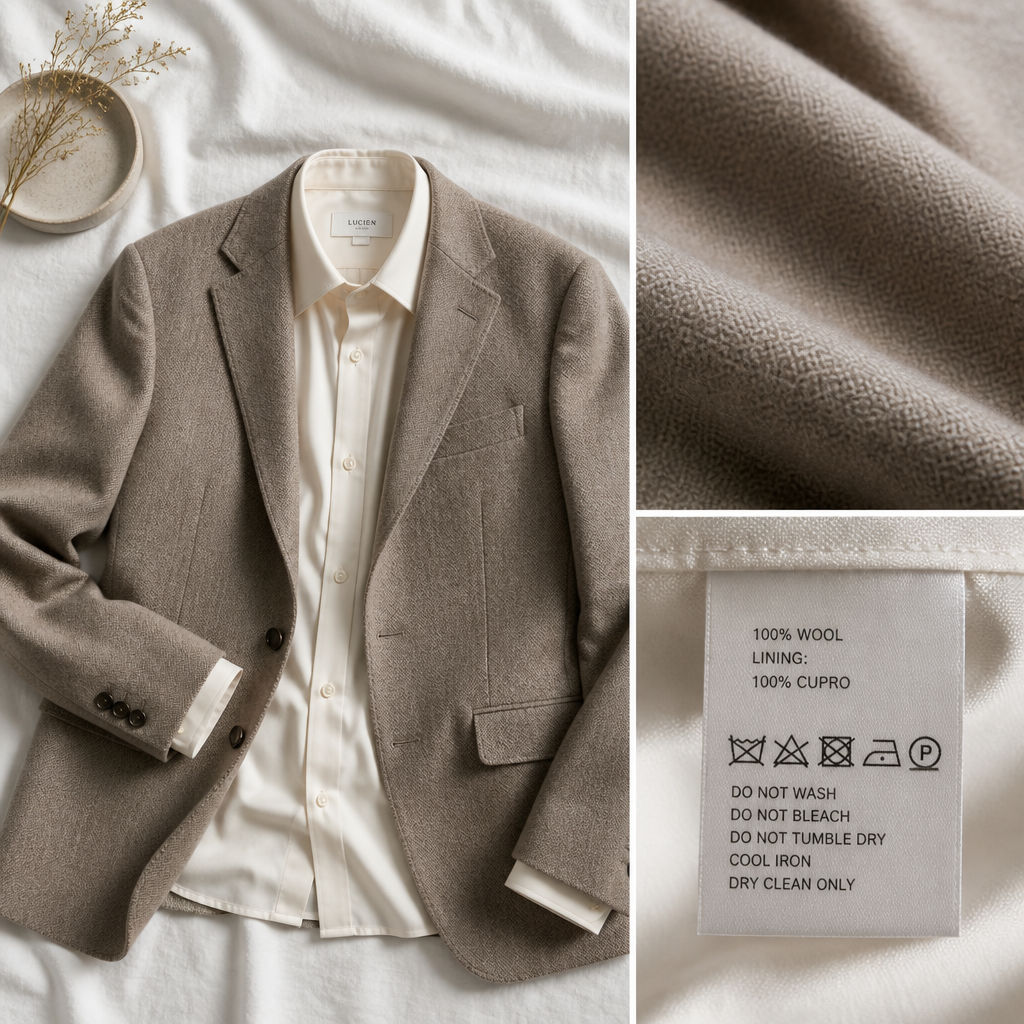
Care labels use an international symbol system built on five basic icons: a washtub for washing instructions, a triangle for bleaching, an iron for ironing temperature, a circle for dry cleaning, and a square for drying method. A cross over any symbol means that process is forbidden for that garment.
The Circle Symbol and What It Means
A plain circle on a care label means the garment can be dry cleaned. A circle with a letter inside indicates which solvents are safe. A circle with a cross through it means do not dry clean under any circumstances. If the label only says “Dry Clean,” without the word “Only,” that is a recommendation rather than an absolute requirement. “Dry Clean Only” is non-negotiable.
Temperature Dots on the Iron Symbol
One dot means low heat, suitable for synthetics like polyester. Two dots mean medium heat for silk and wool. Three dots mean high heat, appropriate for cotton and linen. A crossed-out iron means do not iron at all, or use steam only if wrinkles need addressing.
Drying Symbols to Watch
A square with a horizontal line inside means lay flat to dry, which is standard guidance for wool and cashmere to prevent stretching. A square with a crossed-out circle means do not tumble dry. Ignoring these symbols is one of the fastest ways to permanently alter the shape and size of a garment.
The care label is not a suggestion. It is the manufacturer’s tested guidance for preventing irreversible damage. Every shortcut away from it is a risk you are taking with your own wardrobe investment.
Fabrics That Need Dry Cleaning
Not every fabric needs dry cleaning, but some are genuinely unsafe in water. Knowing which ones saves you expensive mistakes.
Silk
Silk is delicate and prone to shrinking or losing its natural lustre when exposed to water. Water can also leave visible watermarks on silk that are difficult or impossible to remove at home. A professional dry cleaning service handles silk with solvent cleaning that preserves the sheen and prevents colour bleeding.
Wool and Cashmere
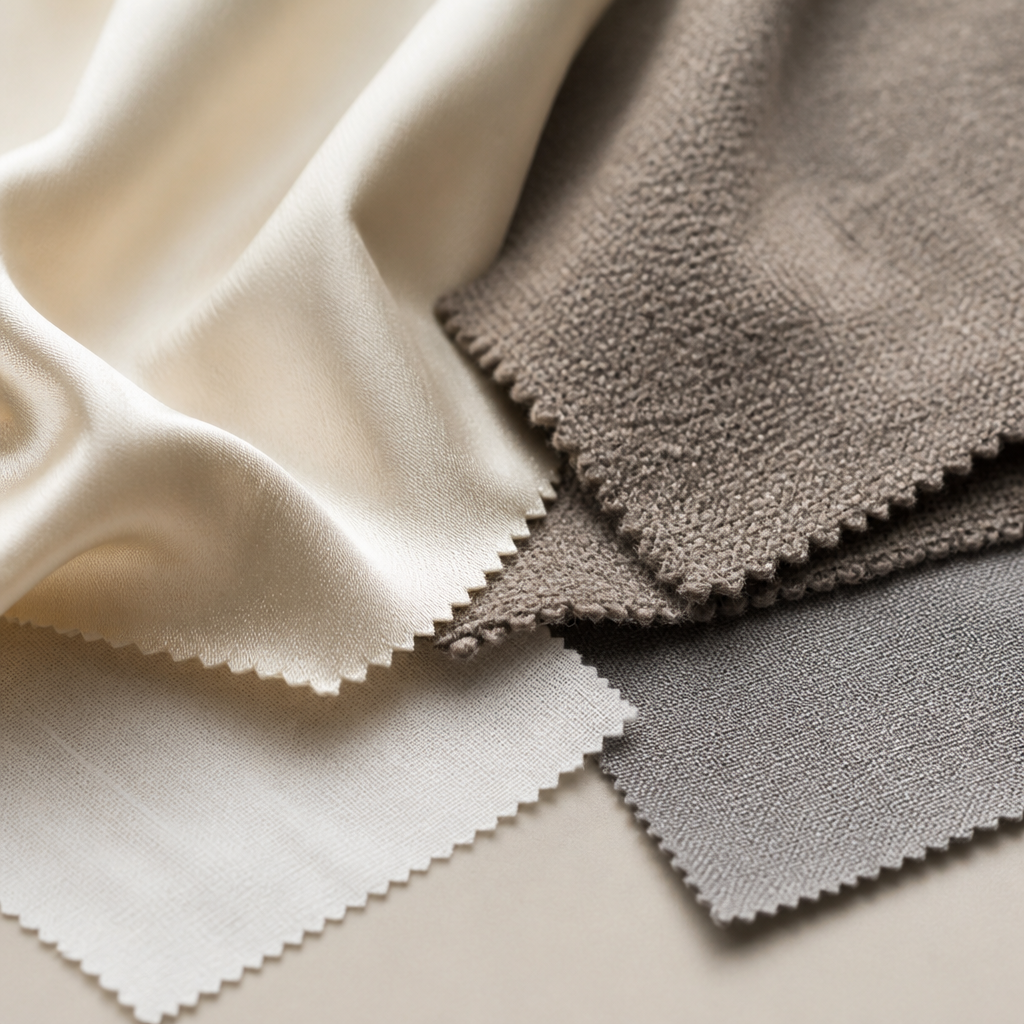
Wool fibers have a microscopic scale structure that causes them to mat together irreversibly when agitated in hot water. This process is called felting. Cashmere shares this vulnerability. Both fabrics should be dry cleaned or, if the label permits, hand-washed in cold water and laid flat to dry, never put in a tumble dryer.
Rayon, Triacetate, and Acetate
These fabrics are prone to significant shrinkage in water. Rayon, in particular, can lose structural integrity when wet. Even if the garment survives the wash, it may emerge misshapen and stretched in unpredictable ways. Dry cleaning is the safe choice for these materials.
Structured and Multi-Layer Garments
A suit jacket may have an outer fabric that is technically washable, but the lining and interfacing inside almost certainly are not. These layers shrink at different rates when exposed to water and heat, causing the jacket to bubble, pucker, and lose its tailored shape permanently. Structured garments, including blazers, trousers with sharp creases, and winter coats with internal padding, need professional cleaning to preserve their construction.
Garments That Are Safe to Machine Wash
The following fabrics handle machine washing without issue when you follow the correct temperature and cycle settings. No dry cleaning service required for these everyday items.
Cotton is the most forgiving fabric in most wardrobes. It handles warm water well, resists agitation damage, and is suitable for machine drying at medium heat. T-shirts, jeans, casual shirts, and most bed linens are cotton-wash candidates.
Polyester and synthetic blends are resistant to wrinkles and hold up well to machine washing. They are the backbone of most activewear and perform-wear categories. Use a low to medium heat setting and avoid high-temperature drying, which can cause pilling over time.
Denim is a sturdy cotton weave. Machine washing is standard. Turn jeans inside-out to slow colour fading and wash on a cool cycle to maintain the dye longer.
Linen is a strong natural fiber that actually softens with repeated washing. It is suitable for casual clothing and is generally machine washable on a gentle cycle. Tumble dry on low or line dry to prevent excessive wrinkling.
Dry Cleaning vs. Washing: Side-by-Side Comparison
When choosing between a professional dry cleaning service and home machine washing, three practical factors matter most: the cleaning method, the garments it suits, and the outcome you can expect.
| Factor | Professional Dry Cleaning | Home Machine Washing |
|---|---|---|
| Cleaning agent | Chemical solvents (no water) | Water and detergent |
| Best fabrics | Silk, wool, cashmere, rayon, structured garments, formalwear, bridal | Cotton, polyester, denim, linen, most everyday synthetics |
| Stain removal | Individual pre-treatment by trained technicians for specific stain types | General detergent effective on common dirt and sweat, less reliable on oil or protein stains |
| Garment structure preservation | Maintains shape, tailoring, lining integrity, and pressed finish | Risk of shrinkage, puckering, or distortion in structured garments |
| Finishing | Professionally pressed, steamed, and reshaped after cleaning | Requires ironing at home; home pressing rarely matches professional results |
| Cost per item | Higher per piece due to specialised process and equipment | Lower per cycle, but higher hidden cost if garments are damaged |
| Convenience | Drop-off and pick-up; same-day and rush services available at some providers | At-home anytime, but requires your time and equipment |
Common Garment Care Mistakes That Ruin Clothes
Most wardrobe damage is not accidental. It is the result of a few specific, repeatable errors that people make without realising the cumulative cost.
Washing at Too High a Temperature
Heat is the enemy of almost every delicate fabric. It breaks down elasticity, fades dyes, and causes natural fibers to shrink and felt. Even garments that tolerate machine washing will degrade faster at high temperatures than they would at cooler settings. When in doubt, wash cold.
Over-Washing Garments That Do Not Need It
Not every garment needs washing after a single wear. Over-washing causes garments to lose softness, stretch out of shape, or thin out prematurely. Suits, structured blazers, and formalwear can often be aired out and spot-cleaned between professional cleans, extending the time between full service appointments considerably.
Ignoring the “Dry Clean Only” Label
Some people assume “Dry Clean Only” is a conservative recommendation that can be safely ignored. It is not. For fabrics like rayon, acetate, and structured wool garments, washing in water causes damage that cannot be undone. The garment does not come back from that wash the way it went in.
Putting Structured Garments in the Tumble Dryer
The combination of heat and mechanical tumbling is particularly destructive for garments with interfacing, shoulder padding, or boning. Bridal gowns, suits, and formal jackets can lose their entire silhouette in a single drying cycle. Professional finishing, which includes careful reshaping and pressing, is the only way to reliably restore a garment’s intended form.
Pro tip: Before washing any garment you have not washed before, check the label against a care symbol guide. Two minutes of checking saves the cost of replacing a ruined piece.
When Professional Care Is Worth Every Cent
There is a broad category of garments where the question of dry cleaning vs washing is not really a close call. Professional care is the right answer, and the cost comparison with home washing becomes irrelevant when you consider what is at stake.
Bridal and Formalwear
Wedding gowns, bridesmaids dresses, and formal evening wear are often constructed from multiple delicate fabrics, feature hand-sewn beading or embroidery, and carry significant emotional and financial value. Machine washing a wedding dress is simply not an option. Professional cleaning preserves the fabric, protects embellishments, and ensures the garment can be properly stored or preserved afterward.
Tailored and Structured Business Clothing
A well-fitted suit is a significant wardrobe investment. The structure of a good jacket, the sharp crease in tailored trousers, and the roll of a properly constructed lapel all depend on the garment maintaining its shape through every clean. That requires professional handling. Dry cleaning followed by expert pressing and finishing is what keeps a suit looking as good on the tenth wear as on the first.
Uniforms and Professional Workwear
For people who wear uniforms to work, appearance is not optional. A professionally cleaned and pressed uniform communicates competence and attention to detail in a way that a home-washed and roughly ironed one simply does not. Professional finishing, done correctly, also extends the life of uniform fabrics significantly compared to the wear-and-tear of repeated home machine cycles.
Garments with Stubborn or Set-In Stains
If a stain has been sitting in a garment for more than a day or two, home washing is unlikely to shift it fully and may actually set it further by heat-fixing it in the fabric. A professional dry cleaning service includes individual stain pre-treatment by trained technicians who match the cleaning chemistry to the stain type. That expertise makes a meaningful difference on wine, oil, ink, or any other stain that home detergent cannot handle.
At Stitch It, the dry cleaning service works alongside expert alteration work so that garments come back not only clean, but properly fitting and perfectly pressed. If a garment needs both cleaning and adjustment, handling both in one visit is far more practical than treating them as separate problems. The 30-Day Fit Guarantee means that if the fit is not right, it gets corrected. That kind of accountability is what separates a professional service from simply sending clothes through a solvent machine.
Frequently Asked Questions
Can I wash a “Dry Clean Only” garment at home if I am careful?
For some fabrics, gentle hand-washing in cold water with a mild detergent is possible, but it is never without risk. Fabrics like rayon, acetate, and most structured garments are genuinely unsafe in water regardless of how careful you are. For anything labelled “Dry Clean Only,” professional cleaning is the safest route. The cost of a professional clean is far lower than replacing a damaged garment.
How often should I dry clean my suits and formalwear?
A suit that is worn regularly can be dry cleaned two to four times per year without issue. Over-cleaning shortens a garment’s life just as much as under-cleaning. Between professional cleans, air suits out after wearing, spot-treat any small marks, and store them properly on shaped hangers to maintain their structure.
Does dry cleaning actually remove all stains?
Professional dry cleaning service technicians pre-treat stains individually with chemistry matched to the stain type, which is significantly more effective than a general wash cycle. Most stains respond well to professional treatment. Very old or heat-set stains are harder to remove fully, which is why bringing a stained garment to a professional quickly gives the best result.
Is dry cleaning bad for fabrics over time?
When done correctly by a professional, dry cleaning does not damage fabrics. The solvents used do not interact with the fiber structure the way water does, so there is no swelling, stretching, or felting. The pressing and finishing process, done with care, actually helps garments maintain their shape and structure over time.
What is the difference between dry cleaning and laundering at a dry cleaner?
Dry cleaning uses chemical solvents and no water. Laundering at a dry cleaner uses water and detergent in a commercial-grade machine, with individual pressing and finishing afterward. Many professional cleaners offer both services. The right choice depends on the fabric and garment construction. If you are unsure, a trained professional can advise you based on the care label and the garment itself.
Can I dry clean clothes that do not say “Dry Clean Only”?
Yes. A garment that says “Dry Clean” without “Only” can often be washed carefully at home, but professional dry cleaning is still a safe and effective option for it. Some people choose to dry clean valuable garments even when it is not strictly required, simply to preserve the finish and extend their life. That is a reasonable approach for anything with significant value or sentimental importance.
Have you ever ruined a garment by washing it the wrong way? Share what happened and what you learned in the comments below.
References
- How dry cleaning works: the solvent process and garment inspection explained
- Dry cleaning vs. regular washing: garment lifespan and fabric care guidance
- Laundry vs. dry cleaning: when to use each method and fabric-by-fabric breakdown
- International garment care label symbols: a complete guide to washing and dry cleaning icons
- Dry cleaning vs. laundry: how to decide what your garment actually needs