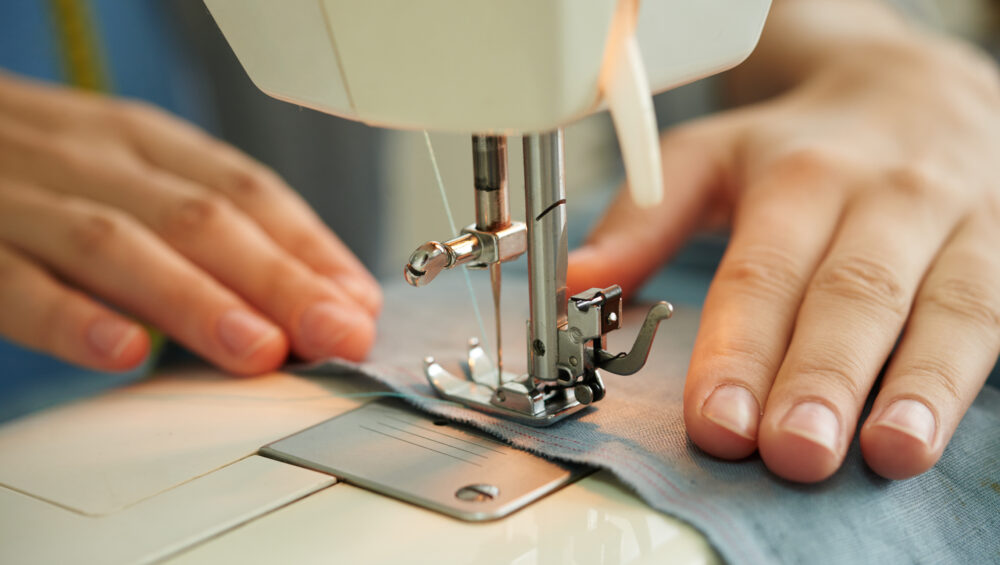
The fashion industry produces roughly 92 million tonnes of textile waste every year, and projections suggest that figure will climb to 134 million tonnes by 2030. Despite growing awareness of this problem, most people still default to the same habit when a garment stops fitting or shows wear: they throw it out and buy something new. Sustainable fashion challenges that reflex, and clothing alterations are one of the most practical, immediately available ways to act on it. Before you bag up those jeans or donate a dress that almost fits, here is exactly why taking them to a professional alteration service is the smarter, greener choice.
Table of Contents
- Quick Takeaways
- The Real Cost of Throwing Clothes Away
- How Alterations Support Sustainable Fashion
- Repair, Don’t Replace: The Science Behind Extending Garment Life
- What Can Actually Be Altered: More Than You Think
- Alteration vs. Buying New vs. Fast Fashion: A Direct Comparison
- Clothing Alterations Sustainability in Practice
- Frequently Asked Questions
- References
Quick Takeaways
| Key Insight | Explanation |
|---|---|
| Extending garment life by nine months cuts its carbon, water, and waste footprints by 20-30% | Research by WRAP (Waste and Resources Action Programme) found that even a modest extension of active use creates a substantial reduction in environmental impact per garment. |
| The fashion industry is responsible for roughly 10% of global carbon emissions | That is more than international aviation and maritime shipping combined, making every decision to keep a garment in use meaningfully impactful. |
| 92 million tonnes of textile waste are generated each year globally | A rubbish truck full of clothes is effectively discarded every second. Alterations directly counter this throughput by keeping clothes in active wardrobes. |
| A professional alteration costs a fraction of buying new | A hem, a taken-in waist, or a replaced zip can restore a garment completely for a small investment, with transparent pricing starting as low as $14.89. |
| Over half of U.S. shoppers say they would repair a damaged garment rather than replace it | The intent is there. The barrier is usually not knowing where to go or whether it is worth the effort. A reliable alteration service removes both barriers. |
| Altering existing formalwear, bridal, or uniform pieces avoids the full production footprint of a new garment | New garment production consumes water, dyes, synthetic fibres, and shipping emissions. Resizing an existing piece produces none of that. |
| Clothing alterations sustainability is not niche: it is the most accessible circular-fashion action available | Unlike composting textiles or buying certified organic fibres, alterations require no lifestyle change, no sourcing knowledge, and no extra time beyond dropping off a garment. |
The Real Cost of Throwing Clothes Away
When a shirt goes into a donation bin or a trash bag, most people feel they have done the responsible thing. The reality is more complicated. Textile waste is one of the least-discussed environmental crises, partly because it happens quietly, garment by garment, in millions of households simultaneously.
The fashion industry accounts for an estimated 8-10% of global carbon production and roughly 20% of all industrial water pollution. Making a single pair of jeans consumes thousands of litres of water and generates significant greenhouse gas emissions before the product even reaches a store. When that pair of jeans is discarded after only a few wears because it stopped fitting well, every one of those embedded resources is wasted along with it.
The average number of times a garment is worn before being discarded has fallen sharply over the past two decades, a direct result of fast fashion conditioning consumers to treat clothes as disposable. The consequence is a mountain of waste that recycling infrastructure simply cannot absorb. Less than 12% of materials used in clothing are currently recycled into new garments. Everything else ends up burned, buried, or exported to landfills in lower-income countries.
Pro tip: Before you decide a garment is finished, ask one specific question: does it still have good fabric and construction? If the answer is yes, the garment almost certainly has more life in it. The only thing standing between it and your wardrobe is fit or a minor repair.
How Alterations Support Sustainable Fashion
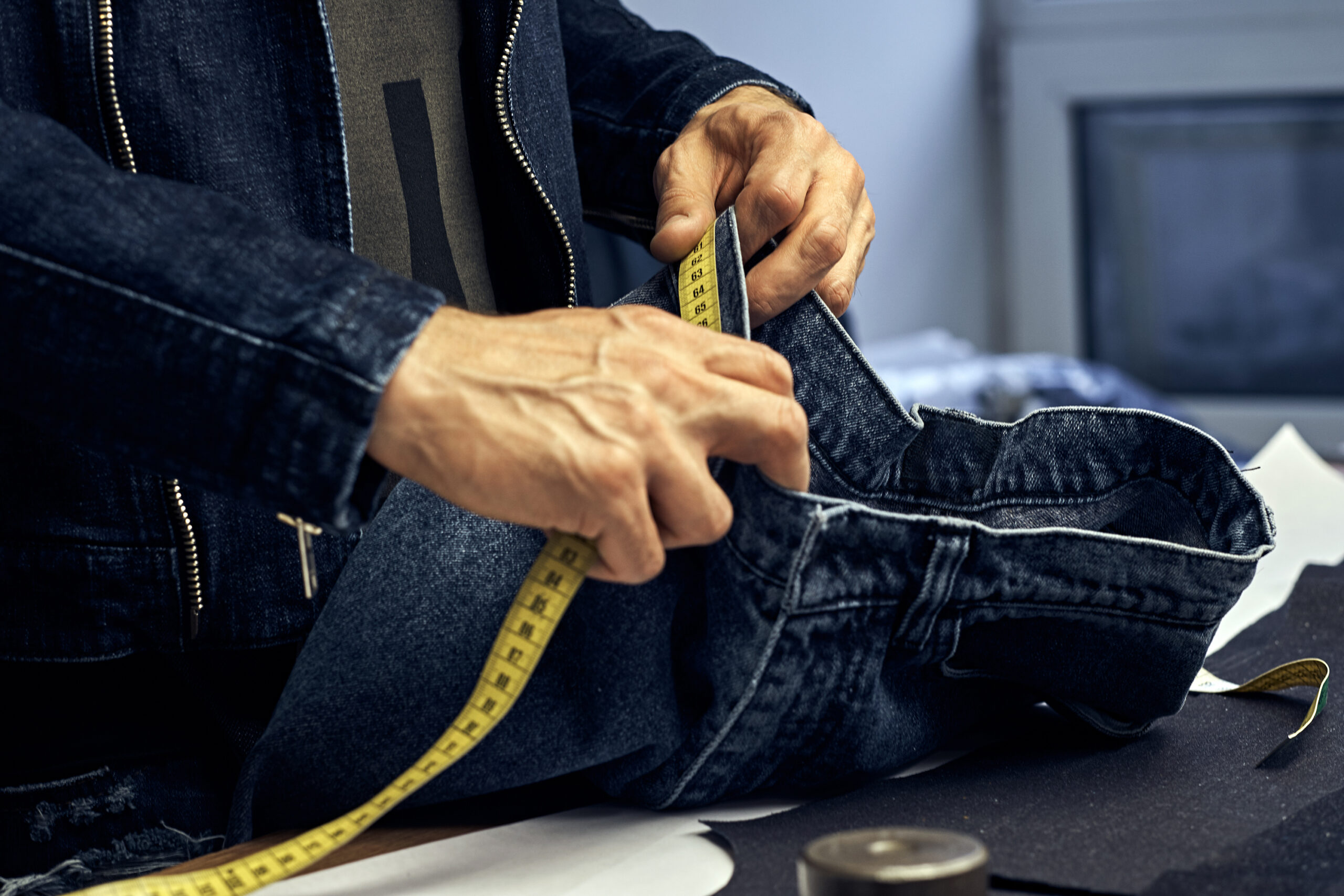
Sustainable fashion is often framed as a shopping problem: buy organic, buy ethical, buy less. That framing is incomplete. The most impactful action is not what you buy next. It is how long you keep what you already own. Alterations are the practical mechanism for keeping clothes in active use when fit, wear, or style changes would otherwise push them out of a wardrobe.
Consider the lifecycle of a well-made blazer. Over five years of wear, its shoulders may remain perfect while the body becomes slightly loose after weight loss, or the lining starts to fray. Neither issue signals end of life for the garment. A competent alteration service can take in the body and replace the lining in a single visit, returning the blazer to fully wearable condition without producing a single new garment.
This is what clothing alterations sustainability looks like in practice. It is not a philosophy. It is a concrete decision to keep a specific object out of the waste stream for another several years of use. Multiply that decision across a wardrobe and the environmental benefit compounds quickly.
The Circular Wardrobe, in Plain Terms
The concept of a circular economy in fashion asks one straightforward question: can the value in this material be kept in use rather than lost as waste? Alterations are the most direct answer to that question available to an individual consumer. No infrastructure required. No certified programme to sign up for. Just a decision to fix something rather than replace it.
Professional alteration services handle this directly, from hemming a pair of trousers purchased slightly too long, to resizing a vintage coat found at a second-hand shop, to adjusting a bridesmaid dress that was made for a different body than the one wearing it on the day. Every one of those jobs keeps a garment in active use and out of the waste stream.
Lengthening the life of clothing from one year to two years decreases its carbon footprint by approximately 24%, making alteration one of the single highest-impact actions available to the average consumer.
Repair, Don’t Replace: The Science Behind Extending Garment Life
The “repair, don’t replace” principle is backed by solid research. WRAP, the Waste and Resources Action Programme, has produced some of the most cited findings on garment lifespan and environmental footprint. Their research found that extending the active use of a garment by just nine months reduces its carbon footprint by roughly 27%, its water footprint by 33%, and its waste footprint by 22%.
Nine months is not a dramatic extension. It is the difference between discarding something in year two of its life versus year three. For a well-made garment, that extension is trivially easy to achieve with a single alteration visit.
What the Numbers Actually Mean
A 27% carbon reduction per garment sounds abstract until you consider scale. The average Canadian household buys dozens of new items of clothing per year. If alterations or repairs extend the life of even a fraction of those pieces, the household-level carbon savings become significant. Scale that to a neighbourhood, a city, a country, and the aggregate impact of “repair, don’t replace” as a cultural norm is substantial.
The financial case is equally straightforward. A professional hem costs a fraction of a new pair of trousers. A zip replacement costs a fraction of a new jacket. In a period of sustained cost-of-living pressure, clothing alterations sustainability and personal financial sustainability point in exactly the same direction: keep what you have, fix what needs fixing, buy less.
Pro tip: Do not wait until a garment is critically damaged before taking it in for alteration. Small fixes, like reinforcing a stressed seam or tightening a waistband, cost less and take less time than emergency repairs after a seam has fully split or a fabric has torn.
What Can Actually Be Altered: More Than You Think
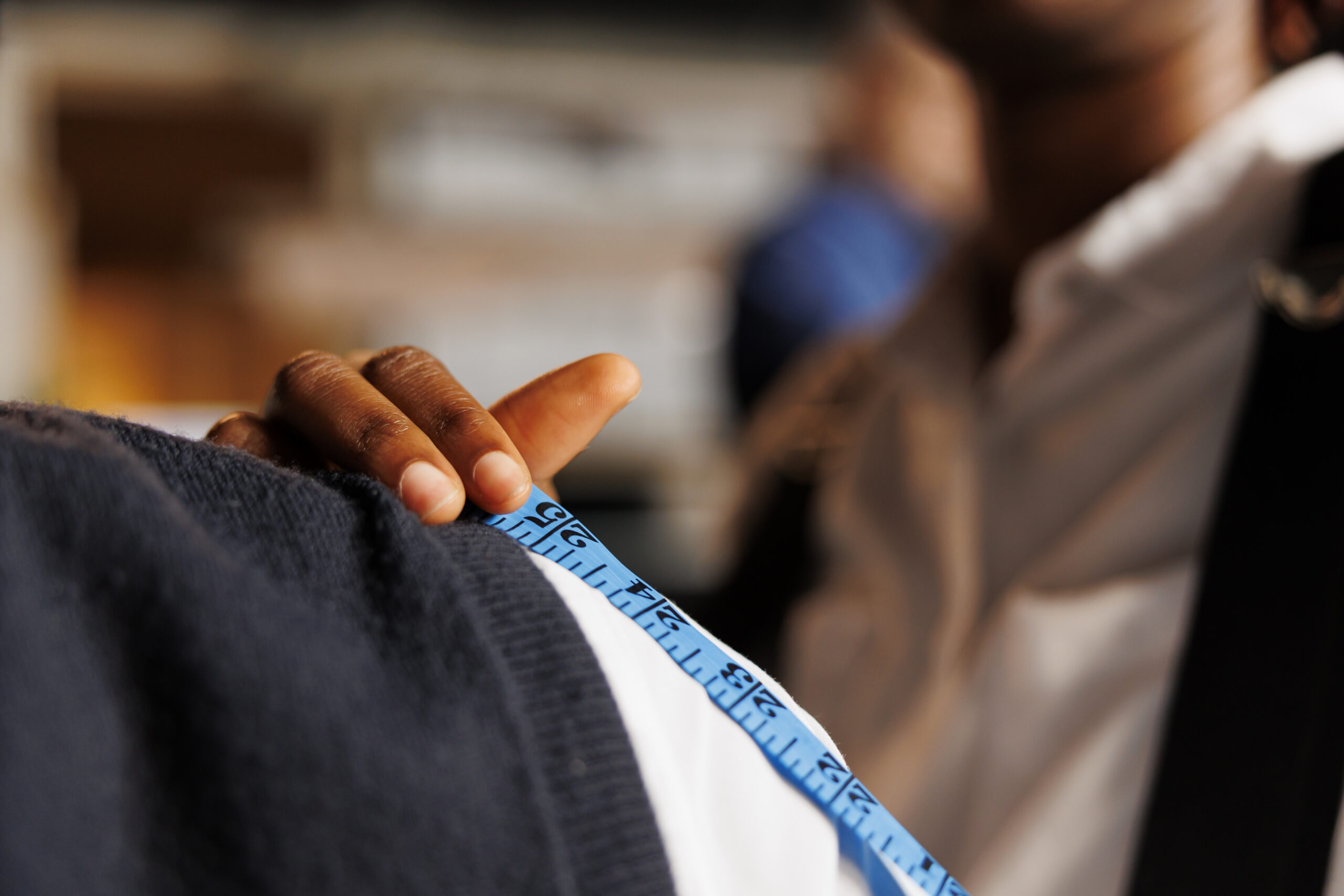
A common mistake people make is assuming alteration means hemming trousers or taking in a waist. In practice, a professional alteration service can address a remarkably wide range of garment problems, many of which send people straight to a shop for a replacement instead.
Everyday Garments
Jeans can be slimmed in the leg, shortened, or have the waistband let out. Shirts can be taken in at the sides or have collars and cuffs replaced when they fray. Jackets can be relined, shortened, or restructured at the shoulder. Dress trousers can be hemmed to a precise break, taken in through the seat, or adjusted at the waistband. These are bread-and-butter alterations that take experienced tailors a short time but transform the wearability of a garment completely.
Formalwear and Bridal
Formalwear and bridal alterations represent some of the highest-value cases for choosing alteration over replacement. A suit bought years ago for a specific occasion may still have excellent construction and fabric. Adjusting it to current fit is far less expensive than buying a new one, and the quality of an older well-made suit often exceeds what is available at a comparable price point today. The same logic applies to bridal alterations: a dress found at a sample sale or inherited from a family member can be completely remade to fit a specific body with skilled alteration work.
Uniforms and Workwear
Uniform alterations are often overlooked as a sustainability measure, but they matter. A company that alters existing uniform stock rather than ordering new pieces every time an employee changes size or role is making a direct reduction in the demand for new garment production. Professional uniform alteration services handle this efficiently, often with fast turnaround to minimise disruption to operations.
Alteration vs. Buying New vs. Fast Fashion: A Direct Comparison
| Approach | Environmental Impact | Cost and Value |
|---|---|---|
| Professional alteration | Near-zero new production footprint. Keeps existing garment in active use, reducing waste and carbon per wear significantly. Directly supports circular fashion goals. | Low cost relative to replacement. Transparent pricing (e.g. hems from $14.89). Extends the per-wear cost of a garment already purchased. |
| Buying new (quality garment) | Full production footprint: water, dyes, fibres, manufacturing energy, and shipping. Can be offset by long use, but only if the garment actually fits and gets worn consistently. | Higher upfront cost. Justified when an existing garment is genuinely beyond repair or when a specific function requires a new piece not already owned. |
| Fast fashion replacement | Highest environmental cost per use. Short garment lifespan means the full production footprint is divided over fewer wears, inflating the per-wear carbon cost dramatically. | Low purchase price but high total cost when replacement frequency is factored in. Actively increases textile waste volume rather than reducing it. |
The comparison is not close. For a garment with good bones that simply no longer fits, professional alteration dominates on every measure: lower cost, lower environmental impact, and better outcome for the specific garment you already own and chose.
Clothing Alterations Sustainability in Practice
Theory is useful. Habit change is what actually moves the needle. Here is how to make clothing alterations a genuine part of a more sustainable wardrobe, not just an occasional emergency fix.
Build a Relationship with a Reliable Alteration Service
The single biggest predictor of whether someone uses alteration services regularly is whether they trust the service they use. Inconsistent results, unclear pricing, or missed deadlines make people reluctant to bring in their better pieces. A professional service with upfront pricing, a clear guarantee, and a track record of quality removes that hesitation. Stitch It backs every alteration with a 30-Day Fit Guarantee, which means if the fit is not right, it is fixed at no extra cost. That kind of policy makes it rational to bring in pieces you care about, not just ones you are indifferent to.
Bring in New Purchases Before Wearing Them
Off-the-rack clothes are made to standard sizing that fits no one perfectly. Bringing a new garment in for alterations before its first wear, rather than after months of reluctant use, is how people build wardrobes that actually work. It also prevents the “I never wear it because it never felt right” problem that quietly fills donation bags.
Treat Repair and Dry Cleaning as Part of Garment Maintenance
Professional dry cleaning is part of extending garment life too. Improper home laundering is one of the most common causes of premature garment failure, whether through shrinkage, fibre damage, or colour loss. Dry cleaning services paired with alteration work form a complete garment maintenance approach that keeps quality pieces looking and fitting well for years longer than home care alone.
Same-day and rush services at professional alteration shops also remove the procrastination barrier. Knowing a repair can be turned around quickly means there is no reason to let a garment sit unworn for weeks because a minor fix is needed.
Frequently Asked Questions
Is clothing alteration actually better for the environment than buying secondhand?
Both are good choices, and they are not mutually exclusive. Altering something you already own avoids any new production footprint entirely. Buying secondhand also avoids new production, but it still requires the secondhand garment to fit, which often means it needs alteration anyway. In practice, the most sustainable wardrobe combines both: keep what fits, alter what almost fits, and buy secondhand when something genuinely needs replacing.
What types of garments can a professional alteration service typically work on?
A full-service alteration shop can handle everyday clothing like jeans, shirts, and jackets, as well as formalwear, suits, bridal gowns, bridesmaid dresses, and uniform pieces. The range is much wider than most people assume. If you are uncertain whether something can be altered, bringing it in for an assessment is almost always worth the trip.
How does the “repair, don’t replace” approach save money over time?
Every alteration or repair extends the usable life of a garment you already paid for, spreading that original cost across more wears. Meanwhile, every replacement purchase is a new cost. Over a wardrobe of dozens of pieces, prioritising repair consistently over replacement creates meaningful cumulative savings, particularly on higher-value items like suits, coats, and formal wear.
Does altering a garment reduce its quality or resale value?
Professional alterations done by skilled tailors do not reduce garment quality. In most cases, a well-fitted garment that has been professionally altered looks better and wears better than an ill-fitting original. For higher-value pieces, a good alteration that improves fit and appearance can maintain or even increase resale value compared to an unworn garment that hangs awkwardly.
What is a 30-Day Fit Guarantee and why does it matter for sustainable fashion?
A 30-Day Fit Guarantee means that if an alteration does not deliver the right fit, the service will correct it at no additional charge. This matters for sustainable fashion because it eliminates the risk of bringing in a valued garment and being left with a poor outcome. It makes the decision to alter rather than replace genuinely low-risk, which is the most direct way to encourage more people to choose repair over discard.
Can dry cleaning extend the life of a garment the same way alterations do?
Dry cleaning and alteration serve different but complementary roles. Dry cleaning preserves fabric quality, structure, and colour by using methods suited to delicate or specific materials, preventing the damage that can come from incorrect home laundering. Alterations address fit and structural issues. Together, they form the most complete approach to extending a garment’s active use and keeping it out of the waste stream.
Share your experience: have you been surprised by how much life a professional alteration gave back to a garment you had nearly discarded? We would love to hear what piece you saved and what was done to it.
References
- WRAP research on extending clothing lifespan and reducing carbon, water, and waste footprints
- Fast fashion waste statistics: carbon emissions, textile landfill volumes, and industry impact
- How repairing clothing transforms the fashion industry’s approach to sustainability
- How clothing repair and alteration support sustainability goals
- How fast fashion affects the environment: frequency of use, waste, and carbon production