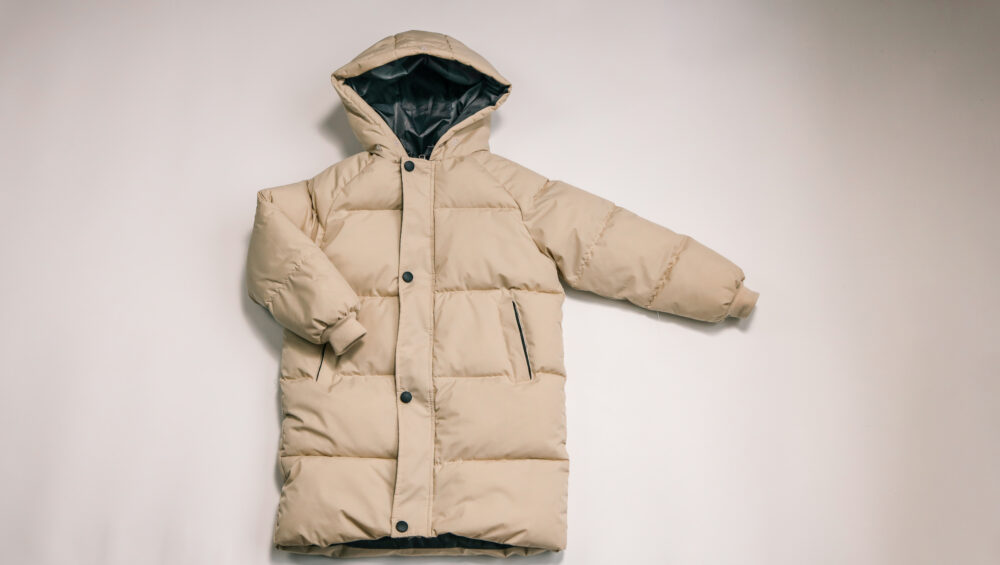
If your winter coat sleeves cover your knuckles or the hem drags past your knees, you already know the problem. Coat alterations in Canada are one of the most useful tailoring jobs to book this fall, because the first real cold snap is when everyone else shows up at the same counter. The coats that cause the most frustration are rarely the cheapest ones. They are the good parkas and wool overcoats bought in a hurry, then worn for a week before the fit was questioned. This guide covers what is worth altering, what is not, and how to book before the rush.
Table of Contents
- Quick Takeaways
- Why Timing Matters Before Canadian Winter
- Coat Sleeve Alteration: The Fix Most People Need
- Waist and Body Fit on Winter Coats
- Jacket Hemming and Length Decisions
- Shoulders and the Fit Problems You Cannot Fix
- Lining, Insulation, and Cleaning First
- Comparing Common Alteration Options
- Common Mistakes and a Booking Timeline
Mistakes That Cost Money
Bringing in a coat that is still wet or salty is one of the most common errors. Another is asking for changes that remove warmth, such as cutting into a quilted panel or removing a hood to tidy the neck.
The third mistake is skipping the trial period. Ask about the 30-Day Fit Guarantee before you pay, then wear the coat through a few cold days to check the fit under real conditions.A Booking Timeline That Works
If your winter coats need sleeves or hems, book now. Drop them off within the next few weeks so there is time for a fitting, a second look, and any adjustment, rather than waiting for the first snow.
Pro tip: Bring the coat on a day you can wear it home. If the fit feels different once you are in it outdoors, you can flag it while the fitting is still fresh.Frequently Asked Questions
- References
Quick Takeaways
| Key Insight | Explanation |
|---|---|
| Book sleeves and hems before the first hard freeze | Demand climbs once temperatures drop, and rush work leaves less room for a second fitting if something needs adjusting. |
| Sleeve length is the most common fix | Shortening sleeves on a standard coat is routine, but the cuff and lining need to be checked so the finish looks original. |
| Fit the coat over your real winter layers | A coat that closes over a thin shirt can pull across the back once you add a knit or fleece. |
| Waist taking works on structured coats only | Belted wool coats and tailored jackets respond well, while straight-cut, heavily insulated parkas have little room to move. |
| Shoulders are the fit problem you rarely can fix | Shoulder seams are set into the armhole and structure of the coat, so moving them usually means rebuilding parts of the garment. |
| Clean the coat before any cutting | Salt, body oils, and grime become more visible once a hem or sleeve has been moved, and clean fabric lets the tailor match colour accurately. |
| Test the fit in cold conditions | Wear the coat for several cold days after pickup, and ask about the 30-Day Fit Guarantee before you pay so any issue can be raised early. |
Why Timing Matters Before Canadian Winter
The first week of truly cold weather is when most people remember they own a winter coat that does not fit. Shops get busy quickly, and a sleeve or hem job that takes a few days in October can stretch into weeks by late November. Booking early means your coat is ready when you need it most.
Book Before the First Hard Freeze
In practice, the pattern repeats every autumn. A customer tries a coat on in September, decides the sleeves are fine, then wears it through the first snowfall and notices the cuffs sliding over the knuckles. The fix is the same either way, but the earlier the alteration starts, the more choice you have on turnaround.
Waiting also limits your options for the coat itself. If a lining needs matching or a cuff needs rebuilding, that work takes more time than a simple hem, and it is much easier to schedule when the calendar is not full.
Coats You Wear Under Layers
Winter fit depends on what goes underneath. A coat that closes comfortably over a thin shirt may pull across the back once you add a fleece or a chunky knit. Bring the layers you actually plan to wear to your fitting, or at least a sweater of similar thickness.
Pro tip: Before you drop off a coat, put it on over your usual winter layers and reach forward as though you are scraping a windshield. If the back pulls or the sleeves ride up, say so at the counter so the fitting accounts for it.
Coat Sleeve Alteration: The Fix Most People Need
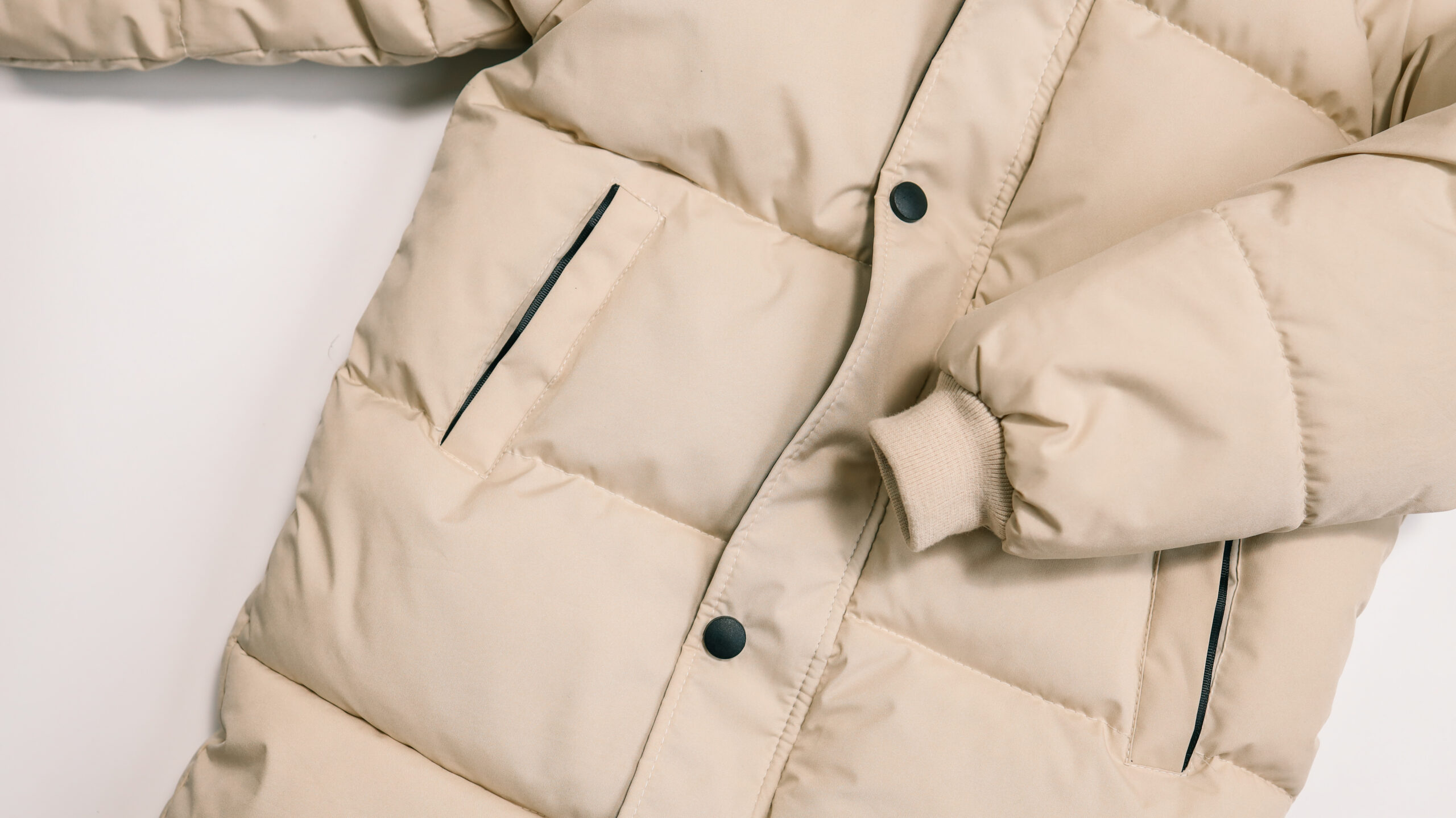
Sleeves are the most common complaint about winter outerwear, and they are also the most straightforward correction. Shortening a sleeve involves moving the cuff, adjusting the lining, and finishing the end so it looks like it was made that way.
How Much to Take Off
Check the sleeve with your arm bent slightly at the elbow, the position you hold while typing or carrying a coffee. The cuff should sit at the wrist bone, and when the arm hangs down you should see a small amount of shirt or sweater cuff. Taking off too much changes the proportions of the shoulder and chest, so ask for a fitting rather than guessing from a measurement.
Preserving Cuff Detail and Lining
Many winter coats have a ribbed knit cuff, a zip-through cuff, or a lining that ends just above the wrist. Those details are where a good alteration shows. Ask whether the cuff can be reworked rather than replaced, and whether the lining can be shortened cleanly so it does not bunch when you put the coat on.
A common mistake is accepting a sleeve shortened so far that the lining peeks out at the wrist. Check the result with the arm held straight out and again with the elbow bent, because lining problems often appear only in one position.
Waist and Body Fit on Winter Coats
A coat that gapes at the middle or billows at the waist makes you look larger than you are, and it lets cold air in. Waist taking can bring a coat in without changing its overall length, but only certain styles can handle it.
Which Coats Respond to Waist Taking
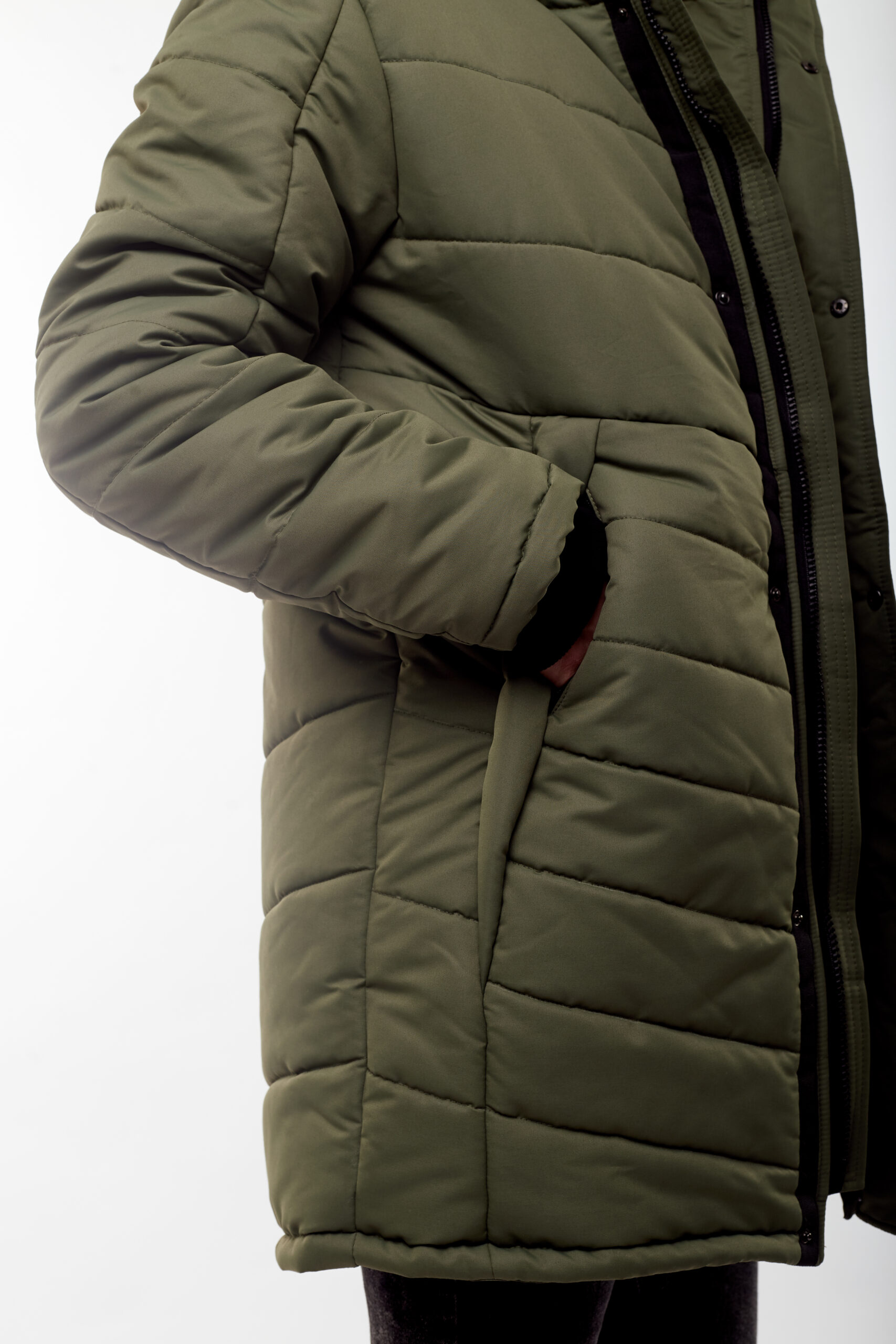
Tailored wool overcoats, belted coats, and fitted quilted jackets usually have enough seam allowance and structure to be reshaped. Straight-cut parkas with heavy insulation are different. The fill sits in channels, and pulling in the side seams can leave visible puckers or thin spots.
Quilted jackets are often the hardest call. If the stitching runs through the outer shell, removing material from the side seam can change how the insulation sits. Ask to see how the seam will look before you commit to the change.
Fitting Over Your Real Winter Layers
A coat that fits in the fitting room under a thin shirt can feel tight by January, so the fit should be judged over the layers you will actually wear.
Pro tip: Ask the tailor to pin the side seams while you wear your heaviest sweater. Then walk, sit down, and lift your arms before the pins come out. A waist that looks right standing still can bind when you sit in a car.
Jacket Hemming and Length Decisions
Hemming a jacket is less about length than about proportion. A parka that ends mid-thigh works differently from a long wool coat that should sit just above the knee, and each needs its own approach.
Our hem pricing starts at $14.89, but heavier coats with thick fabric or special finishing can need more time and materials. Confirm the final price at drop-off so there are no surprises when you pick up.
Parkas and Long Coats
Long coats and car coats shorten well when the original hem has room to move. A hem with generous excess can often be raised, but if the coat has a vent, a split, or a patterned lining, the hem may need a different method to keep the finish clean.
Keeping Hems Clean in Salt Season
Road salt and slush are hard on the bottom few inches of a coat. A dark hem can carry salt marks, and a hem that has been wet and dried repeatedly can look tired. Shorten a coat before the heaviest salt season, and do not leave a salt-stained hem sitting before you bring it in.
Shoulders and the Fit Problems You Cannot Fix
Shoulders hold the structure of a coat, and they are the hardest part to change. The seam sits where the sleeve is set into the body, and moving it usually means taking the coat apart and rebuilding sections of it. Good tailors will tell you when shoulder work is not worth attempting.
Why Shoulders Are Hard to Change
Taking in a shoulder seam on a structured coat can distort the armhole and chest, and the sleeve may stop hanging correctly. On padded or quilted styles, the shoulder is often built with stitching that is difficult to remove without showing. If the shoulder is too wide, the honest answer may be a different size.
Signs a Coat Is Too Big Everywhere
If the coat gapes at the chest, the shoulders drop past your natural line, and the sleeves stay long even after you push them up, the problem starts at the cut. Sleeve and waist work can improve the look, but it cannot turn a coat built for a different body into one that fits. In that case, a properly fitted coat is usually the better use of your money.
Lining, Insulation, and Cleaning First
Clean the coat before anything is cut. Body oils, road salt, and everyday grime can set into fabric, and once a hem or sleeve has been moved, those marks sit in a new place where they are easier to see.
Clean Before You Alter
Cleaning before alteration lets the tailor see the true colour and texture of the fabric, which matters for matching thread, hems, and lining. It also means the coat is not going back into the closet still carrying a smell. If the lining is torn or faded, ask the cleaner what can be matched before the coat is cut.
Down and Insulated Fills Need Care
Down-filled and synthetic-filled coats need cleaning methods that protect the loft. Harsh handling can flatten insulation, and the coat may never recover the warmth you paid for. Tell the cleaner what the coat is filled with before drop-off, and ask whether they handle insulated outerwear.
Pro tip: Keep a photo of the coat’s inside care label and lining in your phone. If the tailor needs to match lining or check the fill, that photo saves a second trip to the counter.
Comparing Common Alteration Options
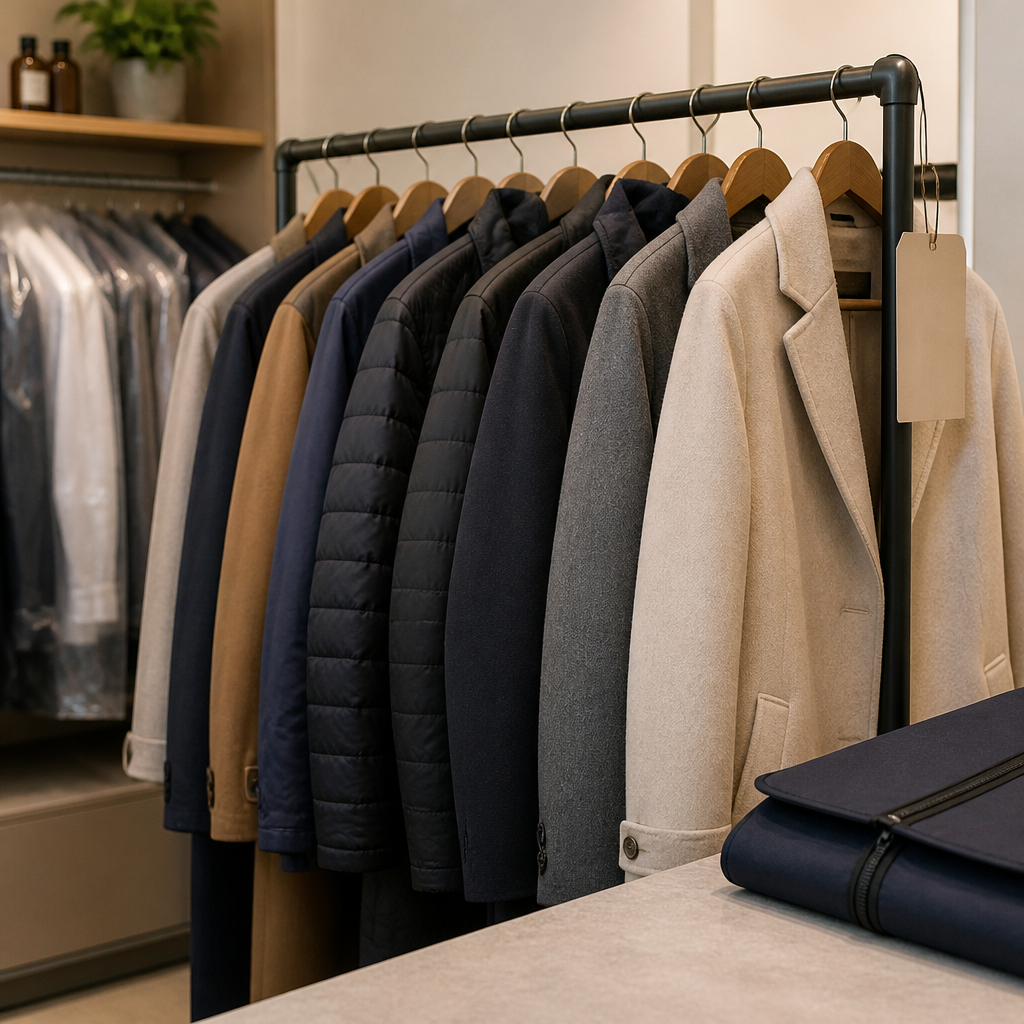
Most winter coat problems come down to three fixes: sleeves, waist, and hem. Each one has a different cost, timeline, and limit, so it helps to know which fix solves your problem before you walk in.
Three Fixes Compared
| Alteration | Best Suited For | Main Risk |
|---|---|---|
| Sleeve shortening | Most zip-front and button-front coats with a standard cuff | Cuff detail or lining can show if the finish is not matched carefully |
| Waist taking | Belted coats and tailored wool or quilted jackets with a defined waist seam | Straight-cut parkas have little room, and taking in too much can pinch the fill |
| Hem shortening | Long wool and car coats where the original hem has enough excess | Heavy insulation or a stiff hem can make the new line look uneven |
Which Fix to Ask For First
In practice, sleeves come first for most people because they affect how the coat looks every time you move your arms. Hems come next, especially on long coats that have started to pick up salt marks. Waist work is worth doing only on coats with the right construction, so ask for an honest read before you book.
Common Mistakes and a Booking Timeline
Mistakes That Cost Money
Bringing in a coat that is still wet or salty is one of the most common errors. Another is asking for changes that remove warmth, such as cutting into a quilted panel or removing a hood to tidy the neck.
The third mistake is skipping the trial period. Ask about the 30-Day Fit Guarantee before you pay, then wear the coat through a few cold days to check the fit under real conditions.
A Booking Timeline That Works
If your winter coats need sleeves or hems, book now. Drop them off within the next few weeks so there is time for a fitting, a second look, and any adjustment, rather than waiting for the first snow.
Pro tip: Bring the coat on a day you can wear it home. If the fit feels different once you are in it outdoors, you can flag it while the fitting is still fresh.
Frequently Asked Questions
How much does it cost to shorten a winter coat sleeve in Canada?
Pricing depends on the coat and the work involved. Our hem pricing starts at $14.89, but sleeve work on a lined coat takes more time than a simple hem, so ask for the total at drop-off rather than estimating from a hem price.
Can every winter coat be taken in at the waist?
No. Straight-cut parkas with heavy insulation often have too little room in the side seams, and taking them in can leave puckers or thin spots. Belted coats and tailored wool overcoats are usually better candidates.
How early should I book coat alterations before winter?
Book as soon as you know a coat needs work, ideally before the first hard frost. Early bookings leave room for a fitting, adjustments, and any lining work that needs matching.
Is it worth altering a coat that is too big in the shoulders?
Usually not. Shoulder seams are built into the structure of the coat, and moving them often means rebuilding parts of the garment. A coat that fits well in the shoulders is the better long-term choice.
Should I clean my coat before or after alterations?
Before. Cleaning first lets the tailor see the true colour and texture of the fabric, and it stops salt or body oil from being sealed into a freshly altered hem or cuff.
Tell us in the comments or to our team which winter coat gave you the most trouble to fit, and what finally worked for you.
We would love your feedback and any insights you would share with others. What perspective would you add?